

Bristol Tobacco Factory Theatres Review: Macbeth
Summary
Rating: ★★★★★
Running Dates: 19th Feb - 28th March
Where to see it: Tobacco Factory Theatres
Duration: 2hrs & 20 minutes (including interval)
Photography by Craig Fuller
Review
“Fair is foul, and foul is fair;
Hover through the fog and filthy air.” - Macbeth
From the very first incantation, William Shakespeare’s Macbeth, makes its intentions clear: morality will be blurred, the air thick with dread, and nothing will be as it seems. This production embraces that promise wholeheartedly, plunging us into a world where ambition distorts truth and power corrodes the soul.
From the opening beat of the drum, there’s a sense that something ancient and dangerous has been summoned. The atmosphere is dense, ritualistic, almost pagan in texture. Smoke coils, shadows stretch, and the soundscape pulses like a warning from another realm.
Photography by Craig Fuller
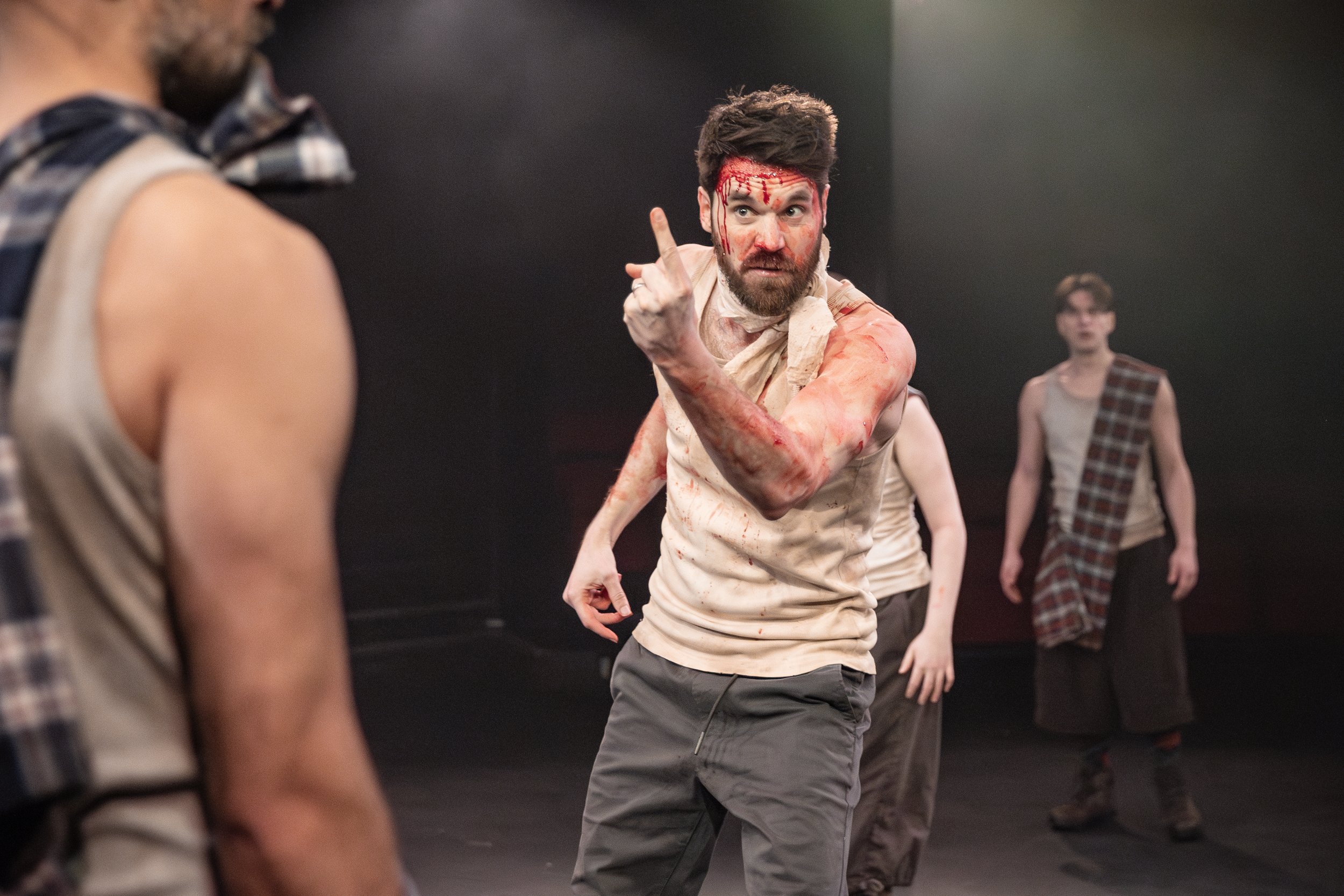
At the centre of it all, Stu McLoughlin delivers an outstanding performance as Macbeth. His portrayal captures the gradual corrosion of a man who begins as a loyal soldier and transforms into a tyrant haunted by his own choices. The shift is chilling, ambition flickers into obsession, confidence curdles into paranoia. McLoughlin’s descent feels painfully real, particularly in the quieter moments where guilt hangs heavy in the silence. It’s a performance that lingers.
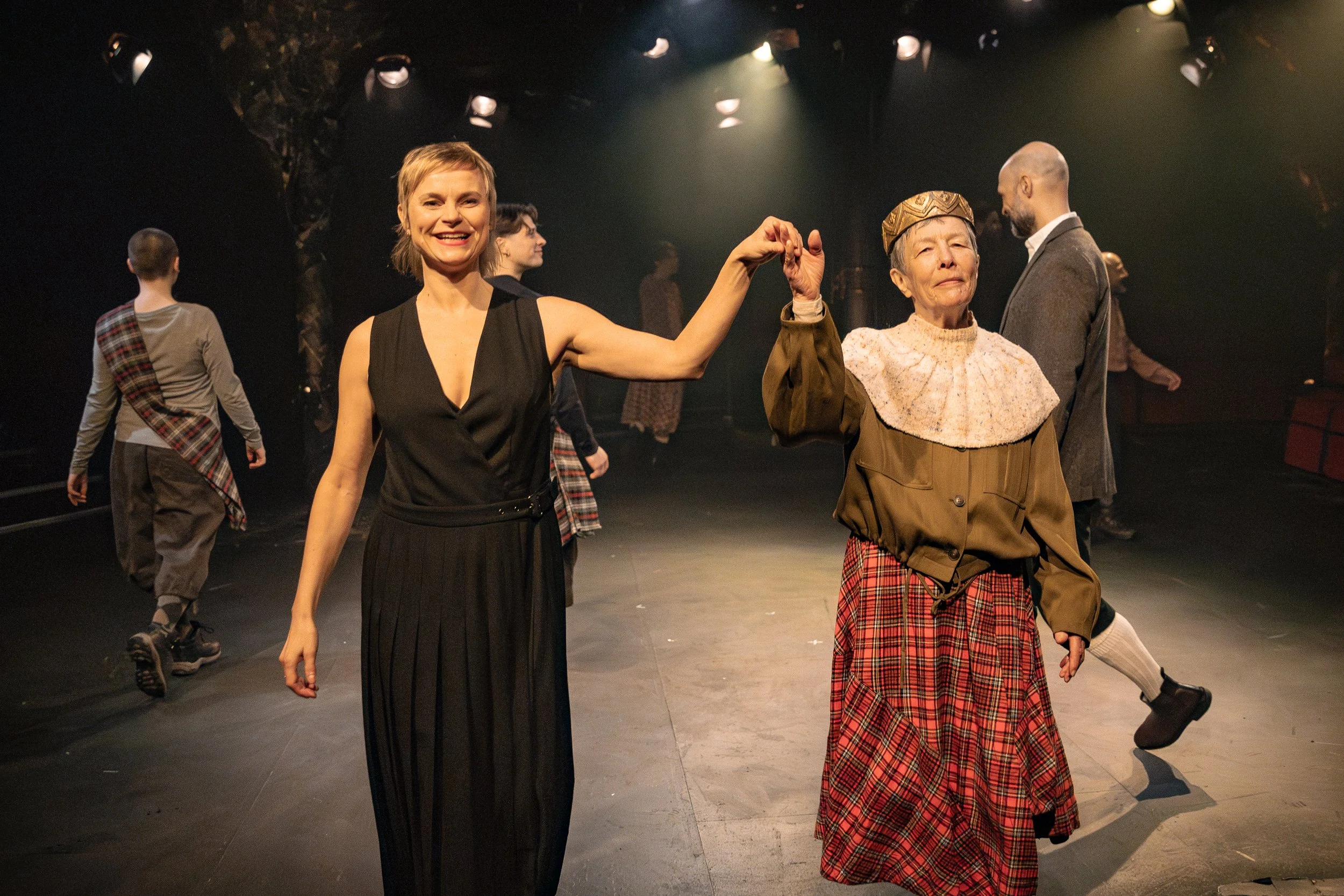
Under the direction of Heidi Vaughan, the ensemble work is particularly striking. Her signature collaborative approach is everywhere: in the tight physicality of the group scenes, in the way moments of silence are shared rather than owned, and in the emotional depth that pulses beneath even the most familiar lines. This isn’t a star vehicle, it’s a collective descent into darkness.
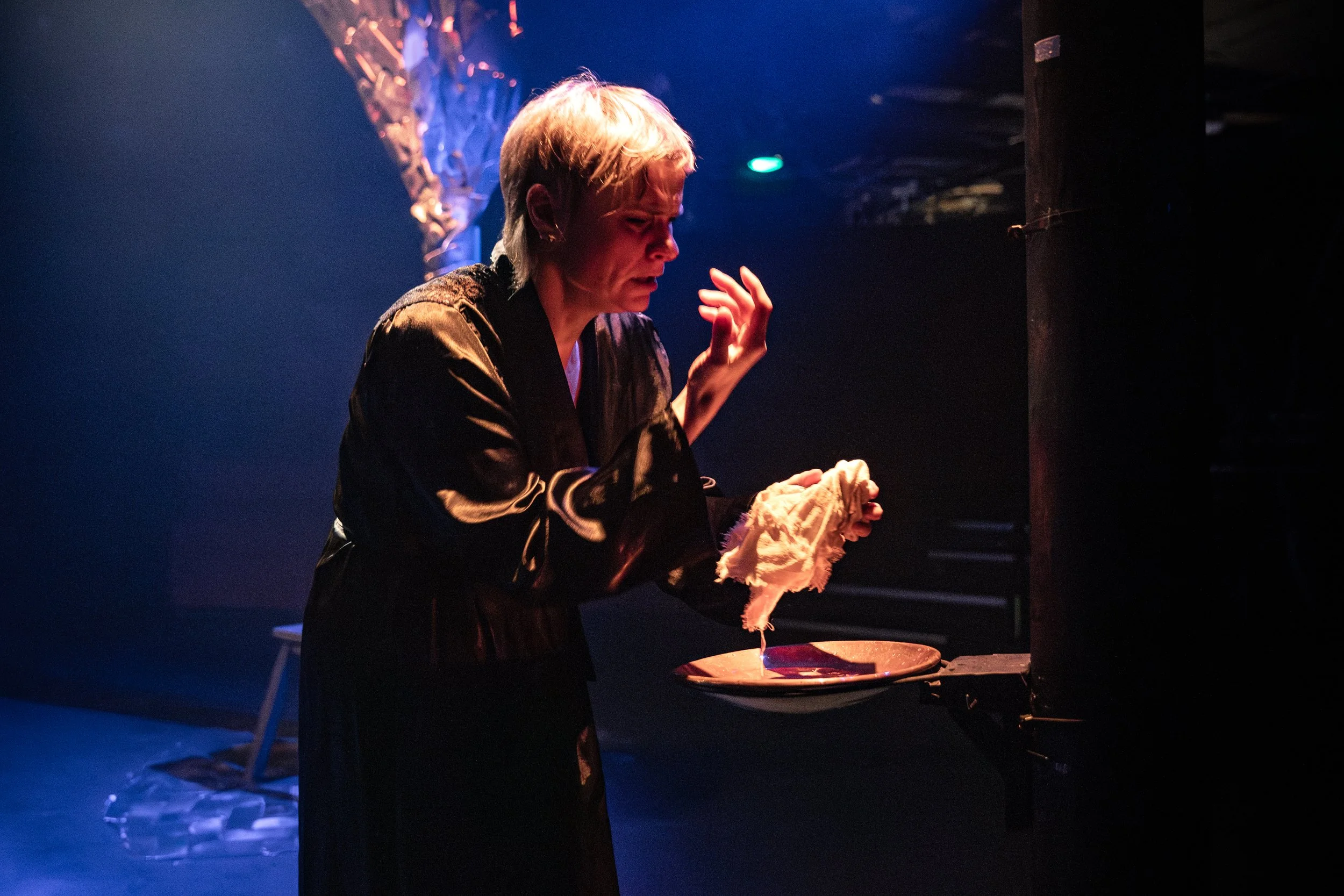
The set design and lighting deserve special praise. Stark yet atmospheric, the staging works hand in hand with the lighting to create a world steeped in shadow and foreboding. Pools of dim light isolate characters in their guilt; sudden stark shifts heighten the violence and tension. At times, the interplay between darkness and glare left me with genuine goosebumps. The design doesn’t just frame the actions, it breathes with it.
Lady Macbeth is rendered not as a one-note villain but as a complex force of will and vulnerability. The chemistry between her and Macbeth is electric with ambition replacing tenderness in real time. Once violence takes hold, it spreads like rot. Trust fractures. Guilt festers. There is a palpable sense that the moral fabric of their world has been torn beyond repair.
Photography by Craig Fuller
On a personal note, coming from a graphic design background, I absolutely loved the programme design by Emily Gee. The hand-painted crow featured within it is a striking visual motif, a core symbol that resonates deeply with the play’s themes of death, omen, and inevitability. It’s a thoughtful artistic extension of the production’s identity, proving that the storytelling doesn’t stop at the stage.
Yet even as the play descends into shadow, there are glimmers of resilience. Vaughan’s direction seeks humanity amidst the horror. The final moments, rather than leaving us hollow, feel bracing, a key reminder that tyranny born of individual ambition cannot sustain itself forever.
Set against political turmoil and supernatural dread, Macbeth feels startlingly urgent. Fierce, focused, and unapologetically unsettling, this is Shakespeare stripped back to its raw nerve, and it leaves a lasting mark.
Reviewed by Ella Hunter
Disclaimer: Tickets were gifted in exchange for an honest review.