

How Hobbies Shape Confidence in Young Learners
You’ve probably stepped on a piece of Lego recently. Or maybe you’ve found glitter in places where glitter really has no business being, like the inside of the fridge or stuck to the dog. It’s messy, it’s often noisy, and it can be a little bit expensive, but that chaotic creative energy is actually doing some heavy lifting regarding a child’s development.
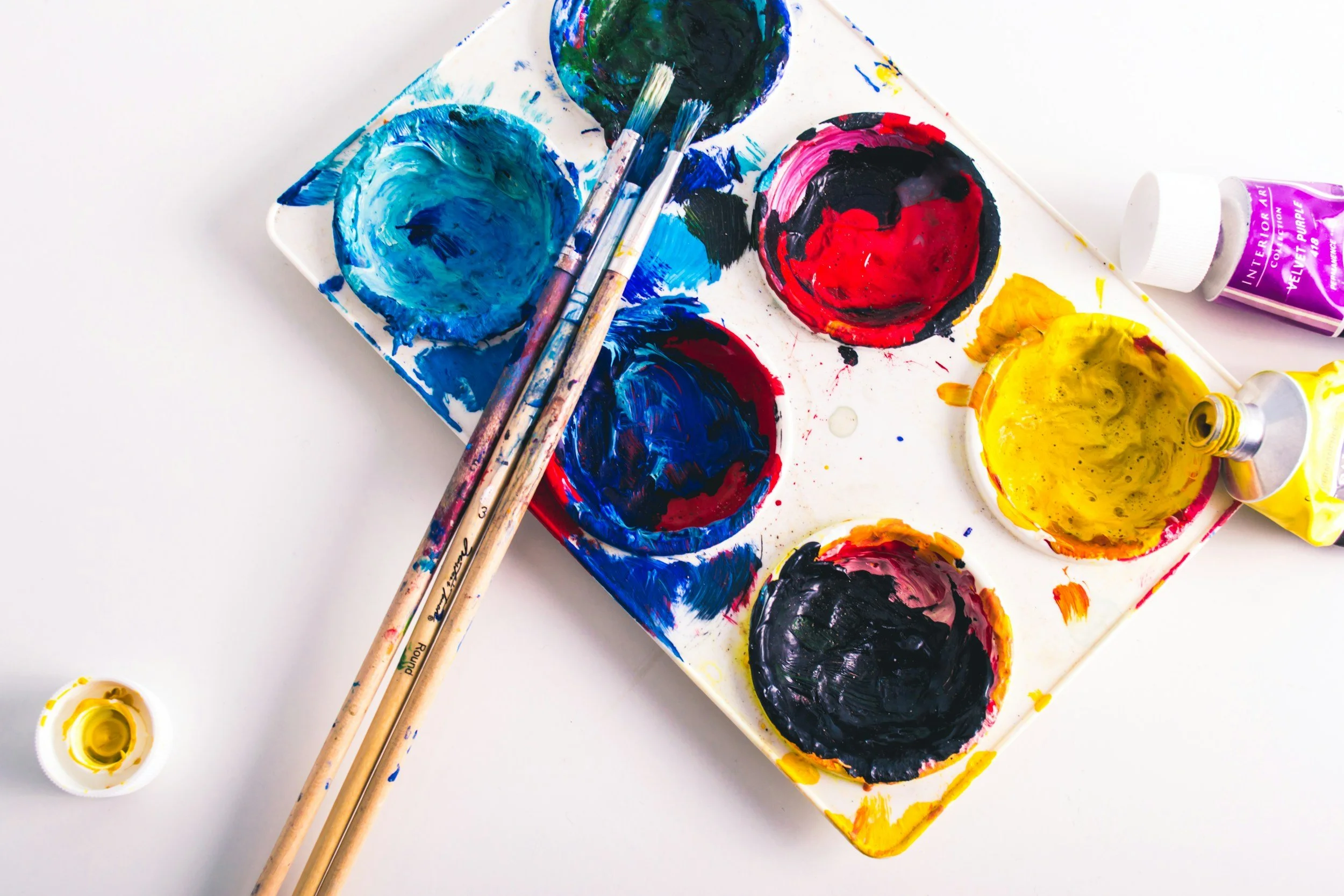
Image by Steve Johnson
The Quiet Wins
We often think of confidence as this big, booming trait, like being able to stand up on a stage and sing a solo without shaking. But for most young learners, confidence is built much more quietly. It happens when they finally figure out how to play that one chord on the ukulele, or when they manage to bake a cake that doesn’t sink in the middle.
For parents and carers, it can be tempting to steer children toward the "useful" stuff. You know, extra maths tuition or handwriting practice. And while those things have their place, there is a specific kind of resilience that comes from choosing a hobby simply because it’s fun. When a child picks up a sketchbook or a skateboard, they are making a choice about who they want to be. They are taking ownership of their time, which is a massive step for a little person.
A Safe Space to Stumble
Consider what happens when a child tries something new outside of the school environment:
They learn to fail safely. You can’t learn to roller skate without falling over a few times. Hobbies provide a low-stakes environment where messing up is just part of the process, not a disaster.
They find their tribe. Whether it’s a coding club or a local drama group, shared interests help children connect with peers they might not meet at school.
They see progress. In a classroom, progress can sometimes feel abstract. In a hobby, like karate or learning French, the steps forward are tangible.
Building an Identity
It’s interesting to note that this isn’t just about keeping them busy on a rainy Saturday. It is about identity. For children who might feel a bit lost (perhaps they are struggling academically, or they are going through a period of change at home) having a "thing" that is theirs and theirs alone can be an anchor. It tells them, "I am a person who can build model airplanes," or "I am a runner."
It’s not just about meeting basic needs; it’s about enrichment. A carer fostering a child with Fosterplus understands that giving a young person the tools to explore their identity, whether that’s a football kit, a musical instrument, or just the encouragement to join a library group, is vital for their sense of self-worth. It’s about seeing the potential in a young person and giving them the space to find out what makes them tick.
We are the Cheerleaders
In most cases, we just need to be the cheerleaders. It doesn’t matter if the painting looks like a muddy puddle or if the violin practice sounds like a cat in distress. The value isn’t in the result; it’s in the trying.
Praise the effort it takes to learn a new skill, not just the final outcome. By validating their chosen pastimes, however fleeting or unusual they may seem, you are telling them that their choices matter. You are teaching them that it is okay to be a beginner at something new and that pure joy is a valid reason to pursue a passion.
This is a partner article.