

Travelling with the Sony RX100 VII: Our MPB Camera Experience in Canada
For most of us, our phone has become our everyday camera. It is already in our hands, the photographs are easy to edit and everything can be uploaded to social media within seconds. But when we began planning the City Girl Guide to Canada, we knew we wanted the photography to feel different.
This was not a quick weekend away. We would be travelling for 8 days through Toronto, Ottawa, Outaouais and Montréal, capturing everything from busy food markets and city streets to rooftop views, lakes and woodlands.
The photographs also needed to work across a wider campaign, including travel articles and social media posts shared across our community.
We wanted images that would preserve the detail and atmosphere of the trip rather than simply document where we had been. That led us to one question: would taking a digital camera make a meaningful difference compared with relying entirely on our phones?
What we needed from a travel camera
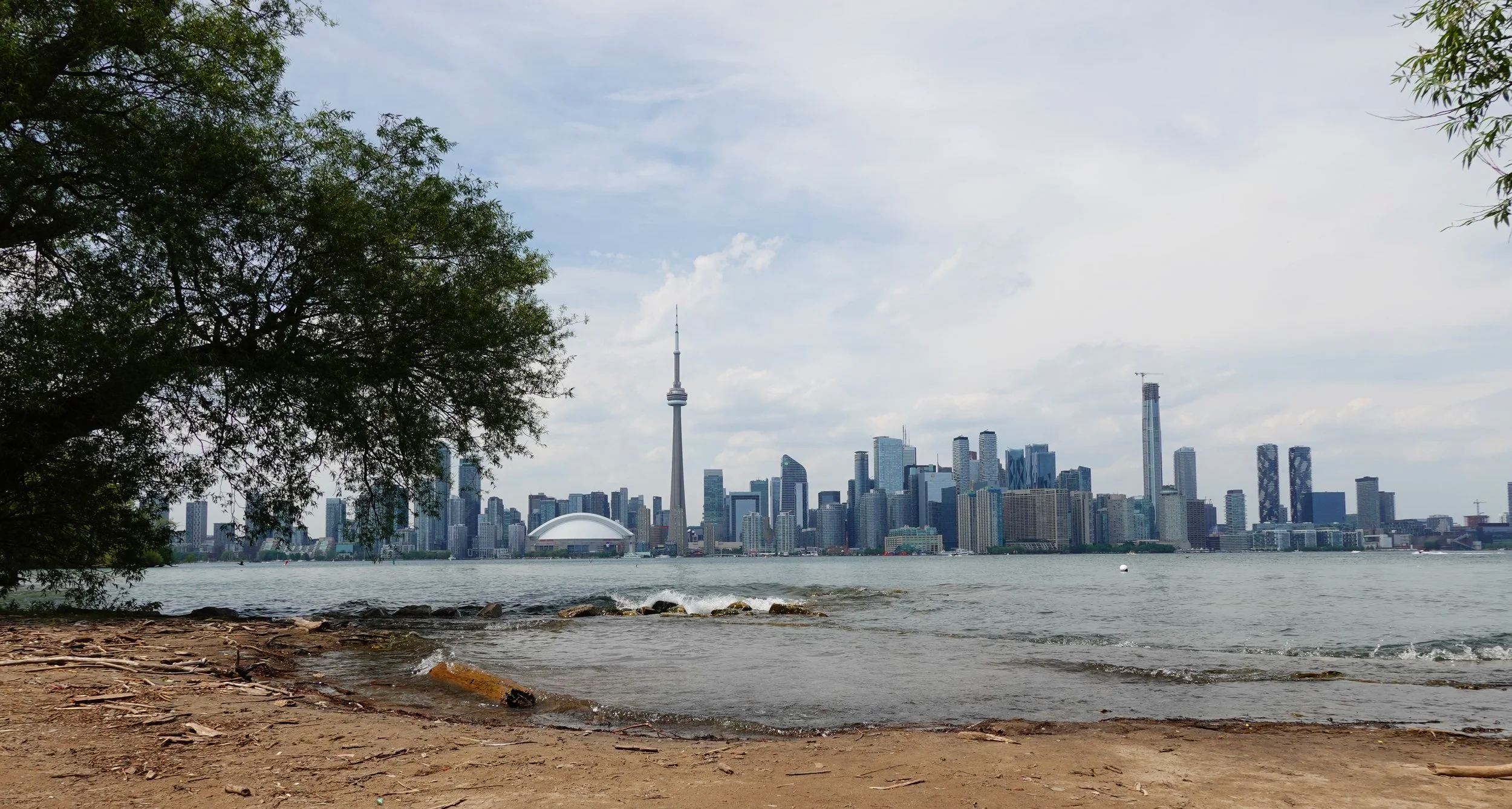
View of the Toronto Skyline from Toronto Island: Photography by Pippa Moyle, using a Sony RX100 VII from MPB
We were not looking for a complicated professional setup or a heavy camera bag filled with different lenses.
Our requirements were fairly simple. We wanted a camera that was:
light enough to carry throughout a busy multi-city itinerary
easy to use without advanced photography knowledge
capable of producing high-quality images for websites and social media
compact enough to take out quickly when something caught our attention
within a realistic mid-range budget for an enthusiastic amateur photographer
The camera also needed to suit the type of traveller we had in mind: someone who enjoys taking photographs and creating travel content in a simple, fun way.
We wanted to find out whether a compact camera could offer a noticeable step up from a smartphone without turning photography into another complicated job during the trip.
Why we chose MPB and the Sony RX100 VII
We knew we wanted to take a digital camera to Canada, but we were not looking for a complicated professional setup or a heavy camera bag filled with different lenses.
MPB has an incredibly strong reputation amongst our community and the wider creative industries for its sustainable, high-quality approach to visual storytelling. For someone investing in a camera for travel, buying used can make higher-spec equipment more accessible while still giving you plenty of choice across different brands, models and budgets.
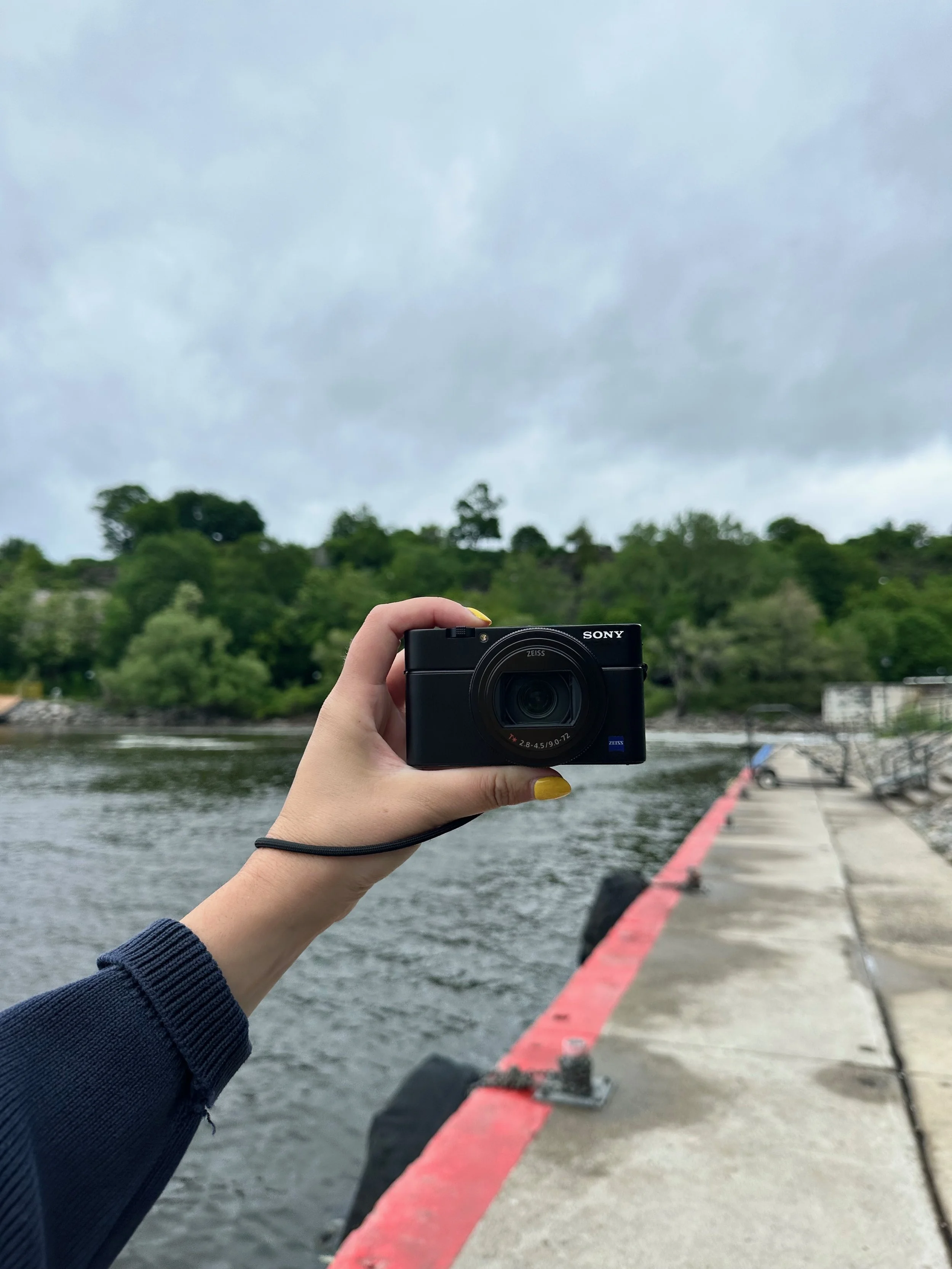
We contacted MPB through its live chat while researching our options and chose the Sony RX100 VII because it suited exactly what we needed. It was lightweight, easy to carry while travelling and capable of producing excellent images for both web and social content. Crucially, it offered the step up from a smartphone that we were looking for without feeling overly complicated to use.
A large interchangeable-lens camera might produce beautiful results, but it would not necessarily suit the reality of our trip. We were moving between cities by plane, train, taxi, public transport and on foot. Some days involved several activities, restaurant visits and neighbourhoods, so we needed something that could remain within easy reach rather than being left at the hotel because it felt too bulky.
The Sony RX100 VII gave us the compactness we wanted while still encouraging us to approach our photography more intentionally.
Why not simply use a phone camera?
Phone cameras are incredibly useful, and we still used ours throughout the trip.
They were ideal for quick Instagram Stories, informal videos, navigation and moments when immediately sharing something mattered more than producing the strongest possible photograph. But using a separate camera changed the way we captured the trip.
With a phone, it’s easy to take several quick photographs without properly looking at the scene. You take the picture, check your notifications and move on. Having a camera in our hands made photography feel like a more deliberate part of the experience.
We spent more time considering what we wanted to include in the frame, where the light was coming from and what would communicate the atmosphere of a place to someone who had never visited.
Capturing the variety of Canada
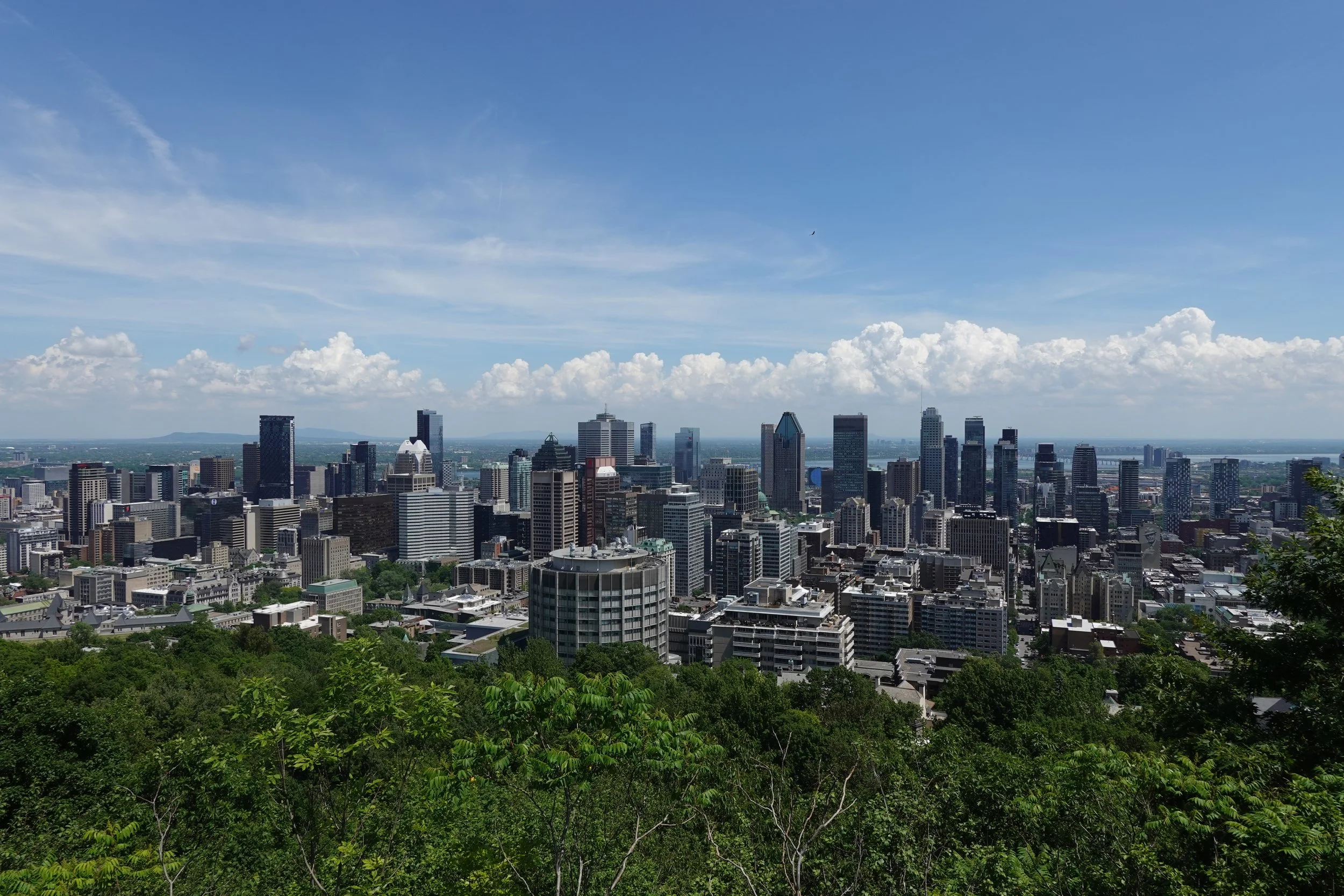
Photography by Pippa Moyle, using a Sony RX100 VII from MPB
One of the best tests of a travel camera is how it copes with completely different environments, and our Canada itinerary gave us plenty of variety.
In Toronto, we photographed the colours, produce and personalities of St Lawrence Market before exploring the historic brick buildings of the Distillery District. We then took the ferry to the Toronto Islands, where city skyline photographs gave way to beaches, greenery and waterside views.
Ottawa brought grand architecture, riverside scenery and wide city views, while Outaouais shifted the focus towards nature, wellness and Québec culture.
By the time we reached Montréal, we were photographing restaurant interiors, colourful murals, public markets, rooftop terraces, historic streets and panoramic views from Mount Royal.
Having one small camera that we could keep with us throughout these very different experiences made it much easier to build a collection of images that still felt connected.
A better way to preserve the details
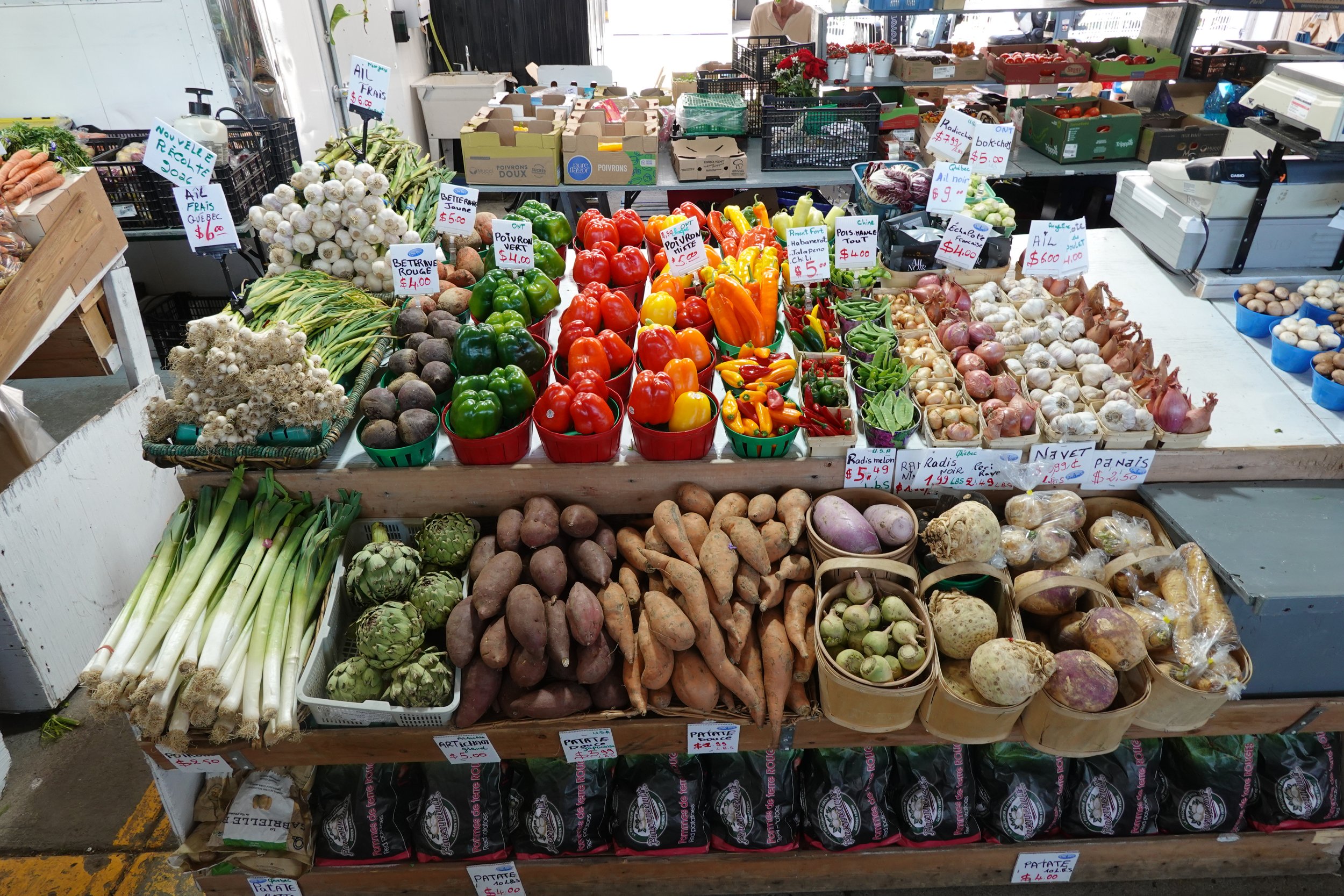
Jean-Talon Market: Photography by Pippa Moyle, using a Sony RX100 VII from MPB
The biggest difference was often found in the smaller details.
Travel memories are not only made up of major landmarks. They are also found in the food placed in front of you, the lettering above an old shopfront, the view through a train window and the moment an unfamiliar street suddenly makes you stop.
Using a camera encouraged us to notice more of those moments.
At Jean-Talon Market in Montréal, for example, it was not only the scale of the market that made it memorable. It was the colour of the seasonal fruit, the arrangement of the stalls and the expressions of the people working there.
On the Toronto Islands, the skyline was impressive, but so were the quieter photographs of paths, beaches and the contrast between nature and the city just across the water.
These are the images that help a travel article feel immersive rather than generic.
Was it easy to carry?
The practical side of travelling with a camera mattered just as much as the image quality.
We needed something that could come with us to restaurants, cycling trips, markets, museums, train journeys and long days exploring on foot. The Sony RX100 VII was compact enough to fit into our everyday bag without requiring a separate camera backpack.
That meant we were much more likely to have it with us when we needed it.
Is a digital camera worth buying for travel?
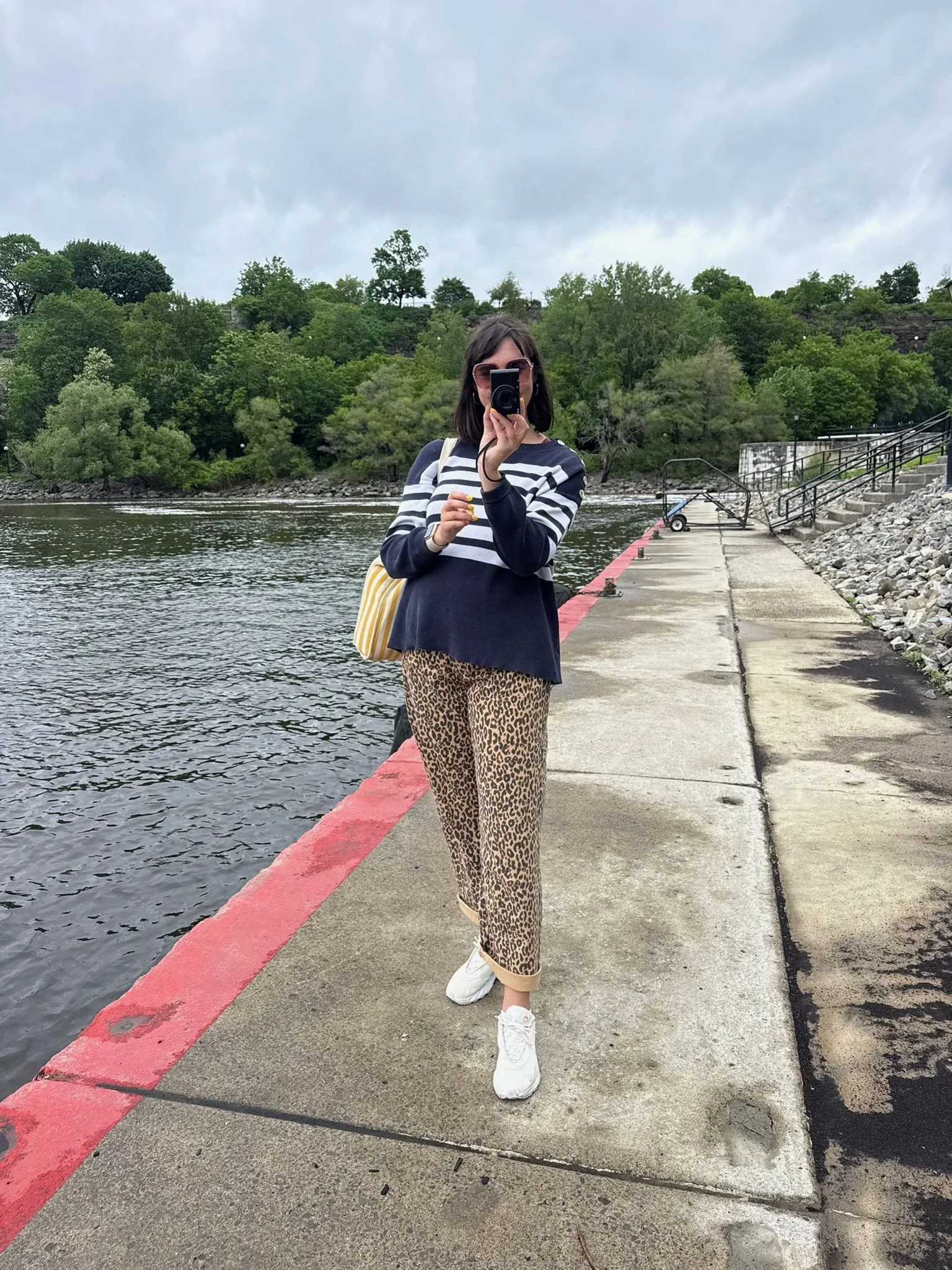
A smartphone may be completely sufficient when you want convenient holiday photographs to share with friends and family.
But a compact digital camera is worth considering when photography is an important part of how you experience and remember travel.
It may be especially useful when you:
create content for a blog, business or social media account
want more flexibility when framing distant and close-up subjects
regularly print photographs or use them beyond a phone screen
enjoy photography as a creative hobby
want to reduce the time you spend using your phone while travelling
care about building a stronger, more cohesive record of a special trip
Why buying used camera equipment makes sense
Cameras can be a significant investment, particularly when you are moving beyond phone photography for the first time.
MPB is the UK’s top camera reseller and is a popular choice among both amateur photographers and experienced professionals looking to buy, sell or trade their kit.
Choosing used equipment can make a higher-quality camera more accessible than buying the equivalent model brand new, while also keeping existing kit in circulation.
It can also open up more options within the same budget. Rather than compromising on the camera you want because of the cost of buying new, shopping used can make it possible to consider higher-spec models, additional lenses or other equipment that might otherwise feel out of reach.
For beginners and hobbyists, that can make taking the next step beyond phone photography feel much less intimidating. For experienced photographers, it can also be a practical way to upgrade or change their setup without always having to buy brand new.
Our final verdict
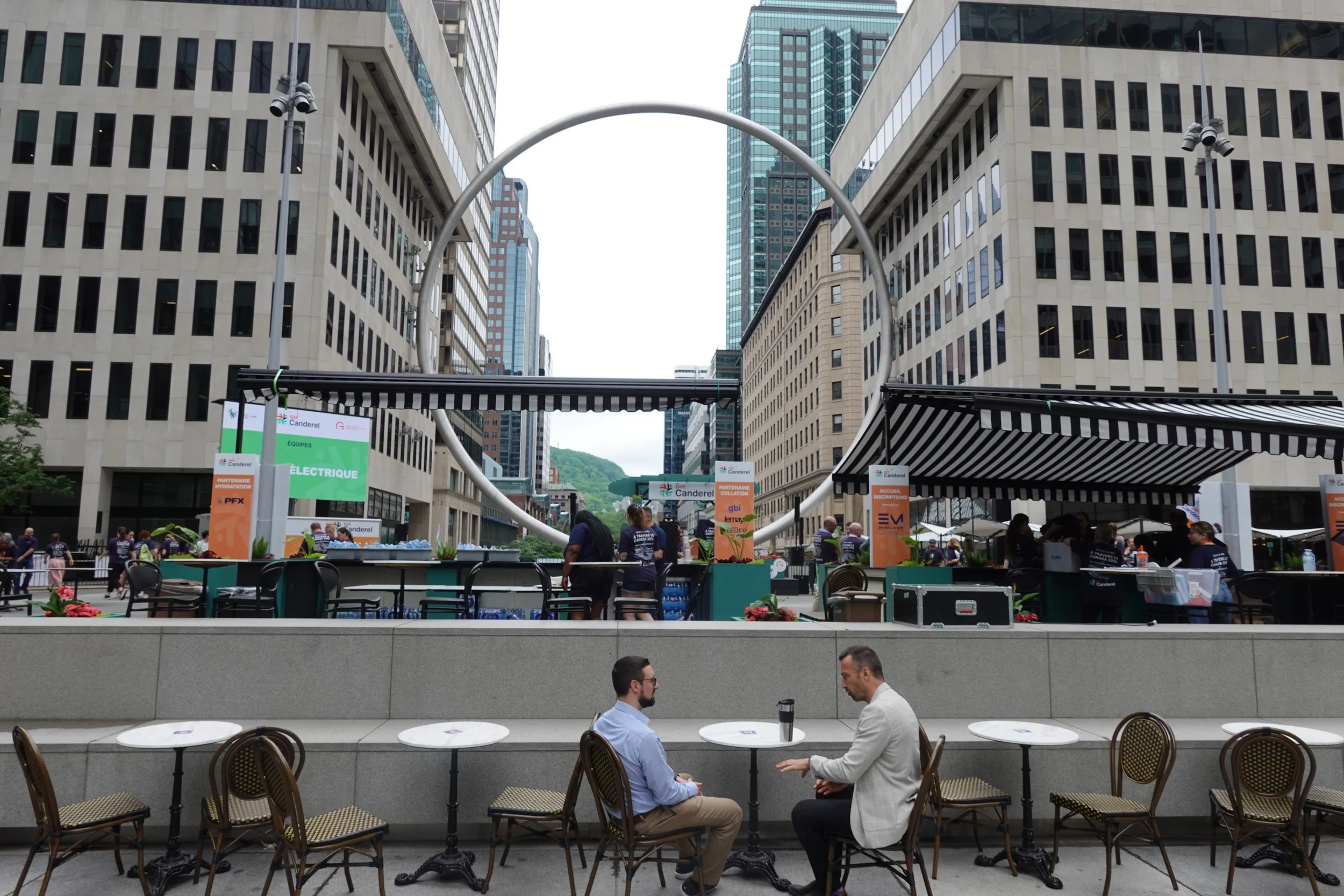
The Ring, Montréal: Photography by Pippa Moyle, using a Sony RX100 VII from MPB
Taking a digital camera did not make our phones redundant. Instead, the two served different purposes.
Our phones remained the quickest tool for Stories, informal clips and sharing updates in real time. The Sony RX100 VII became the camera we reached for when we wanted to capture an image with more thought and create something strong enough to sit at the centre of a travel guide.
Most importantly, it encouraged us to pay closer attention.
We noticed the light, the architecture, the food, the landscapes and the small details that gave each Canadian destination its own personality. Rather than simply collecting snapshots, we returned with a visual record of how the trip actually felt.
For travellers who enjoy photography as a creative outlet, a compact digital camera can offer a valuable middle ground: noticeably more intentional than relying entirely on a phone, without the weight or complexity of a full professional setup.
And for a trip as varied and memorable as Canada, we were very glad we made room for one in our bags.
This article as written in partnership with MPB.