

Guides about moving to Australia mention the visa fee and leave it there, as if that single payment covers everything. It doesn't, and the gap between what people budget and what they actually spend can be huge.
Flights, temporary accommodation, rental bonds, health cover and getting belongings across the world will add up to several times the visa cost alone. Here's every major expense broken down with current 2026 figures, starting with the one that just got a lot pricier.
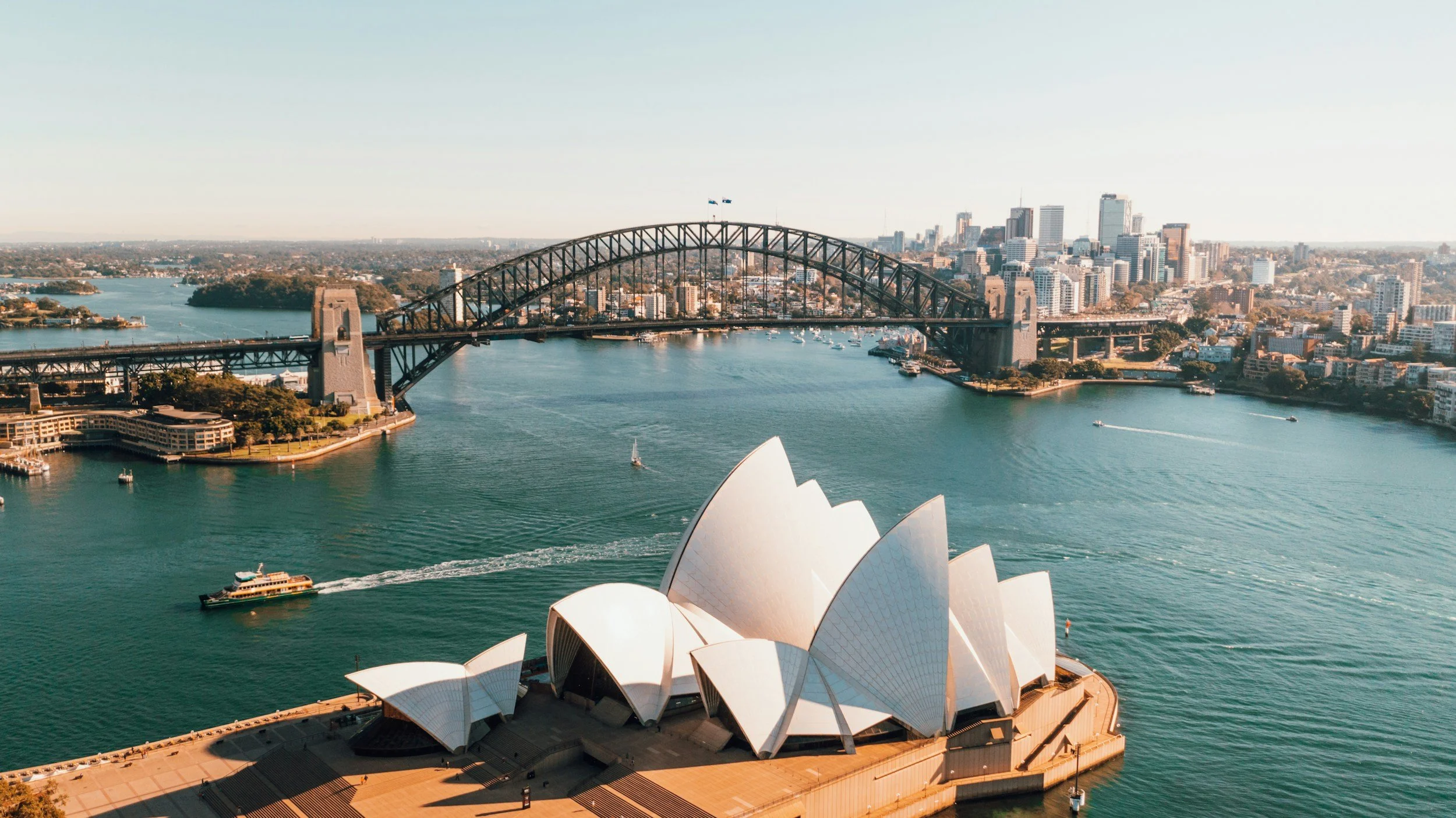
Photography by Caleb Russell
The Visa Fee Just Went Up
From 1 July 2026, a first Working Holiday visa (subclass 417) costs AUD 840, up from AUD 670 the year before. That’s a 25% increase, and it gives Australia the highest upfront application charge of any major working holiday scheme. For people planning to stick around beyond the first year, second and third applications now sit at AUD 1,000 each, so three full years will cost AUD 2,840 in visa charges alone.
On top of the application fee, the Department of Home Affairs expects applicants to prove they have around AUD 5,000 in savings plus enough money for a return or onward flight. That proof-of-funds check doesn’t happen at the border every time, but it can, and turning up without it is a risk that isn’t worth taking. These figures come from the Home Affairs visa pricing page and tend to change every July, so double-check close to the application date.
Everything that follows assumes a Working Holiday visa, which is the route most people under 36 take first. Going permanently puts you in a different bracket entirely. From 1 July 2026 a Skilled Independent (subclass 189) application starts at AUD 6,135 for the main applicant, Employer Nomination (subclass 186) at AUD 6,140 and a partner visa at AUD 11,710, before you add skills assessments, English tests and medicals.
Flights and the First Few Weeks
A one-way flight from London to Sydney or Melbourne will usually land somewhere between £450 and £900, depending on timing and how many stops you’ll put up with. The sub-£500 fares are real, but they’re attached to two and three stop routings that take 35 hours or more. Paying a couple of hundred pounds extra for a single stop is the difference between arriving functional and arriving wrecked, which matters more than it sounds when you’ve got a hostel check-in and a bank appointment waiting.
Then there’s the awkward gap between landing and actually finding somewhere to live. Most people spend their first two to four weeks in hostels or short-term shares while they open a bank account and get settled in. Dorm beds in central Sydney and Melbourne mostly run at AUD 45-80 a night, and they climb again over the December and January rush, so even a fortnight’s stay can hit AUD 630-1,120 before a sharehouse comes together.
Rent, Bonds and a Roof Over Your Head
Once a sharehouse is sorted, the rental bond will be the next big hit. Bond and advance rent are both capped by state law rather than left to the landlord, and in New South Wales that means four weeks’ rent as a bond plus a maximum of two weeks in advance. Other states set their own caps, so check the rules wherever you’re landing. In Sydney, a room in a sharehouse typically costs AUD 300-400 per week, which means the move-in cost alone could land between AUD 1,800 and AUD 2,400. Melbourne usually works out cheaper and Brisbane can too, though Perth room rents have climbed fast enough that it’s no longer the bargain it was.
Landlords and agencies also tend to ask for proof of employment or a reference from a previous landlord, which is obviously tricky for a person who just stepped off a plane. Having enough savings to cover those first few weeks of rent without depending on immediate work will take a lot of the pressure off, and it'll make it easier to say yes when a decent room comes up.
What to Do With Your Stuff
There are really only a few options here: sell everything and buy again in Australia, leave belongings with family, put things in storage, or send them ahead by sea freight. For most people, a mix of these will make the most sense. Furniture is rarely worth shipping because Australian flat shares often come part-furnished, and moving a sofa halfway around the world can often cost more than picking up a second-hand one after arrival.
Personal items, books and sentimental things that can't be replaced are a different matter, though. Sea freight takes 6-12 weeks depending on the destination city, so it needs to be arranged well ahead of time. Prices depend heavily on volume and destination and can vary wildly between providers, so ask shipping services for quotes early instead of leaving it until the boxes are packed. Air freight will get boxes there faster but costs significantly more, so most people reserve it for essentials that genuinely can't wait two months on the water.
Health Cover and the Medicare Safety Net
British citizens have an advantage here that a lot of people don’t know about. The UK and Australia have a Reciprocal Health Care Agreement that lets eligible UK residents enrol in Medicare on arrival, with cover running until the visa expires. Services Australia says the agreement covers medically necessary care out of hospital, medically necessary care as a public patient in a public hospital, and some PBS prescription medicines at the general rate. That’s a real safety net for the first year, though it’s narrower than the NHS. A GP visit will attract a Medicare rebate rather than being free, so you’ll often pay a gap, and routine check-ups and elective treatment fall outside it.
It doesn’t cover everything, though. Ambulances, dental, optical and physio aren’t included, and ambulance charges are set state by state rather than nationally. In Victoria, a single emergency road ambulance trip in metropolitan Melbourne is billed at AUD 1,477, rising to AUD 2,179 if you’re picked up somewhere regional. Private health insurance for working holiday makers runs from around AUD 60 per month for a basic policy up to AUD 150 or more for broader cover, and it’ll plug those gaps for anyone who’d rather not take the risk.
What It All Adds Up To Before You Earn a Dollar
Before earning a single dollar, a person making this move can realistically expect to spend £3,000-5,000 once everything is converted and totalled up. That covers the visa, flights, settling-in costs, a rental bond and getting belongings there in some form. It doesn't include day-to-day living either, and Australian cities aren't cheap. A weekly food shop, a phone plan and a transit card will eat through savings faster than most people expect.
People who arrive with a realistic budget and a plan tend to settle faster, find better work and get far more out of the experience than those who land hoping it'll all sort itself out. These costs shouldn't put a person off making the move, but going in with eyes open and a few thousand pounds of breathing room can make the difference between just surviving those first months and actually enjoying them.
Disclaimer: This is a sponsored post.