

The Careers Most Women Don't Know Exist in Construction
Ask most women to name a job in construction and they'll say architect. Maybe project manager if they're feeling creative. After that, the list dries up pretty quickly, which is a real shame because there are loads of well-paid, genuinely interesting roles hiding behind those two obvious answers that never seem to come up in careers advice.
Construction in the UK employs over two million people, yet women still only make up around 15% of that workforce, according to ONS data. The biggest problem isn't that women can't do these jobs. It's that most of them have never even heard of the roles in the first place. And when the phrase "construction career" still brings to mind muddy boots and hard hats, you can see why.
So here's a look at what these roles actually involve, what they pay, how to break into them, and why more women should be paying attention.
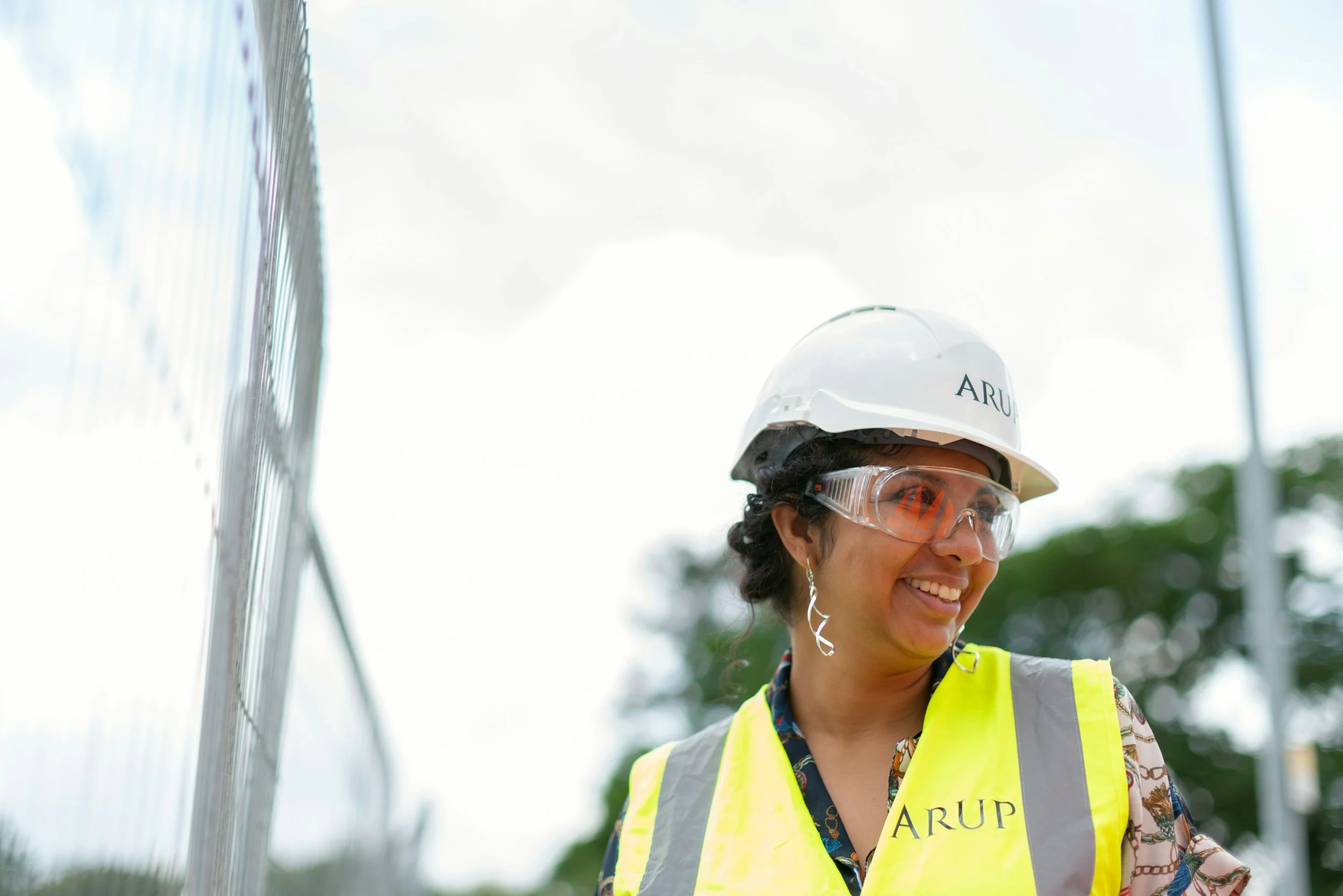
Image from This Is Engineering
Operations Director and Site Management
Operations directors run the day-to-day logistics of construction firms or large divisions within them, covering everything from programmes and resources to safety compliance and delivery. It's a leadership role that carries serious weight, and the salaries match.
What a lot of people don't realise is that you won't always need a degree to get there. Construction has stronger upward mobility than many other industries, and plenty of people work their way into senior positions through on-the-job experience and vocational qualifications.
An NVQ Level 7 in Construction Senior Management, for instance, sits at the same level as a master's degree but is completed through workplace evidence instead of lectures. It's built for people already in senior roles who want formal recognition of what they can do, and it can open the door to things like the CSCS Black Manager Card and chartered membership of the CIOB.
Quantity Surveyor: The Money Brain Behind Every Build
If you're good with numbers and the idea of managing multimillion-pound budgets sounds exciting, quantity surveying is worth knowing about. A QS looks after the financial side of a project from beginning to end. That covers everything from cost estimates and procurement through to contract management and keeping the whole thing on budget.
Graduate roles tend to start somewhere between £28,000 and £35,000, and within a few years experienced surveyors will be earning £45,000 to £60,000. At senior level, QS professionals and commercial managers regularly take home £65,000 to £85,000 or more, and those figures climb even higher in London.
There's also massive demand. The CITB estimates the industry will need an average of 41,200 extra workers a year through 2030, and quantity surveyors are consistently among the hardest roles to fill.
Commercial Manager and Contracts Lead
Commercial managers oversee the financial performance of entire portfolios of construction work. They'll negotiate contracts, resolve disputes, manage risk, and make the kinds of decisions that directly affect whether a project turns a profit. It's strategic and high-pressure, and the pay reflects that.
Contracts leads, on the other hand, deal with the legal and commercial side of individual projects and work closely with clients, subcontractors, and legal teams on a daily basis. Both roles suit people who enjoy problem-solving under pressure and can hold their own in a boardroom.
Why These Roles Stay Hidden
A big part of the problem is that school and university careers services still tend to push women towards a narrow set of professions. Teaching, nursing, law, marketing, accountancy. Construction doesn't even get mentioned because it's still tied to images of manual labour and male-dominated building sites.
But the reality in 2026 looks different. The office-based and management side of construction is growing fast, and firms are actively trying to recruit more women. Female apprenticeship starts in the sector have risen by 67% since 2018, according to Department for Education statistics compiled by the CITB. That's a clear sign things are changing, even if there's obviously still a long way to go.
A Career That Doesn't Wait for a Degree
One of construction's biggest selling points is that it doesn't always require three years at university and tens of thousands of pounds in student debt. Many of the roles mentioned here can be accessed through apprenticeships, NVQs, professional certifications, and on-the-job training programmes, meaning you can earn while you learn and build real experience from day one. People who are good at what they do tend to move up quickly.
That's especially relevant for women who might be re-entering the workforce or switching careers in their 30s and want an industry where effort and competence count for more than whatever qualifications you've got on paper.
More Than Hard Hats
Construction in the UK is a £142 billion industry, and it's crying out for talent. The skills shortage isn't going anywhere soon, which means strong job security, competitive pay, clear progression routes, and genuine room to grow.
If you've been writing it off because you assumed it was all heavy lifting and hi-vis jackets, it's time to reconsider. The roles are there and they pay well. Nobody's going to ask whether you knew about them when you were at school.
This is a sponsored post.