How to Balance Wellness and City Life in Québec: Outaouais and Montréal
Québec makes it surprisingly easy to combine the excitement of a city break with time spent slowing down. One day you can be exploring museums, markets and mural-lined streets; the next, cycling beside lakes, eating in a woodland restaurant or floating weightlessly in a saltwater pool.
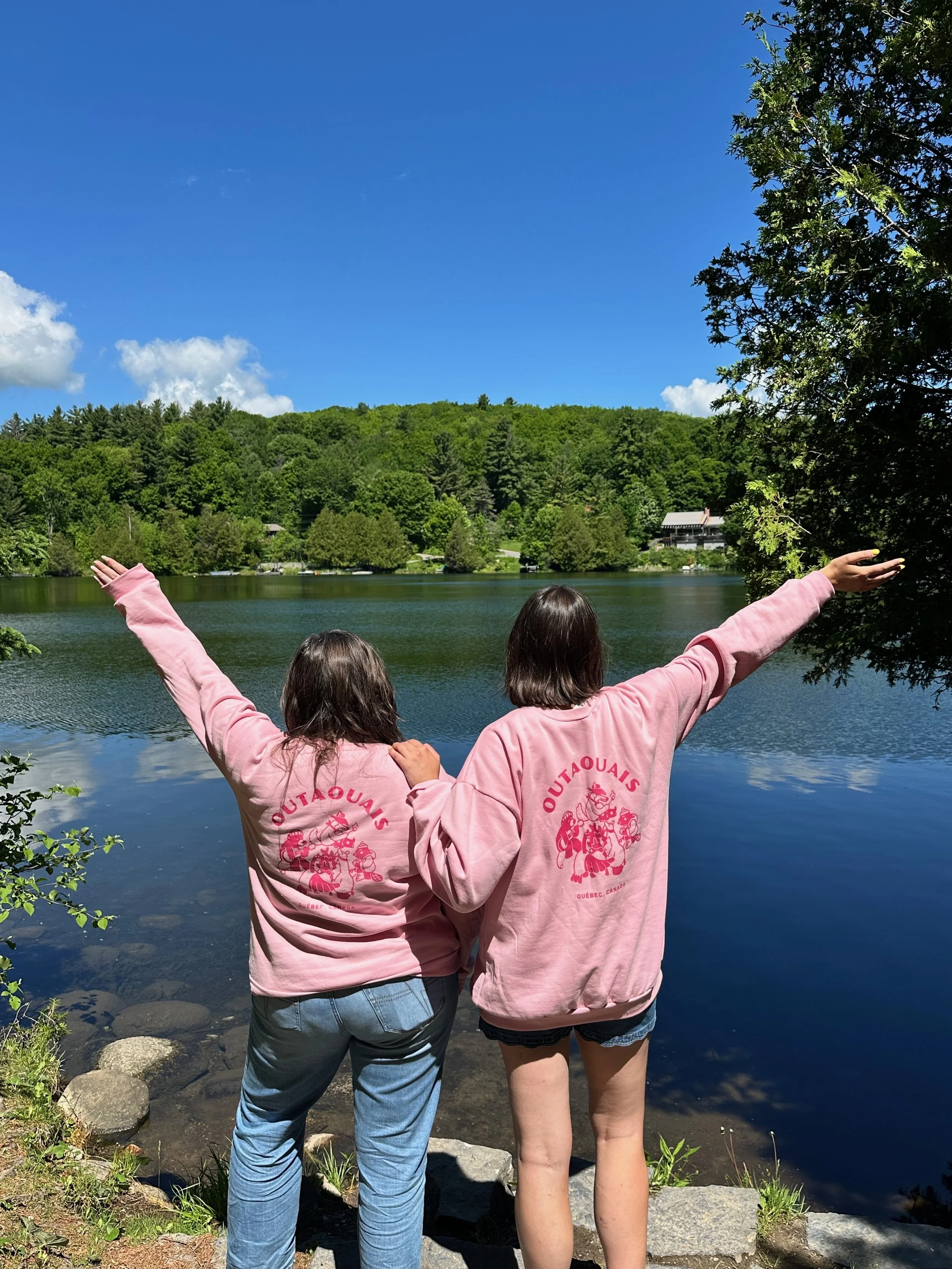
We experienced both sides of the province in June by travelling through Outaouais and Montréal as part of the City Girl Guide to Canada with Air Transat. Outaouais gave us forests, village life and a complete wellness reset, while Montréal delivered neighbourhood energy, exceptional food and plenty of culture without ever feeling completely separated from nature.
Together, they showed us that wellness does not have to mean retreating from city life. In Québec, the two can sit comfortably alongside each other.
An Introduction to Québec
Québec is one of Canada’s most distinctive destinations, shaped by French-speaking culture, Indigenous histories, vast natural landscapes and energetic cities. Its 22 tourism regions range from Montréal and Québec City to mountain, forest and maritime destinations including Charlevoix, the Laurentians, Saguenay–Lac-Saint-Jean and Gaspésie.
For travellers visiting from the UK, its variety is part of the appeal. You do not necessarily have to choose between a city break and a nature holiday. Québec’s cities are surrounded by parks, rivers, islands and smaller communities, making it possible to build an itinerary around culture, food and nightlife while also creating space to properly switch off.
That contrast became especially clear during our journey from Gatineau and Chelsea in Outaouais to Montréal.
Begin with Culture in Gatineau
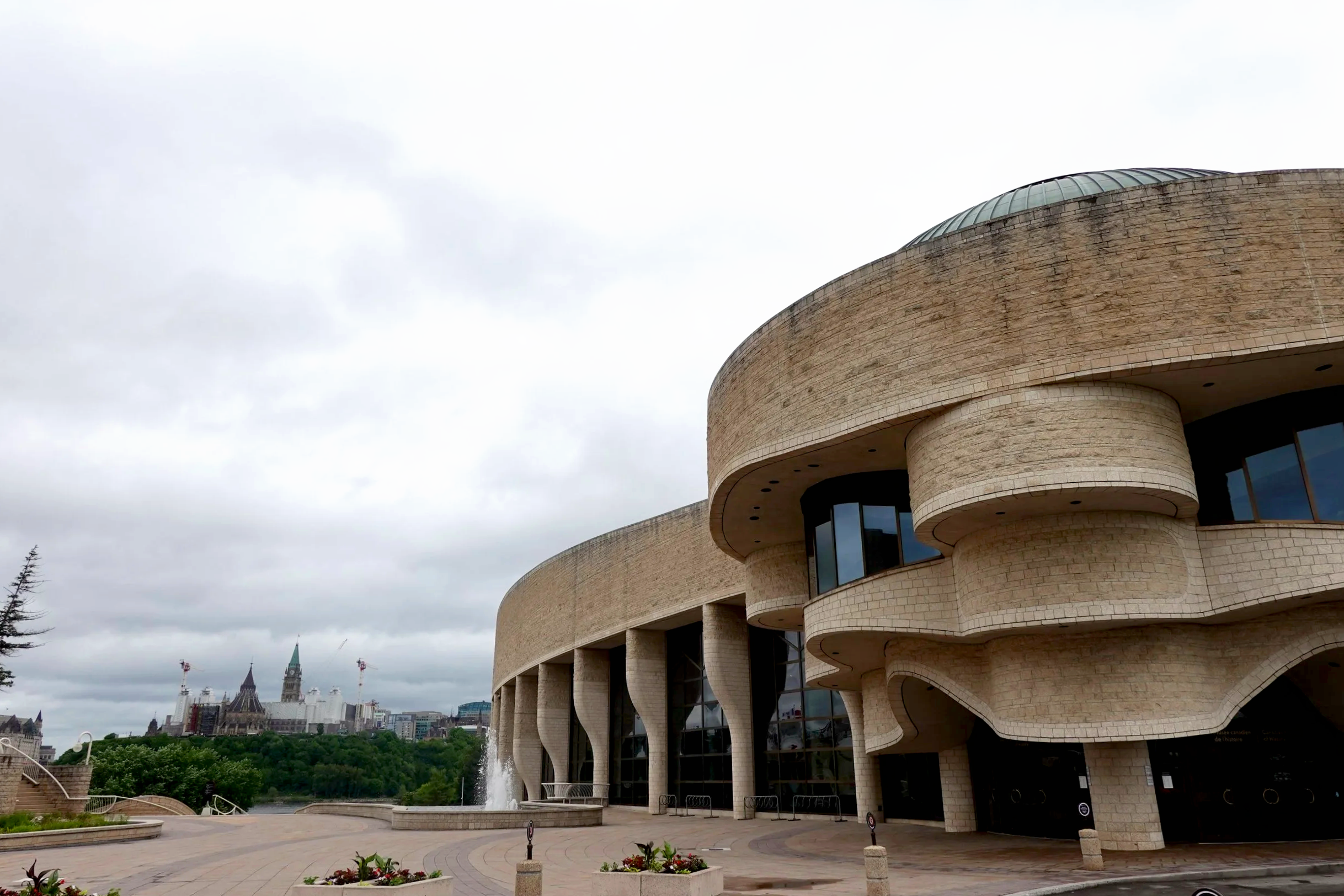
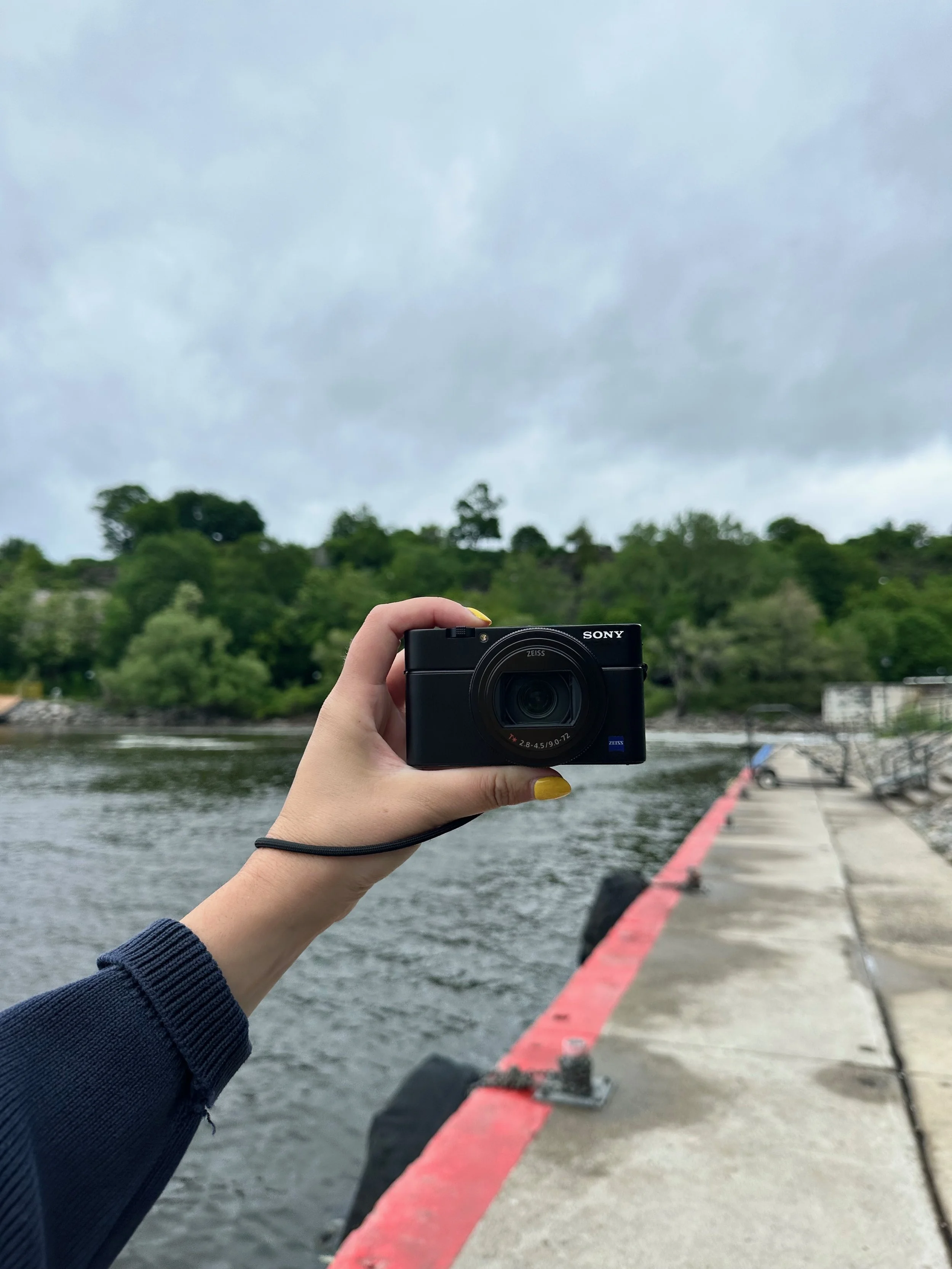
Photography by Pippa Moyle, using a Sony RX100 VII from MPB
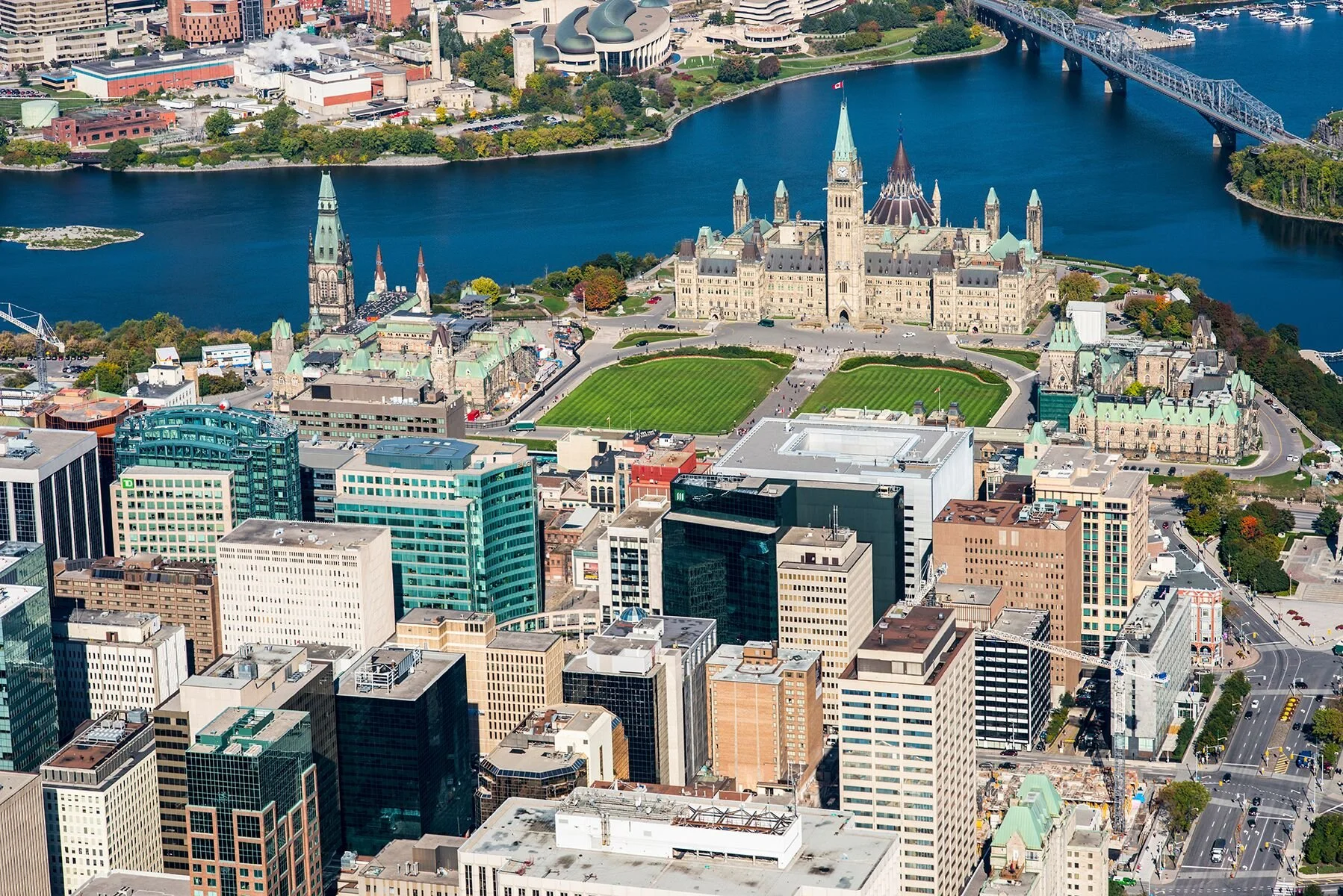
Our first introduction to Québec was an aqua taxi journey across the Ottawa River from Ottawa’s Parliament Hill to Gatineau’s Canadian Museum of History with ‘Water Taxi, eh?’. It was a memorable way to cross into the province, with views of the riverfront and both cities along the way.
We arrived beside the Canadian Museum of History, which provided an important cultural foundation for the rest of our trip. The museum explores thousands of years of Canadian history, including Indigenous cultures, stories and achievements. Its curved riverfront building, designed by Indigenous architect Douglas Cardinal, is also part of the experience.
We could easily have spent an entire day exploring, but focused our time on the Grand Hall and the Canadian History Hall. Booking a guided tour is worthwhile to get a greater insight into the thought and meaning that’s been built into the museum’s architecture as well as its collections.
Starting here helped the region feel like more than a beautiful escape. It gave context to the people, landscapes and histories that have shaped it.
Afterwards, we crossed the road for lunch at Bobino Bagel, a colourful local bakery making Montréal-style bagels on-site. It was a casual and easy stop before leaving the city behind and continuing towards Chelsea.
Slow Down in Chelsea
Chelsea is only a short journey from Gatineau, but the change in pace feels immediate. Sitting beside Gatineau Park, the village brings together cafés, independent businesses, restaurants, accommodation and one of the region’s most famous wellness experiences.
We stayed at Lofts du Village in the heart of Old Chelsea, moments from the entrance to the park. Each loft has its own design and plenty of space, making it an especially comfortable base after several busy days travelling through Canada.
One of the easiest ways to explore the village is through Square Old Chelsea, home to restaurants, shops and Distillerie du Square. We joined a tour and tasting at the distillery, learning how the surrounding landscape inspires its locally made spirits. We left with a bottle of Picbois and a new appreciation for Bella Ciao, its bright, spritz-style drink that we later spotted across Montréal.
This is where the balance begins to work particularly well. You can enjoy an activity and a tasting without needing to rush between locations, then walk back to your accommodation before dinner.
Make Dinner Part of the Wellness Experience
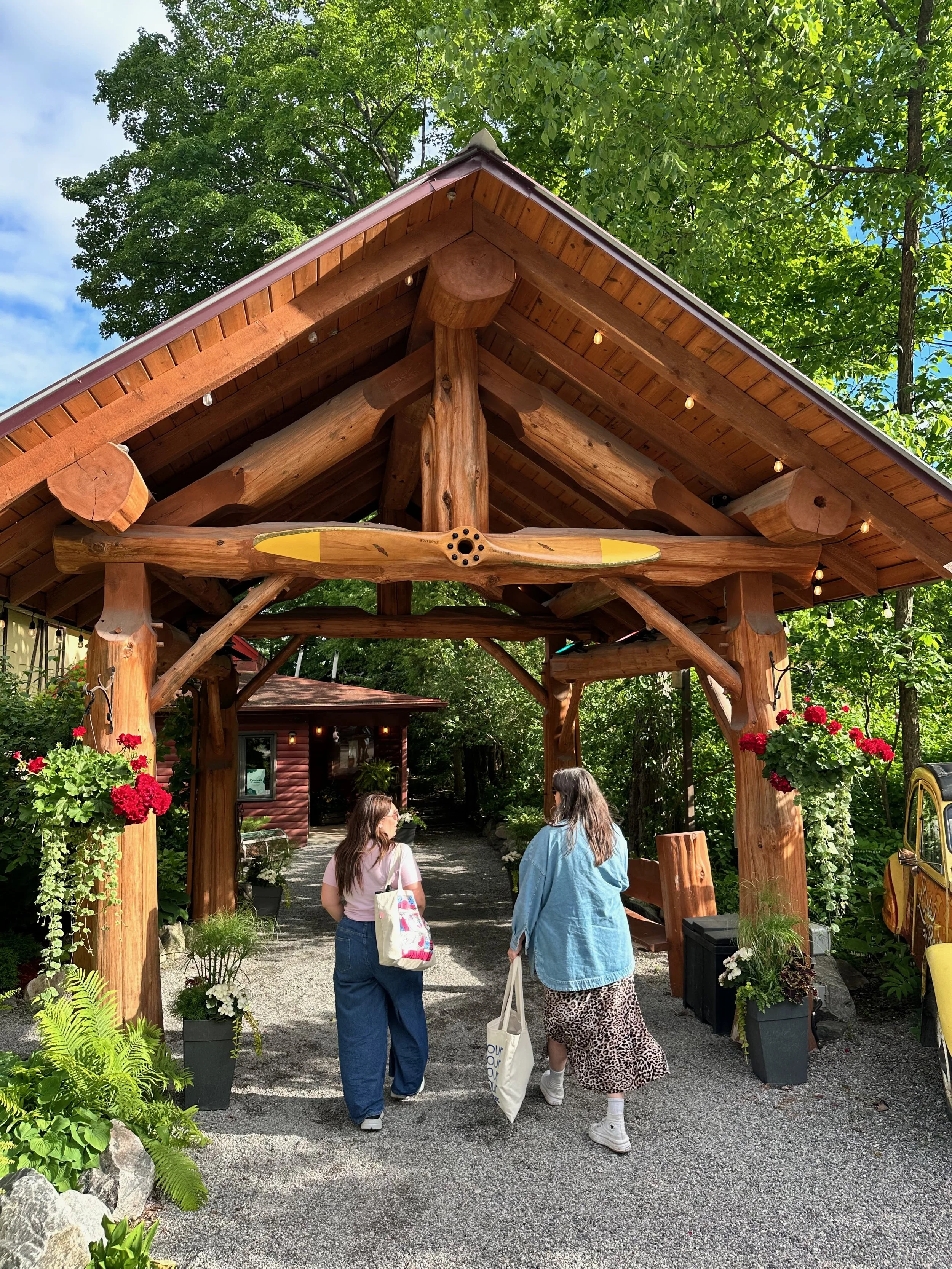
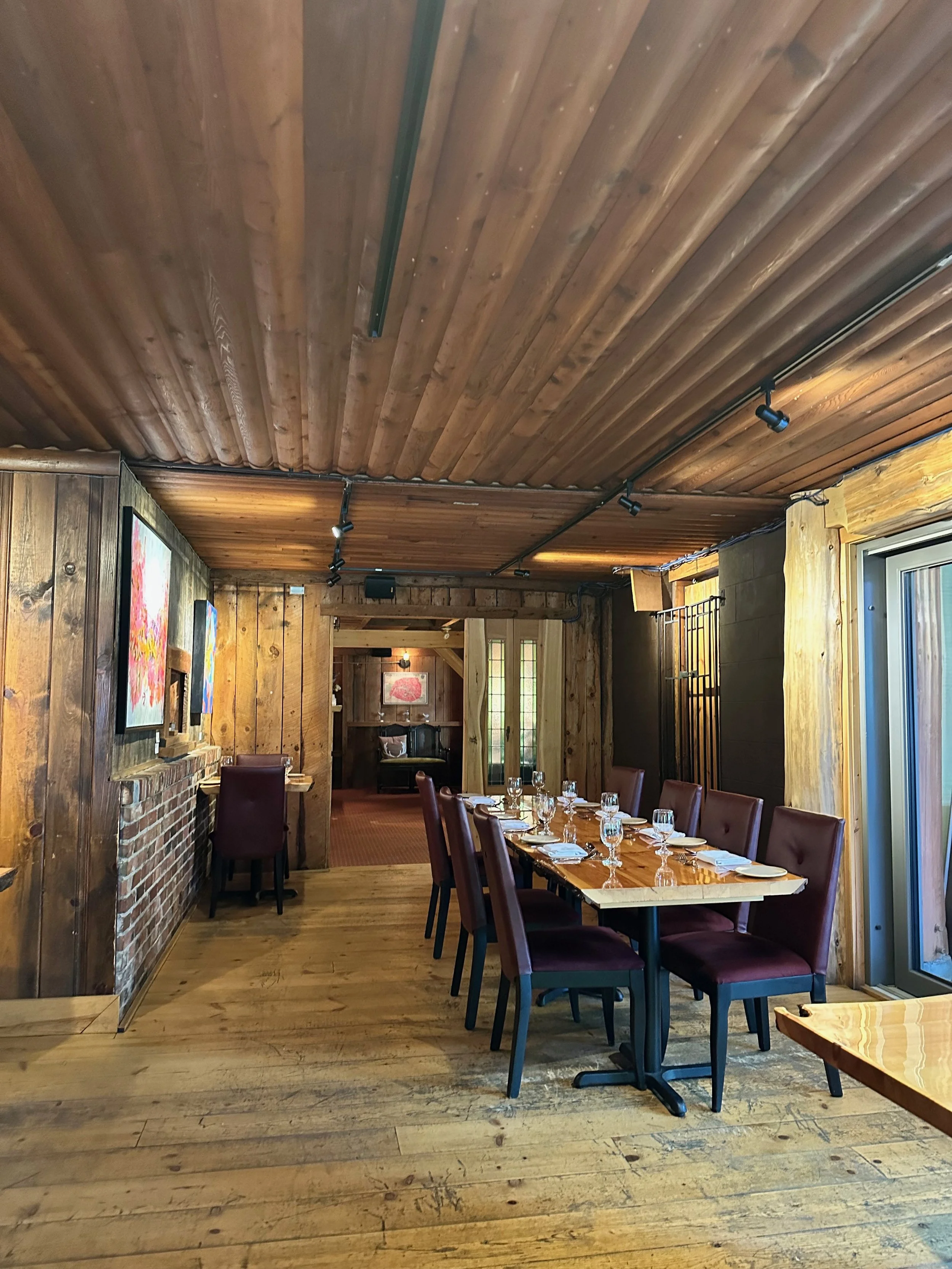
Wellness travel is often reduced to spa treatments, but some of our most restorative moments in Québec came from slowing down over food.
L’Orée du Bois sits in the woodland outside Chelsea and serves refined, French-inspired food shaped by local Québec ingredients. We walked there from our accommodation, following a route through the trees and beside a rushing river.
The combination of the setting, journey and meal made it one of our favourite dining experiences of the entire Canada trip. It felt special without being overly formal, and the woodland surroundings encouraged us to be completely present rather than thinking about the next stop.
Reset at Nordik Spa Village Chelsea
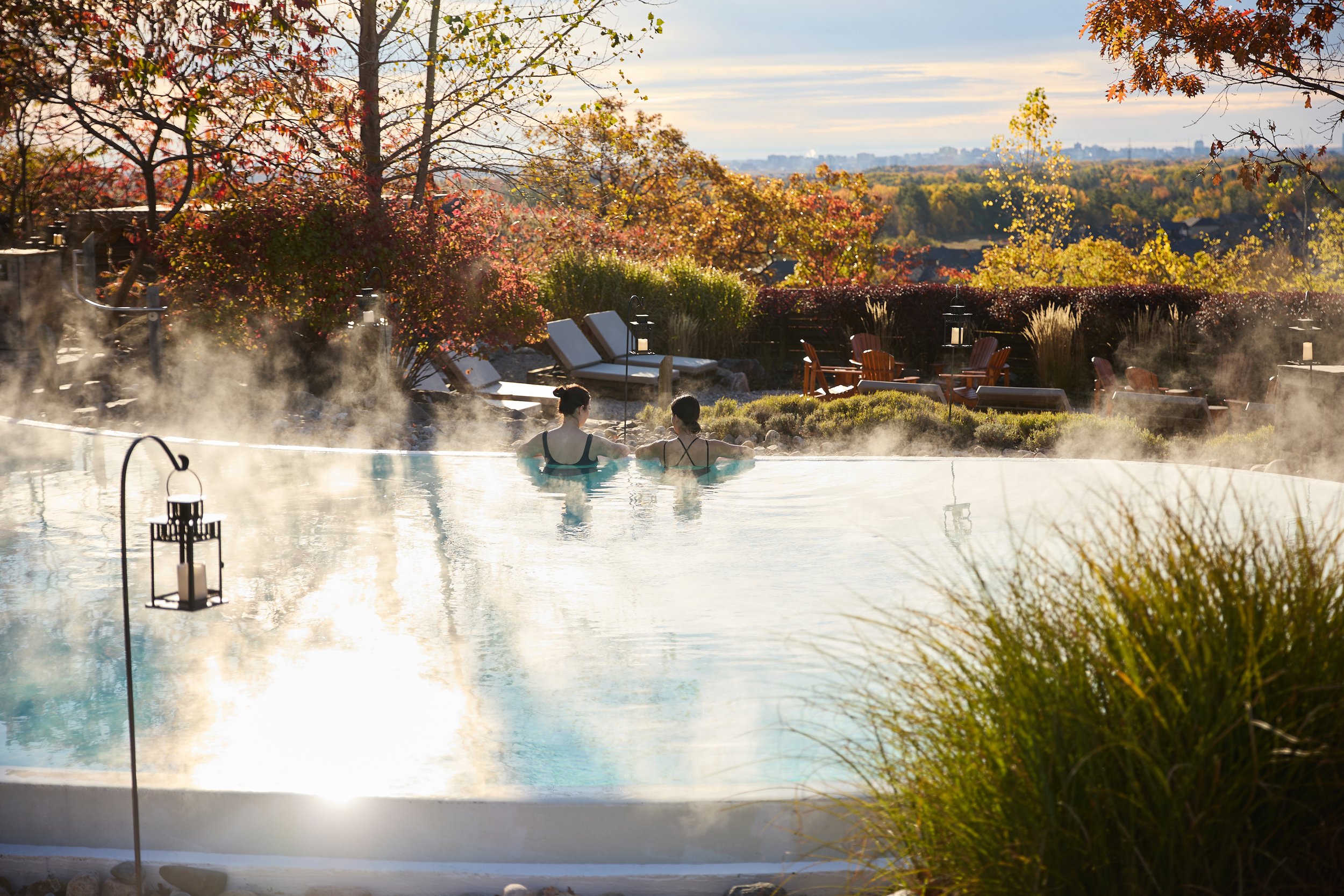
Image provided by Nordik Spa Village
After dinner, we continued to Nordik Spa Village on the edge of Gatineau Park.
The spa is built around thermal relaxation, with hot pools, cold plunges, saunas, steam rooms, relaxation spaces, fires and several places to eat and drink. Rather than treating it as a quick appointment, give yourself a full evening and let the experience become the point at which the trip properly slows down.
Our highlight was Källa, a saltwater floating pool where you can lie back and feel almost completely weightless. It costs extra, but it was one of the most memorable wellness experiences of our time in Québec.
After days filled with flights, trains, activities and city exploration, it created a clear dividing line between the faster first half of our itinerary and the calmer pace that followed.
Explore Gatineau Park by E-Bike
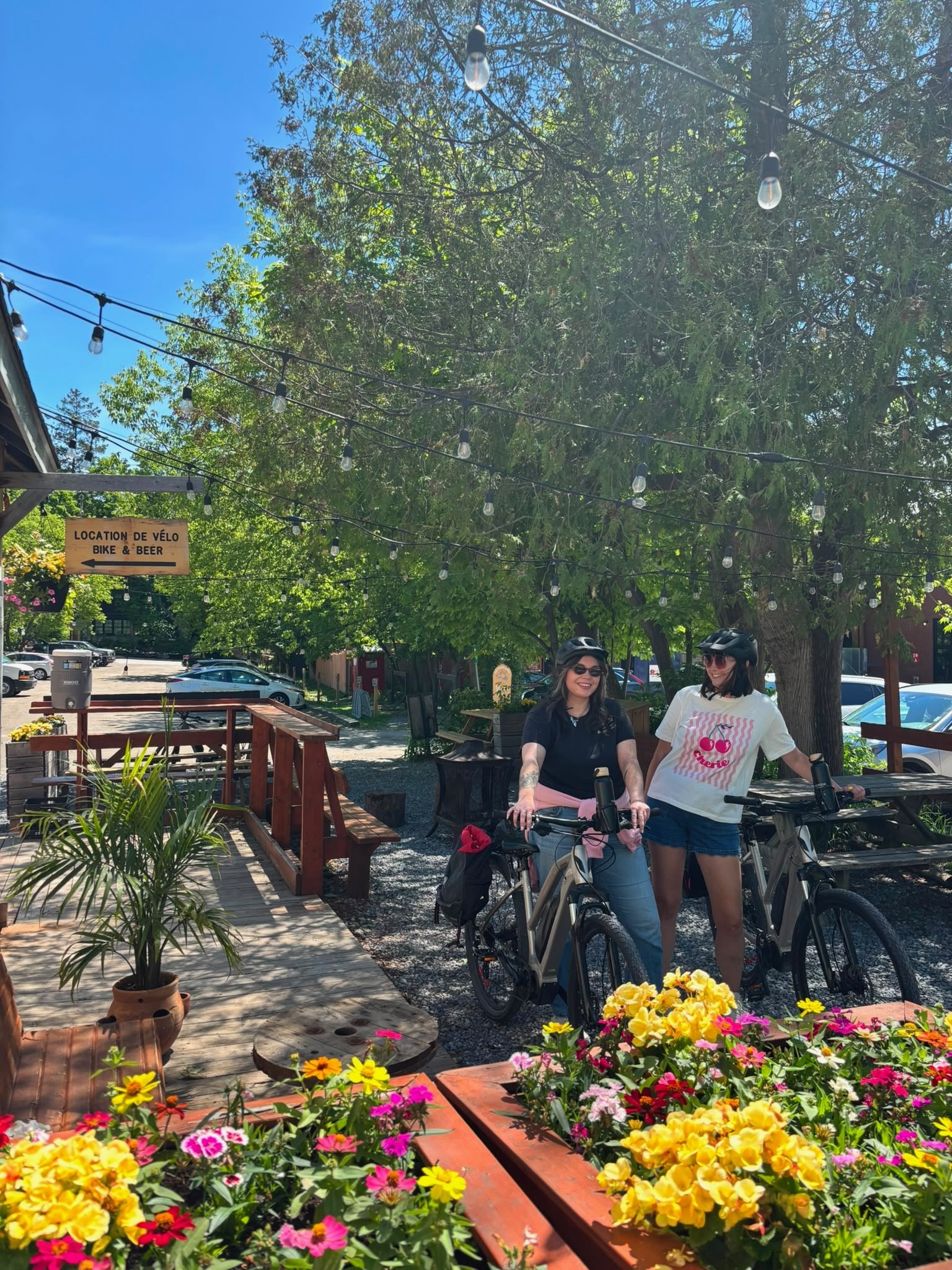
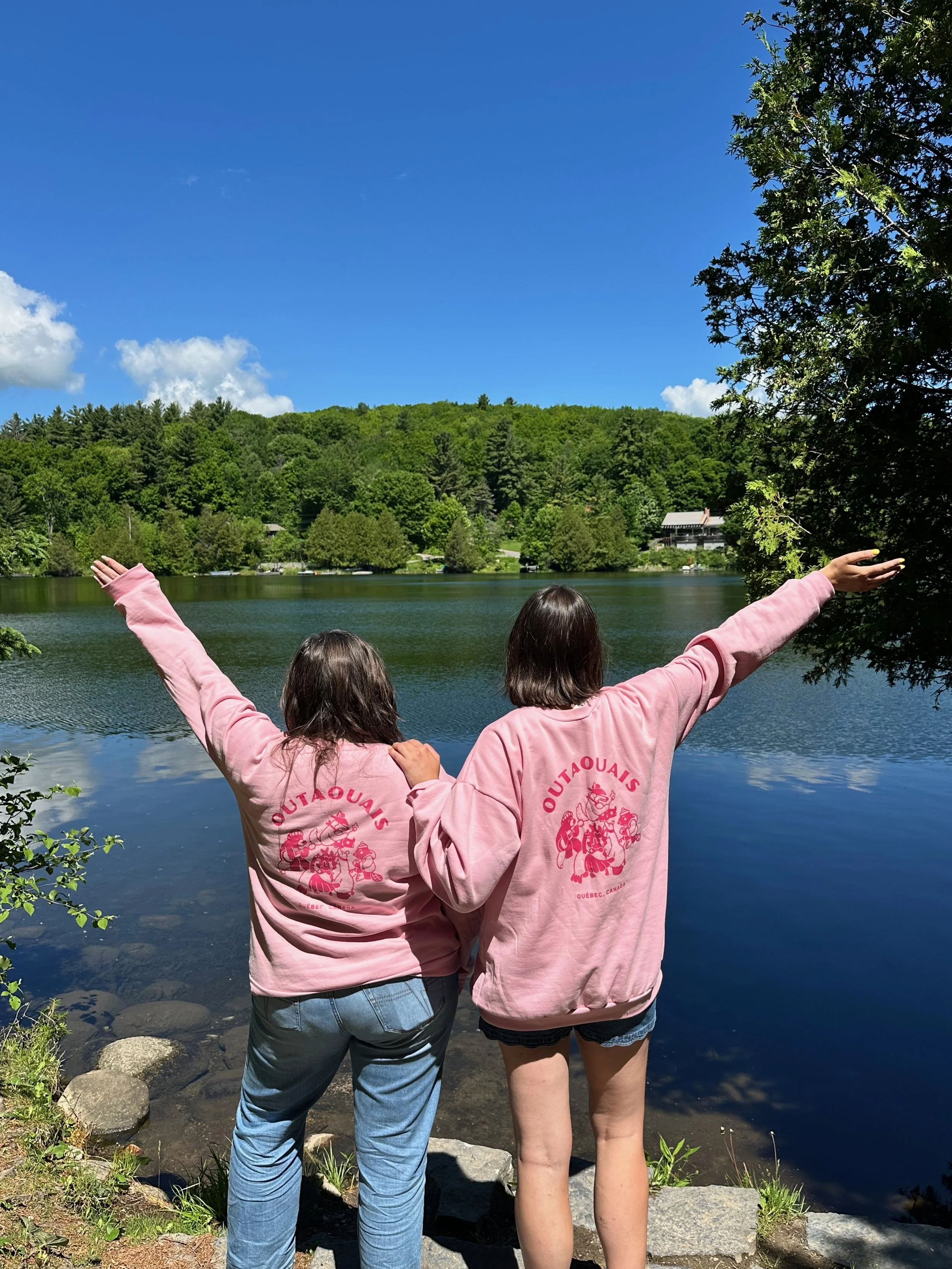
Wellness does not always need to mean being still.
The following morning, after breakfast at Biscotti & Cie, we hired electric bikes from Nomades du Parc and headed into Gatineau Park. The team can suggest routes according to your ability and the amount of time available, making the experience approachable even when you are not a regular cyclist.
We rode through forested scenery towards Pink Lake, the Mackenzie King Estate and Lac Kingsmere. The electric assistance made the hills manageable while still allowing us to feel active and properly connected to the landscape.
Champlain Lookout is another popular option for expansive views over the Ottawa River. We didn’t have enough time to include it, but it is firmly on our list for a future visit, as is Lac Meech, a popular swimming spot.
Cycling was the ideal end to our time in Outaouais. It helped us see more of the park in a really fun way, and we returned to Chelsea feeling energised rather than depleted.

Return to the Energy of Montréal
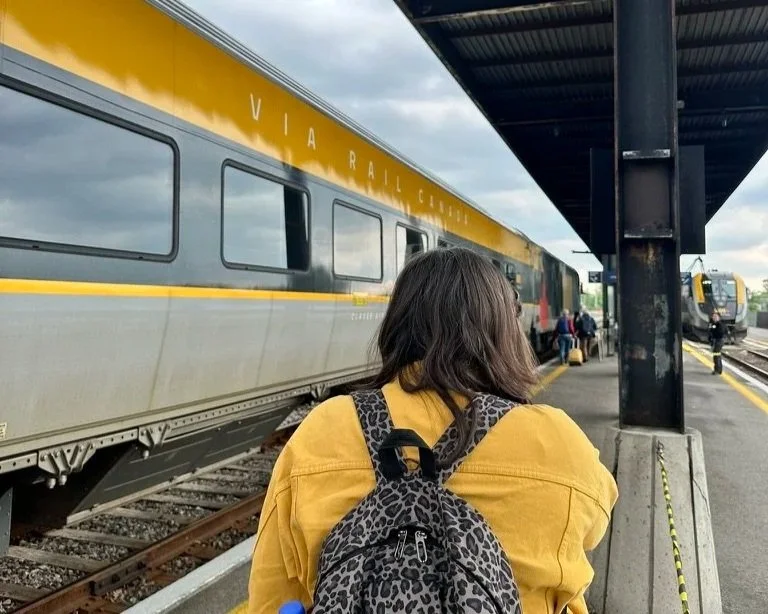
From Outaouais, we travelled back across the river to Ottawa, and onwards to Montréal by VIA Rail.
Montréal immediately brought the city energy back into the trip, but not in a way that undid the slower pace we had found in Chelsea. The city is filled with restaurants, festivals, museums, markets and nightlife, yet its neighbourhoods, parks, terraces and waterfront make it possible to build breathing space into every day.
The trick is not to pack every hour. Montréal is better when you allow time for a neighbourhood breakfast, an unplanned walk, a long lunch and a few discoveries that were never on the original itinerary.
Find Nature Without Leaving Montréal
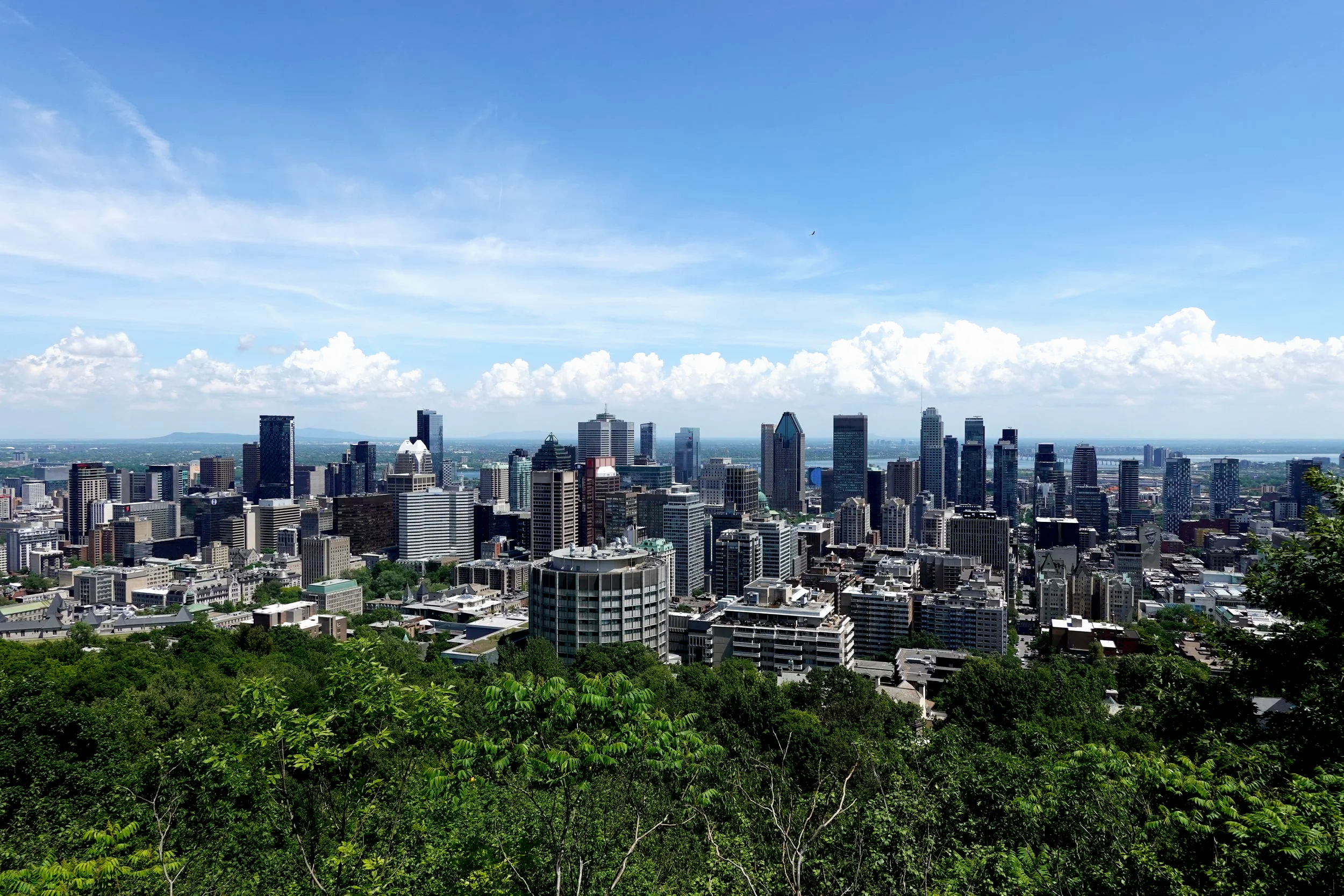
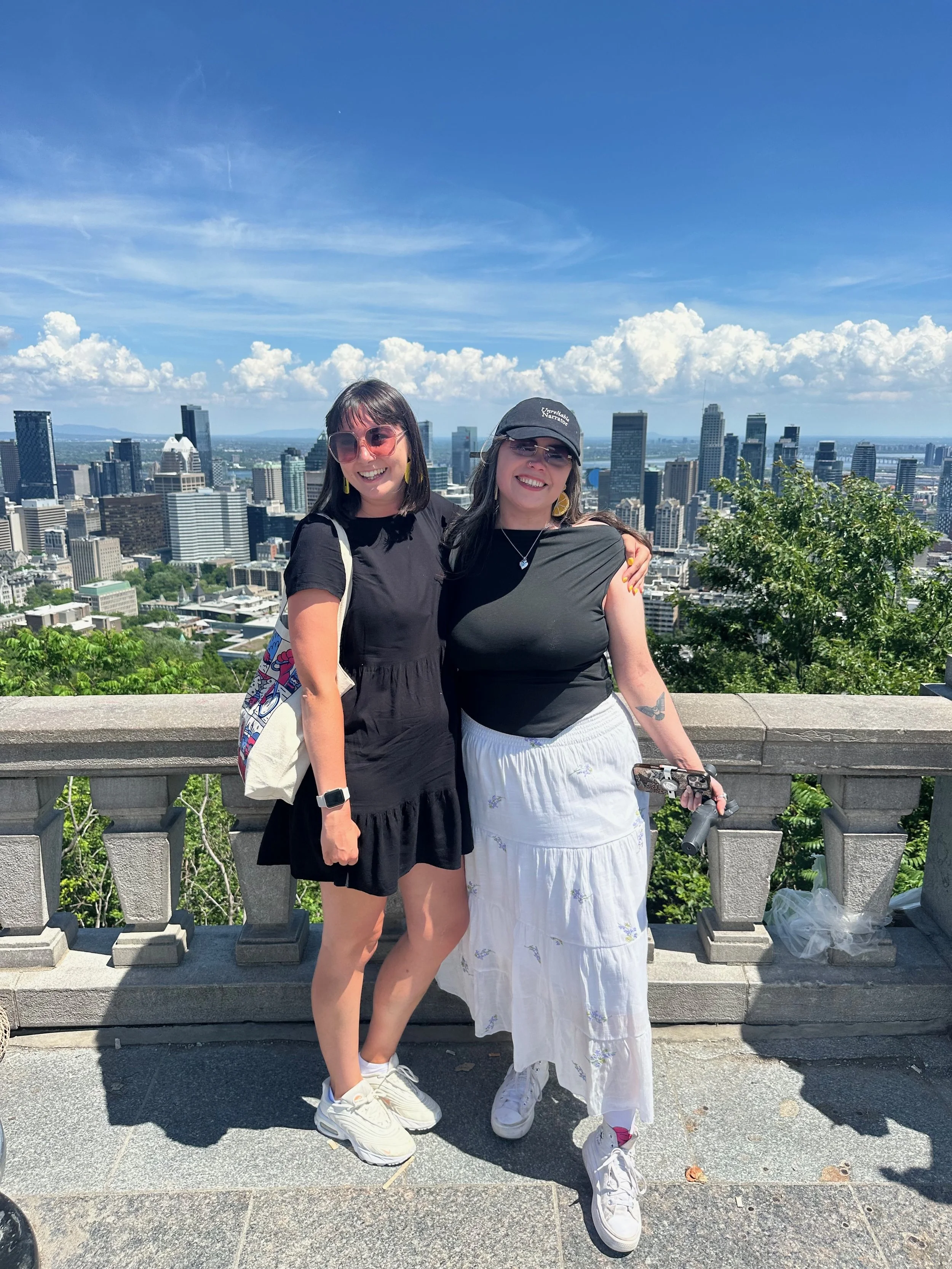
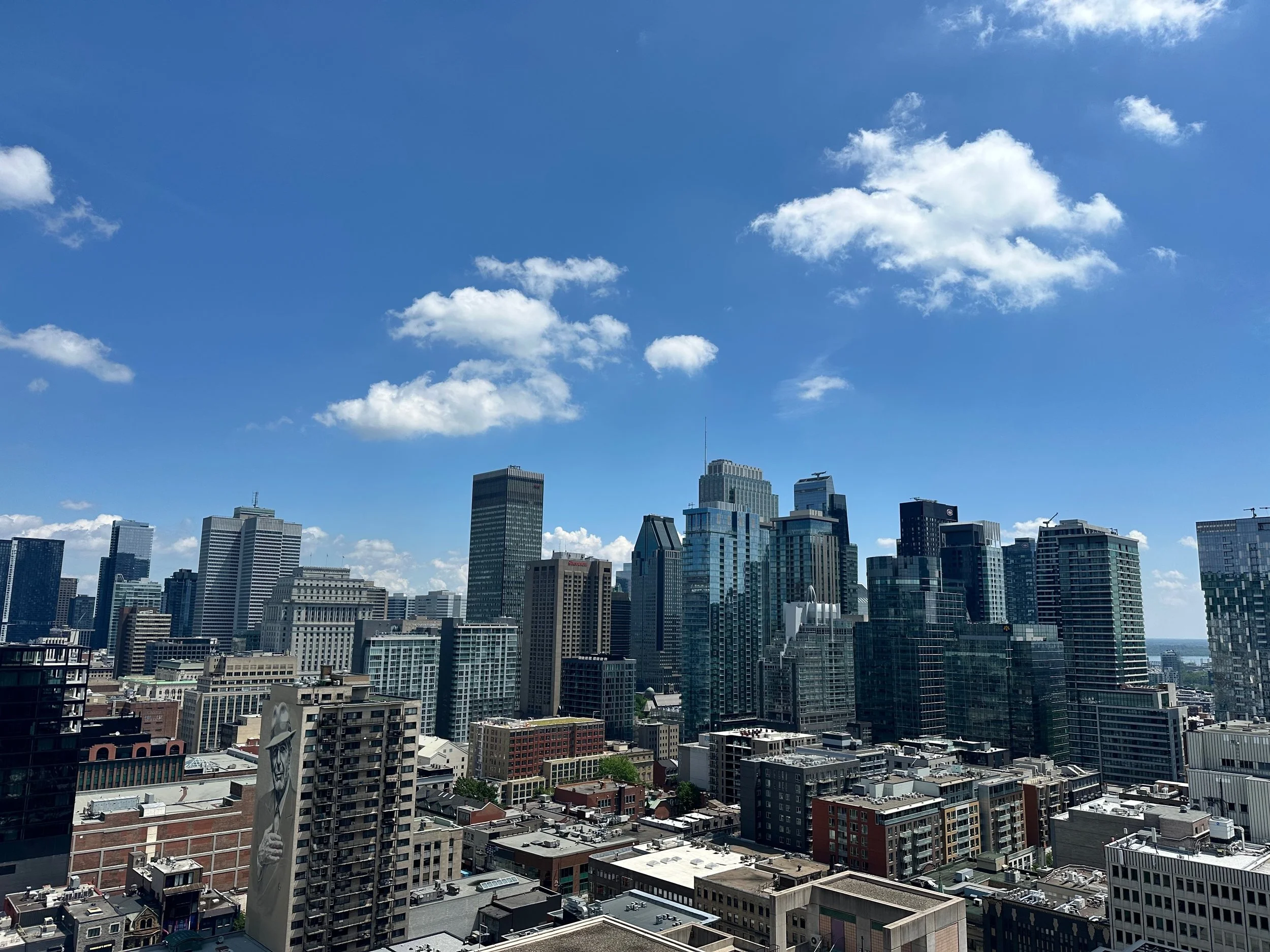
Montreal: Photography by Pippa Moyle, using a Sony RX100 VII from MPB
Mount Royal Park is one of the best places to create a pause within a Montréal city break.
We travelled by taxi to the main parking area and followed the short walk through the park to Kondiaronk Lookout. The panoramic view across Montréal is spectacular and gives you a much clearer understanding of the city’s scale.
From the lookout, you can walk back down towards Downtown or spend longer exploring the surrounding trails. Even a relatively short visit provides a welcome break from traffic, shops and busy streets.
The Lachine Canal is another option for walking or cycling, while the Old Port offers waterfront space within easy reach of central attractions. Montréal’s official tourism information also highlights its museums, public art, cultural events and outdoor spaces as central parts of the city experience.
Experience Urban Wellness at Bota Bota
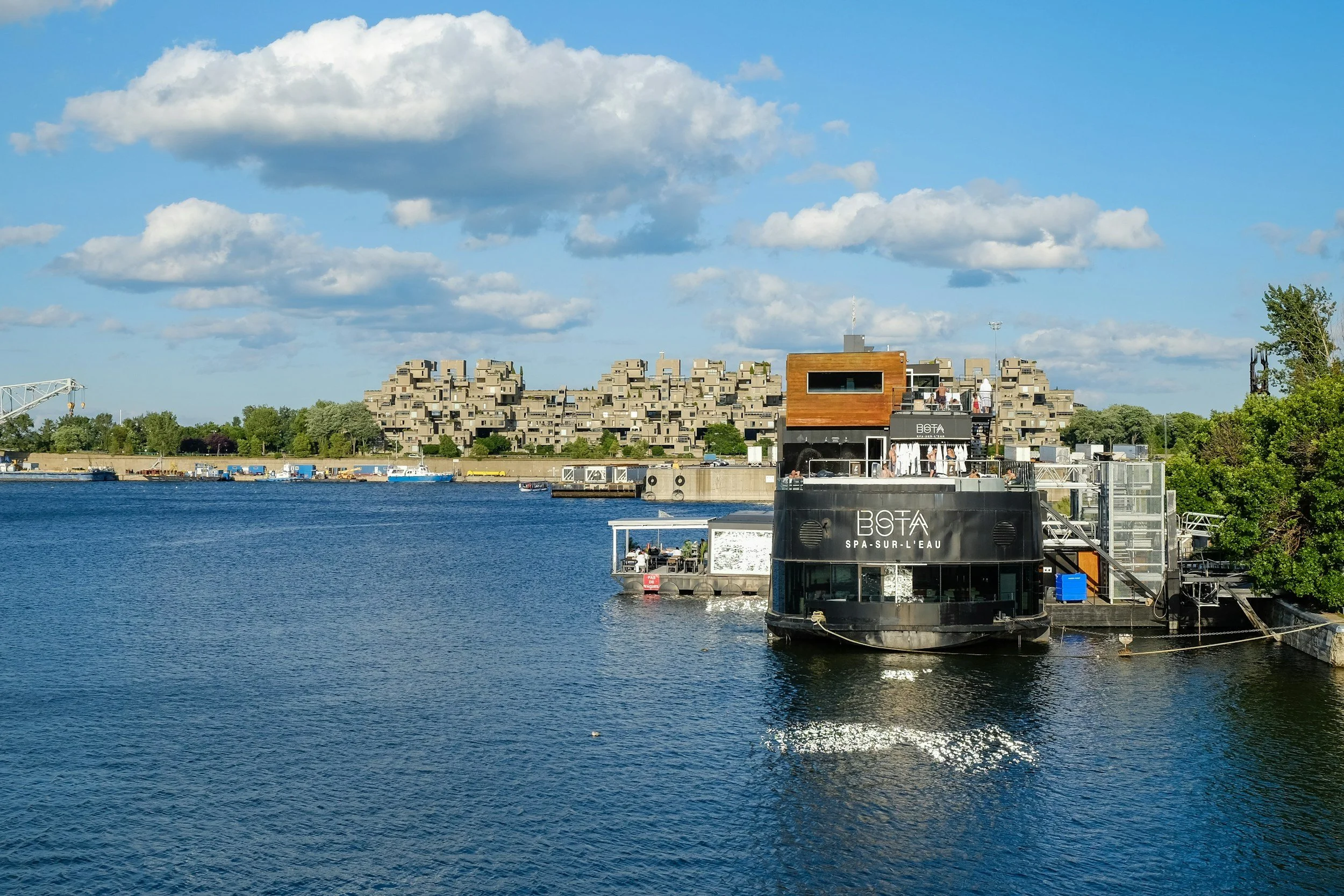
Photography by Pierre Jarry
Montréal also has its own distinctive take on the spa experience.
Bota Bota, Spa-sur-l’eau is moored in the Old Port across a collection of converted ships. Its thermal circuit includes pools, saunas, steam rooms and relaxation areas, with views across the water and towards the city skyline.
Where Nordik Spa feels like a retreat into the forest, Bota Bota allows you to relax while remaining firmly connected to Montréal. We loved sitting beside the pool with the skyline ahead of us; it made the city itself feel like part of the wellness experience.
It is particularly useful for a shorter city break because you don’t need to leave Montréal or sacrifice an entire day to reach it. You can explore Old Montréal in the morning, spend the afternoon at the spa and still head out for dinner that evening.
Balance Busy Days with Slower Experiences
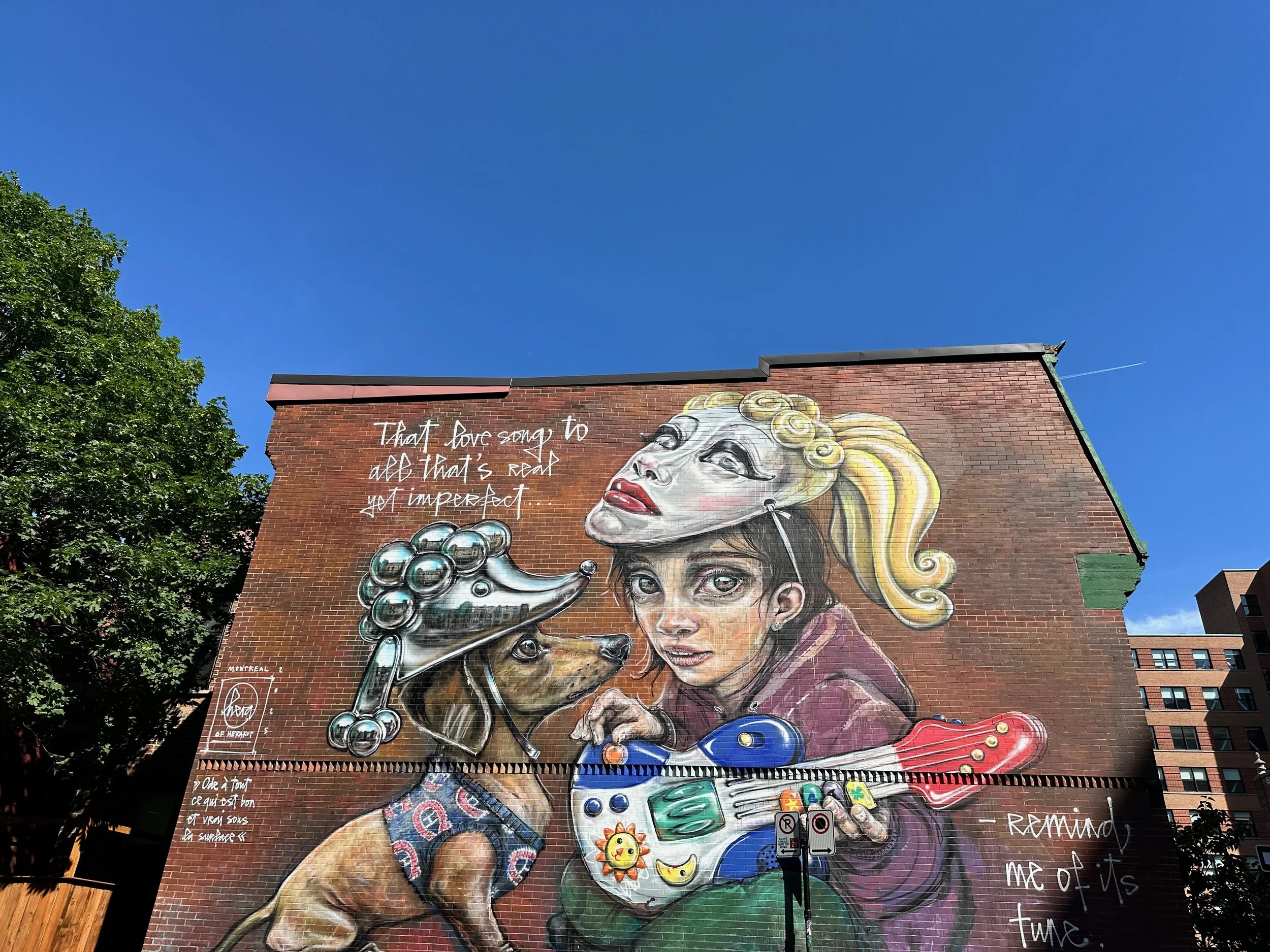
Top Tip: Wander around the murals in Little Italy
Some of our busiest Montréal days included a boat tour of the Old Port, lunch at Juliette Plaza, Jean-Talon Market, a guided mural walk and dinner at Larry’s. It was a brilliant way to experience the city’s food and creativity, but the most enjoyable itineraries also need space between the headline attractions.
A few simple choices can create a better balance:
Plan by neighbourhood. Combine Jean-Talon Market with Little Italy, or the Old Port with Old Montréal, rather than crossing the city repeatedly.
Choose one major activity per half-day. Leave enough time to enjoy the surrounding cafés, shops and streets.
Use parks and waterfronts as transitions. A walk beside the canal or through Mount Royal can provide a reset between museums and restaurants.
Treat meals as experiences. Montréal is a city where lunch or dinner deserves time rather than being squeezed into a gap.
Book some wellness time early. Once a spa session or slower morning is in the itinerary, it is less likely to be replaced by another attraction.
Our Montréal guide includes many more neighbourhoods, restaurants, markets, cultural attractions and places to stay.
More Places to Explore in Québec
Our time in Outaouais and Montréal only introduced us to a small part of the province. Québec has 22 tourism regions, and there are several places we would love to include in a future trip.
Québec City
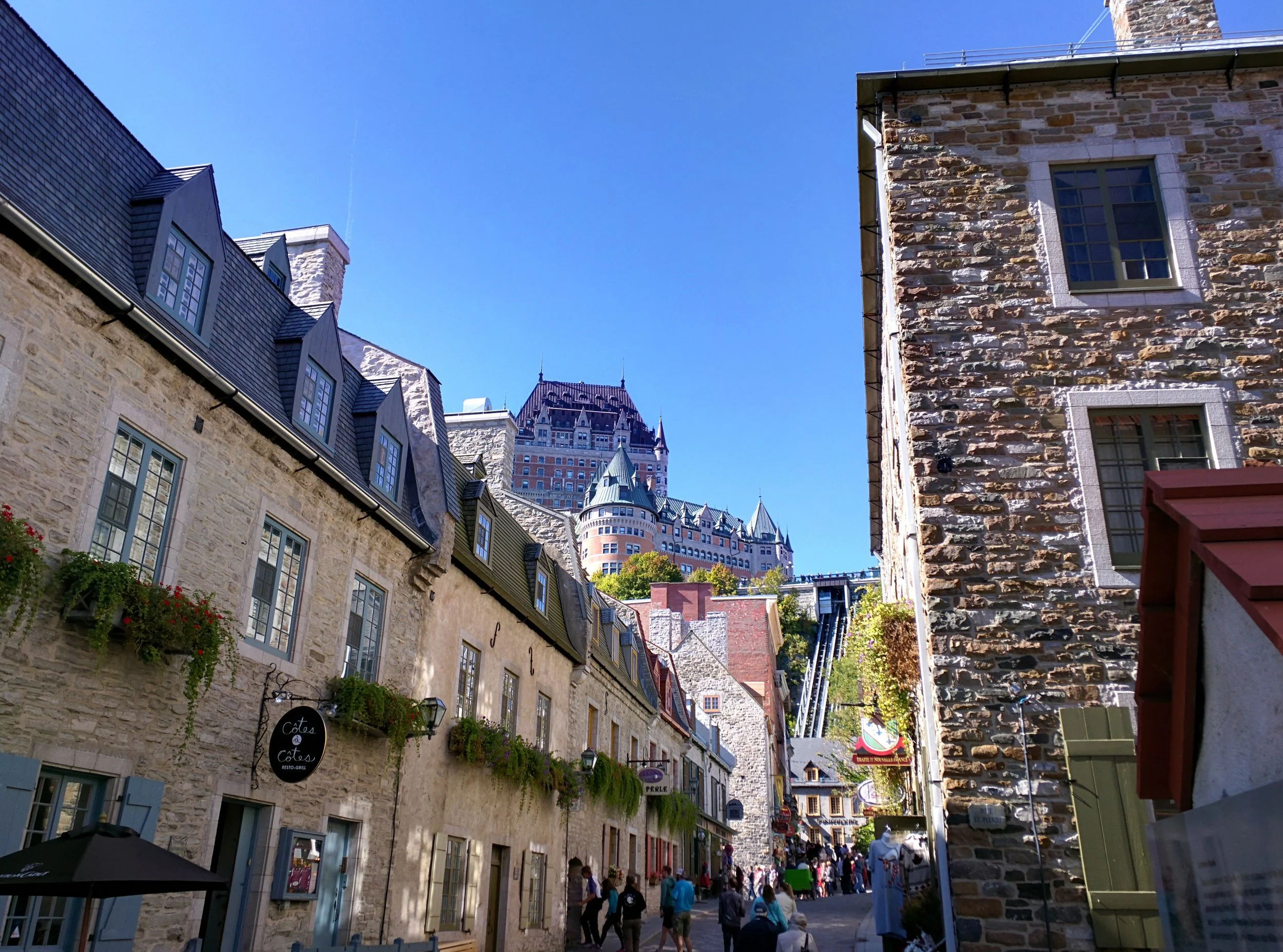
Région de Québec © GouvQc Denis Poulin
Québec City would be our first choice for a return visit, which you can also travel to with VIA Rail.
Old Québec is surrounded by approximately 4.6 kilometres of fortifications and is recognised as a UNESCO World Heritage Site. Its cobblestone streets, Château Frontenac backdrop, restaurants, terraces and small shops give it a strong historic and European character.
We would begin with Old Québec, Petit-Champlain, Place-Royale and the views from Dufferin Terrace before exploring beyond the centre.
The surrounding area also makes Québec City particularly suitable for a wellness-and-culture itinerary. Montmorency Falls is around 15 minutes from Old Québec, while Île d’Orléans offers a more rural, food-focused escape. Parc national de la Jacques-Cartier provides hiking, paddling and dramatic natural scenery within reach of the city.
Charlevoix
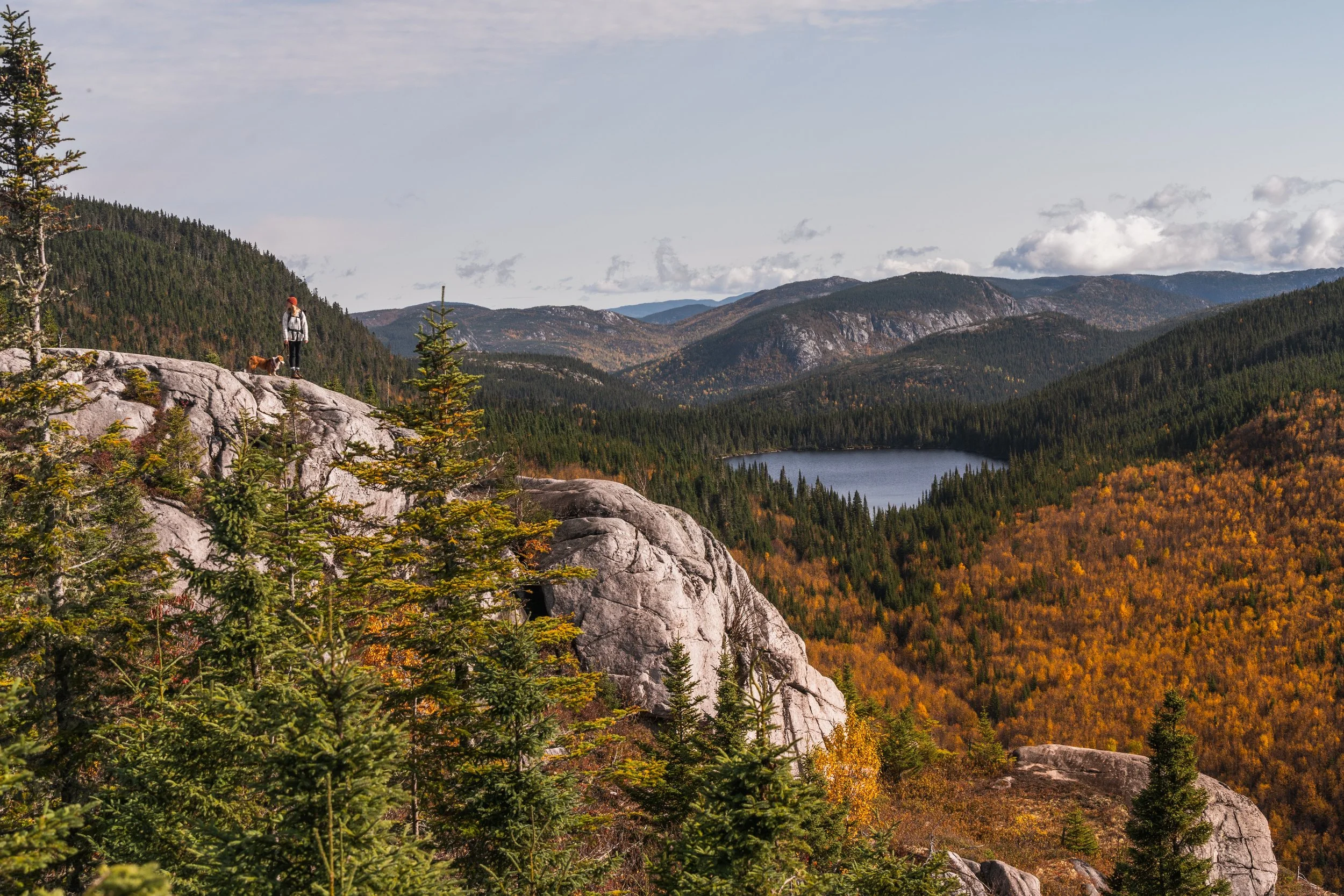
Charlevoix © GouvQc Olivier Langevin
Charlevoix is known for its natural beauty and restorative landscapes, making it a natural extension to a Québec City trip. We would visit for its mountains, riverside scenery, local food and slower pace. Bonjour Québec describes it as an ideal place to relax and re-energise, which sounds perfectly aligned with the kind of trip we experienced in Outaouais.
Laurentians
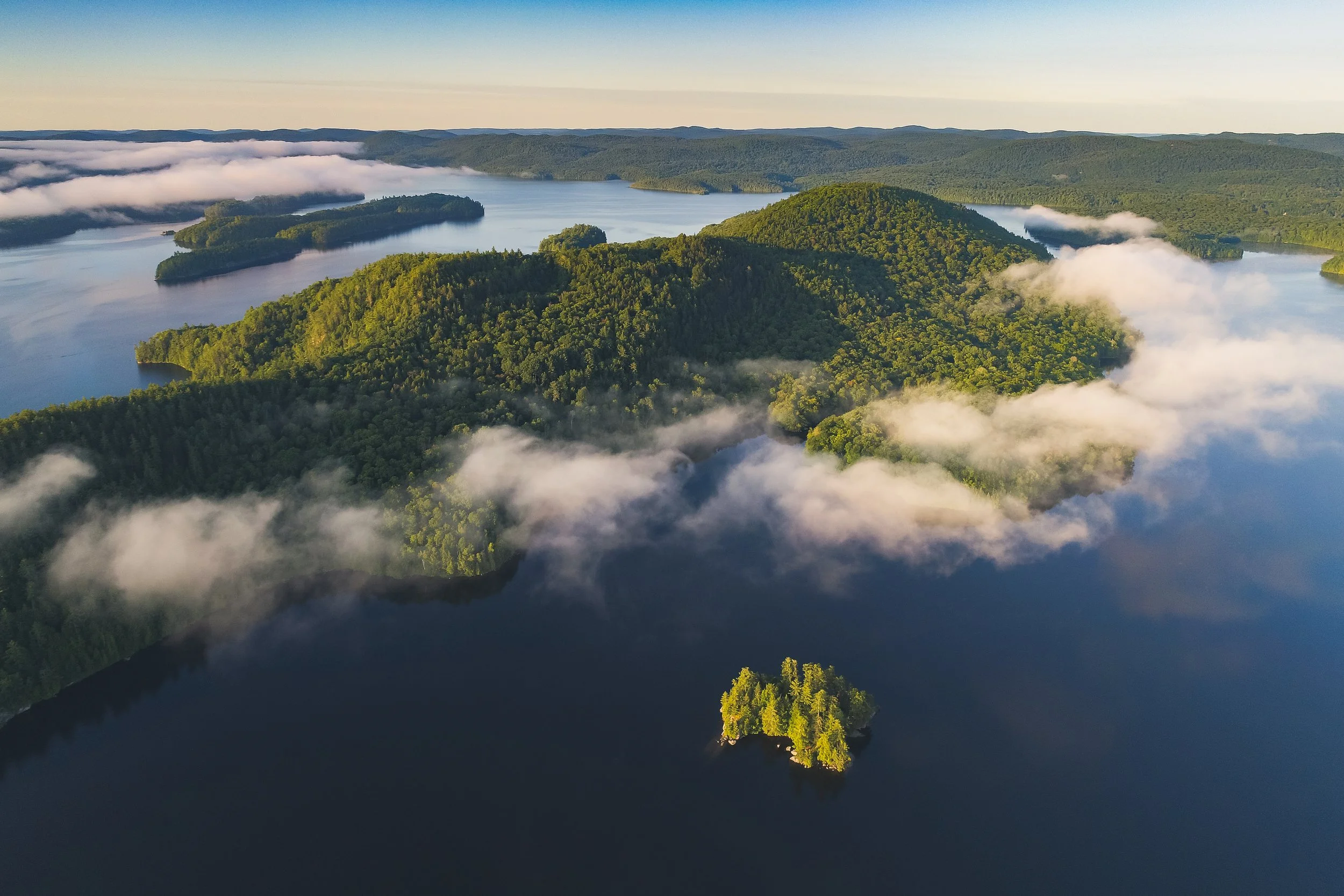
Laurentides © GouvQc Benjamin Rochette
North of Montréal, the Laurentians (or Laurentides in French) would offer another opportunity to combine a city stay with lakes, forests, mountain villages and outdoor activities.
It would work particularly well as an autumn escape, a winter wellness break or a few quieter days after Montréal.
Eastern Townships
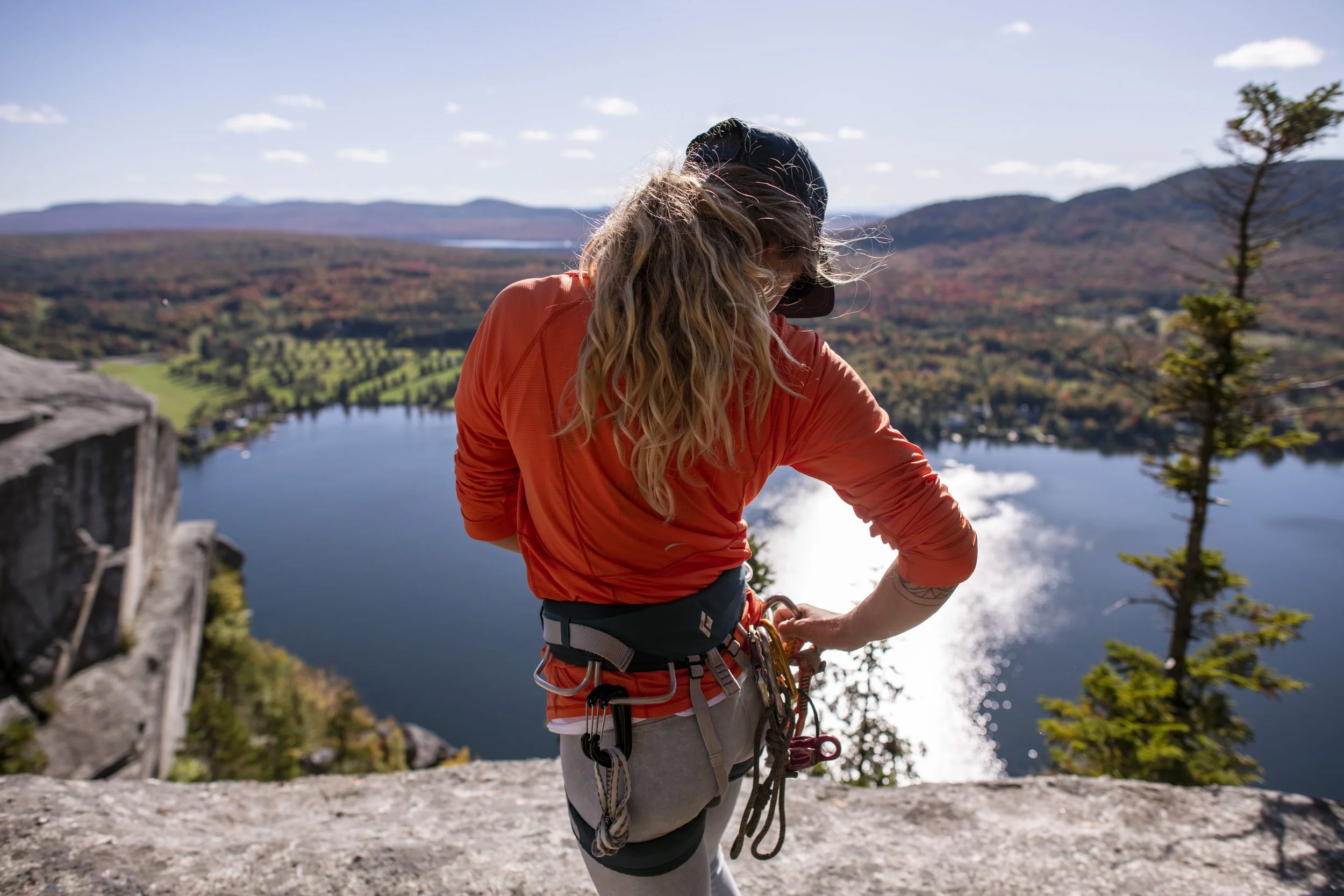
Cantons-de-l'Est © GouvQc Gaëlle Leroyer
The Eastern Townships appeal to us for their villages, food producers, vineyards, countryside and spa culture. It feels like the kind of region where the journey between stops would be as enjoyable as the attractions themselves.
Saguenay–Lac-Saint-Jean
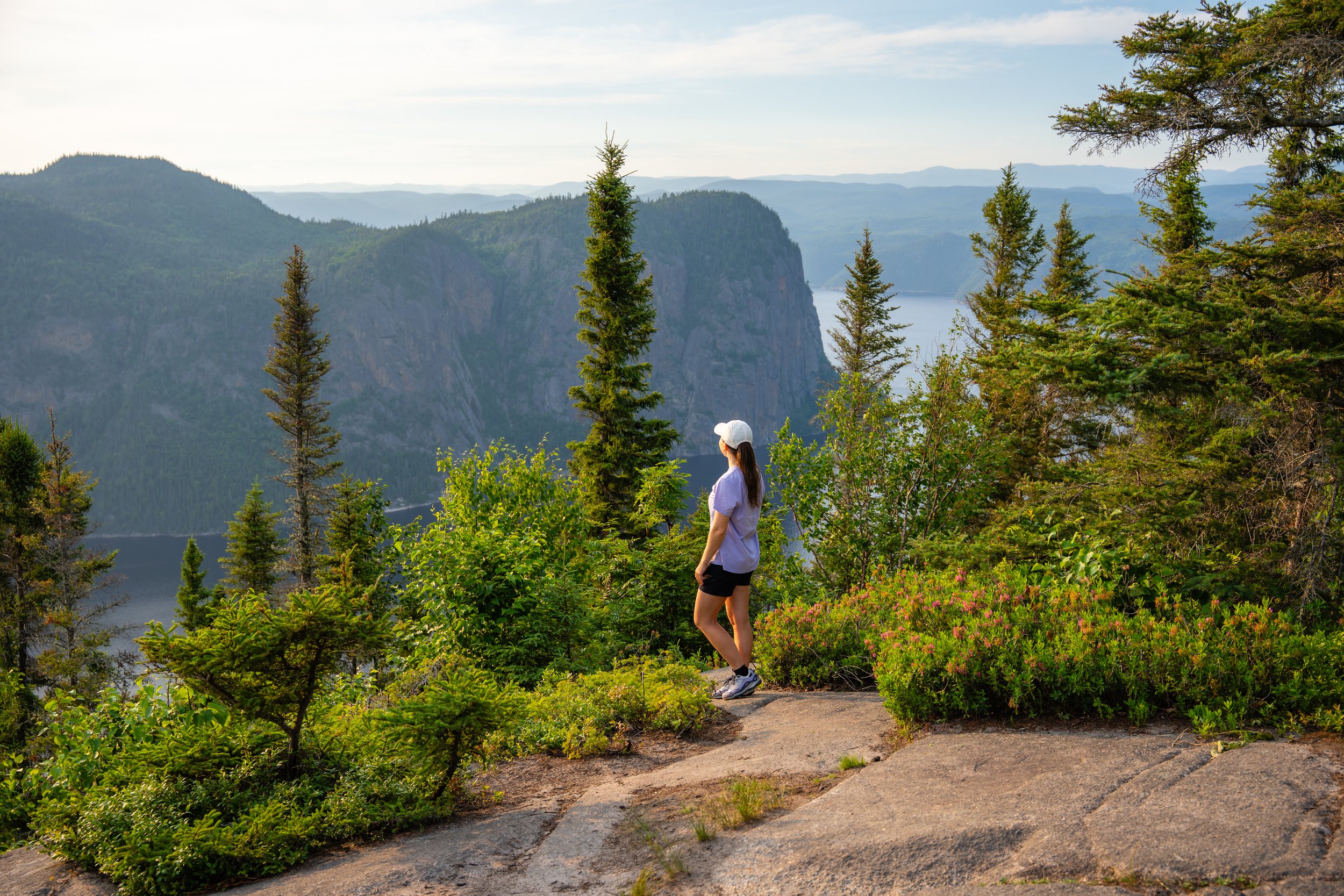
Saguenay-Lac-Saint-Jean © GouvQc Samuel Angers
For a more nature-led adventure, Saguenay–Lac-Saint-Jean would bring fjord scenery, expansive lakes and opportunities for hiking, cycling and time on the water.
Gaspésie
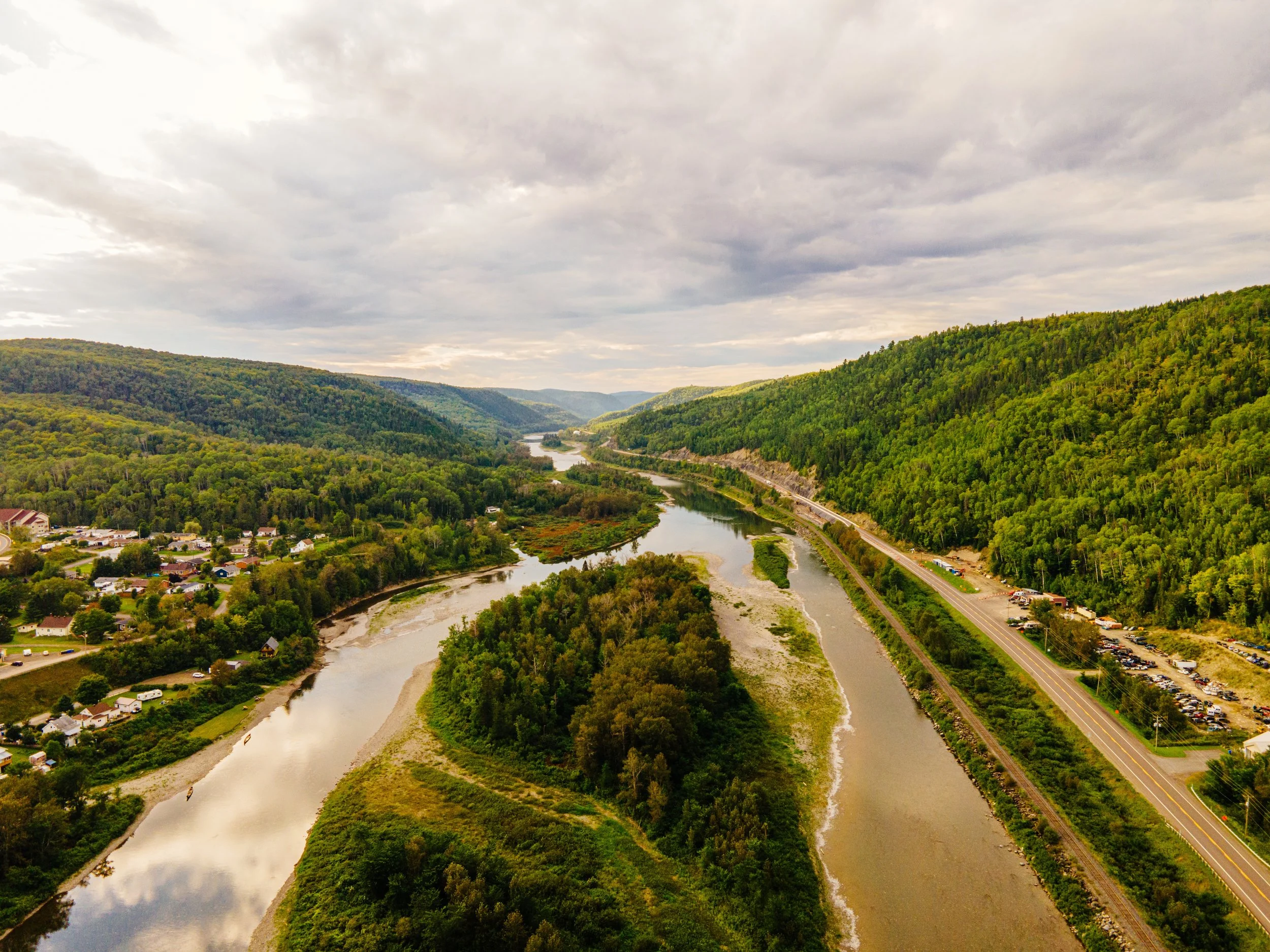
Gaspésie © GouvQc Jean-François Frenette
Gaspésie sits firmly on our longer Québec wish list. Its coastal roads, mountains, national parks and maritime communities would suit a slower road trip with plenty of scenic stops.
Getting to Québec from the UK
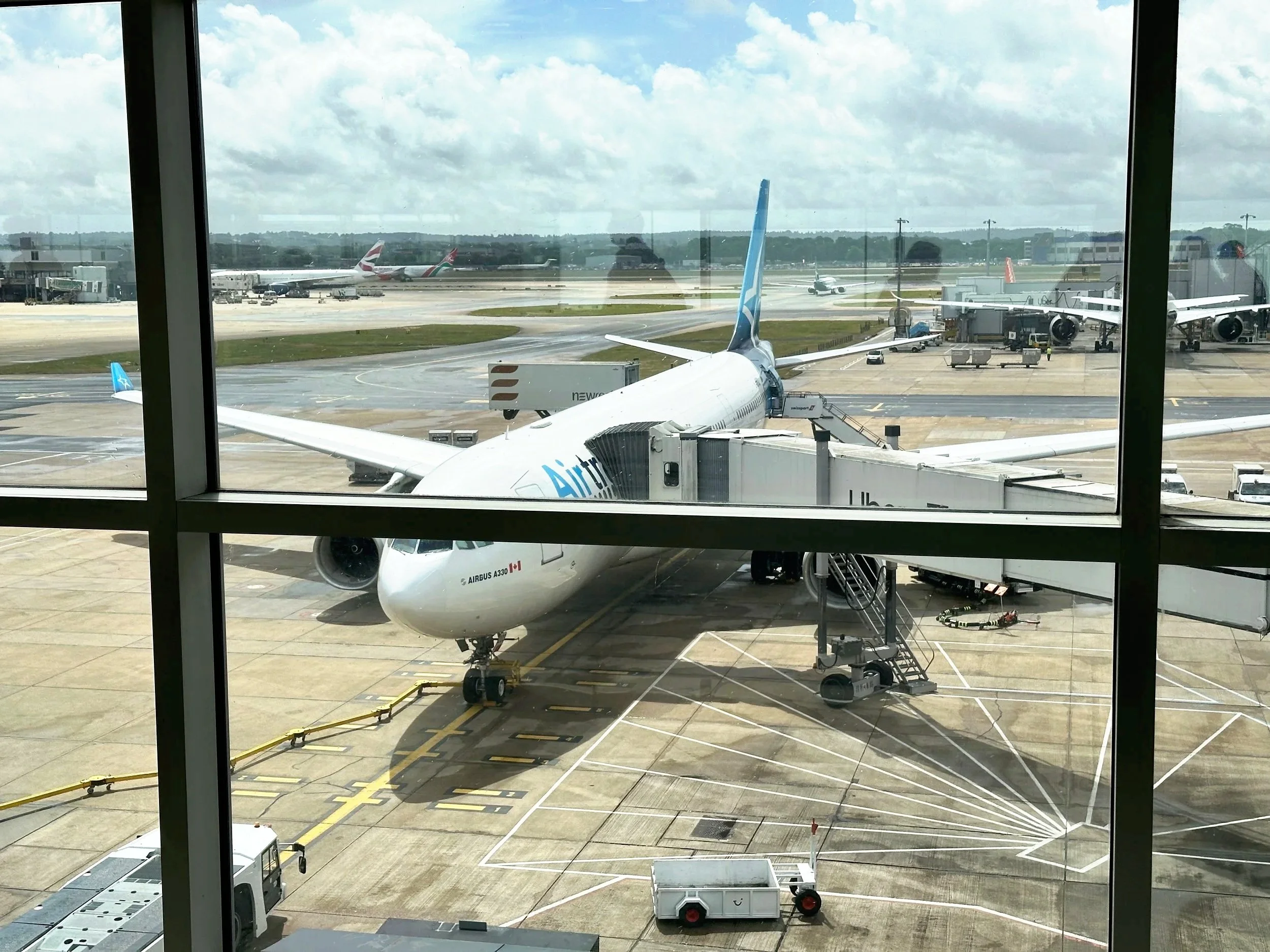
Air Transat operates direct services from London Gatwick to Montréal and Ottawa, with connections via Toronto from Manchester and Glasgow, making the cities a practical starting or finishing point for a wider journey through Québec.
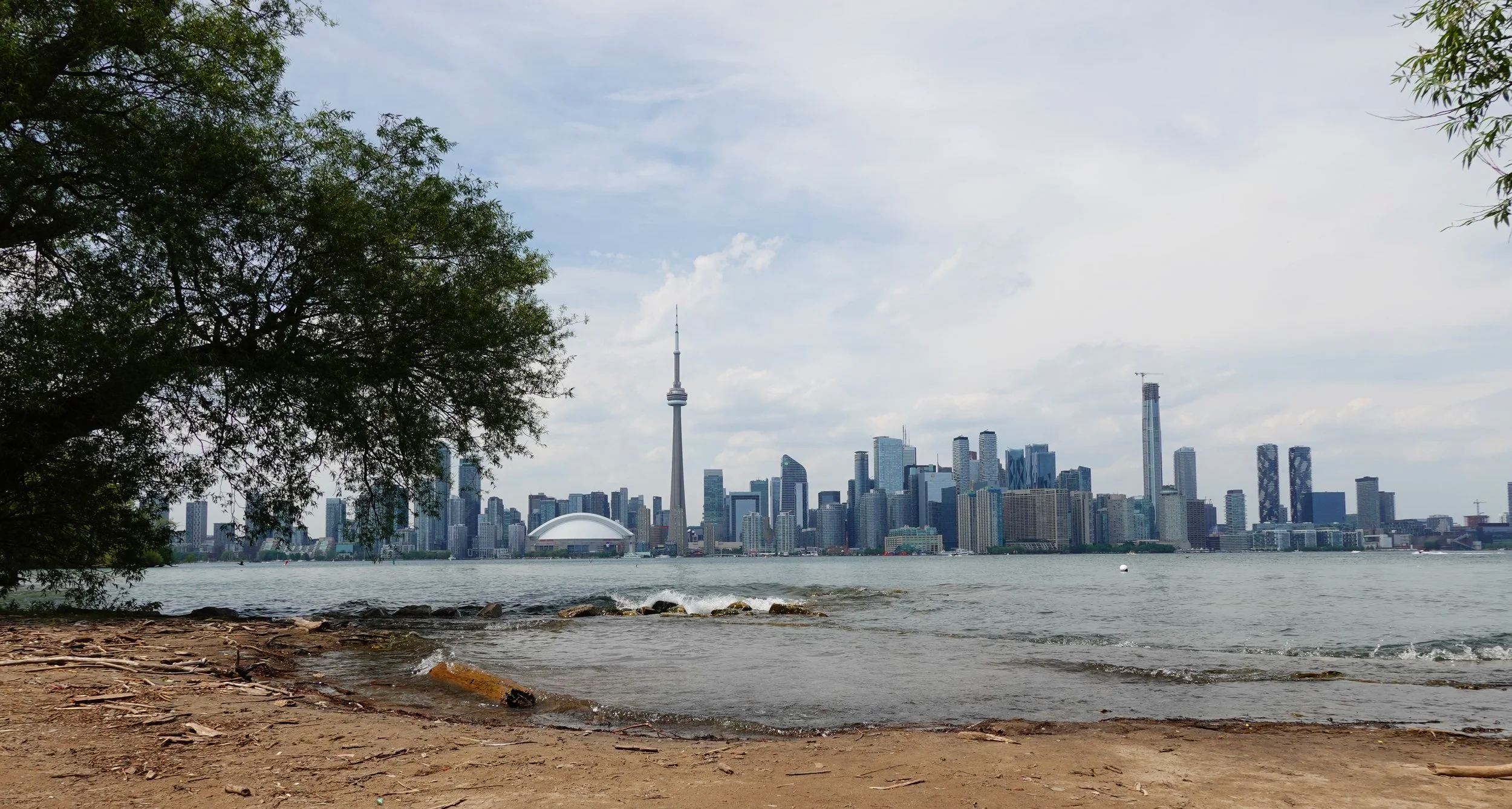
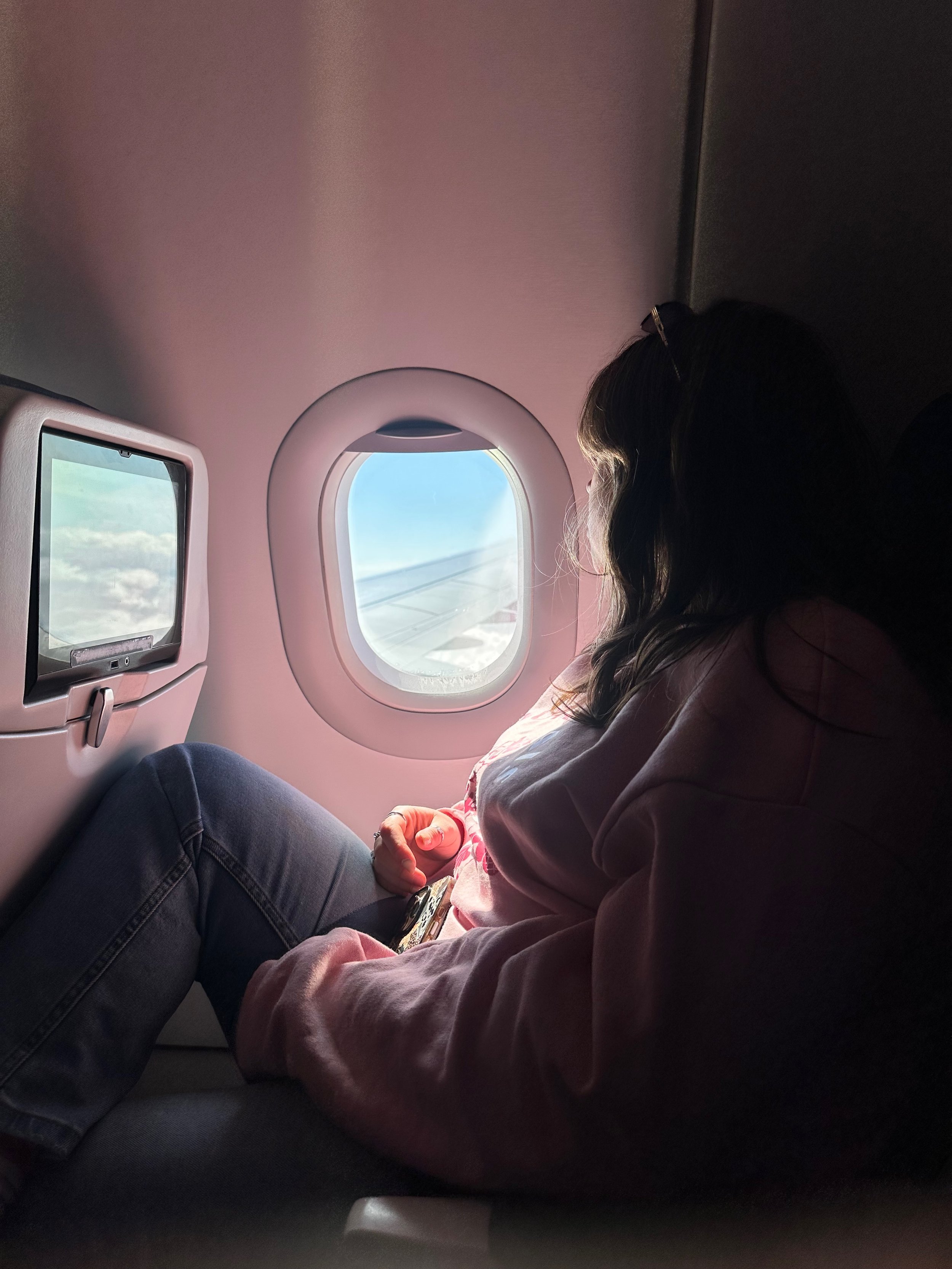
We flew into Toronto and returned directly from Montréal to London Gatwick. This open-jaw route allowed us to continue travelling east through Canada without retracing our journey, finishing the trip in Montréal after visiting Toronto, Ottawa and Outaouais.
Final Thoughts
Outaouais and Montréal may appear to offer two very different versions of Québec, but they complement each other beautifully.
Outaouais encouraged us to slow down through forest scenery, cycling, village life, local food and an unforgettable spa evening. Montréal brought us back into the energy of the city through markets, murals, museums, terraces and exceptional restaurants, while still making room for parks, waterfront walks and urban wellness.
The result was not a holiday split between “busy” and “relaxing” destinations. It was a trip where the two experiences continually overlapped.
That may be Québec’s greatest strength: you can explore somewhere new, fill your days with culture and food, and still return home feeling as though you have genuinely had time to breathe.
This article was created in partnership with Air Transat as part of the City Girl Guide to Canada, with support from Bonjour Québec, Tourisme Outaouais and Tourisme Montréal.