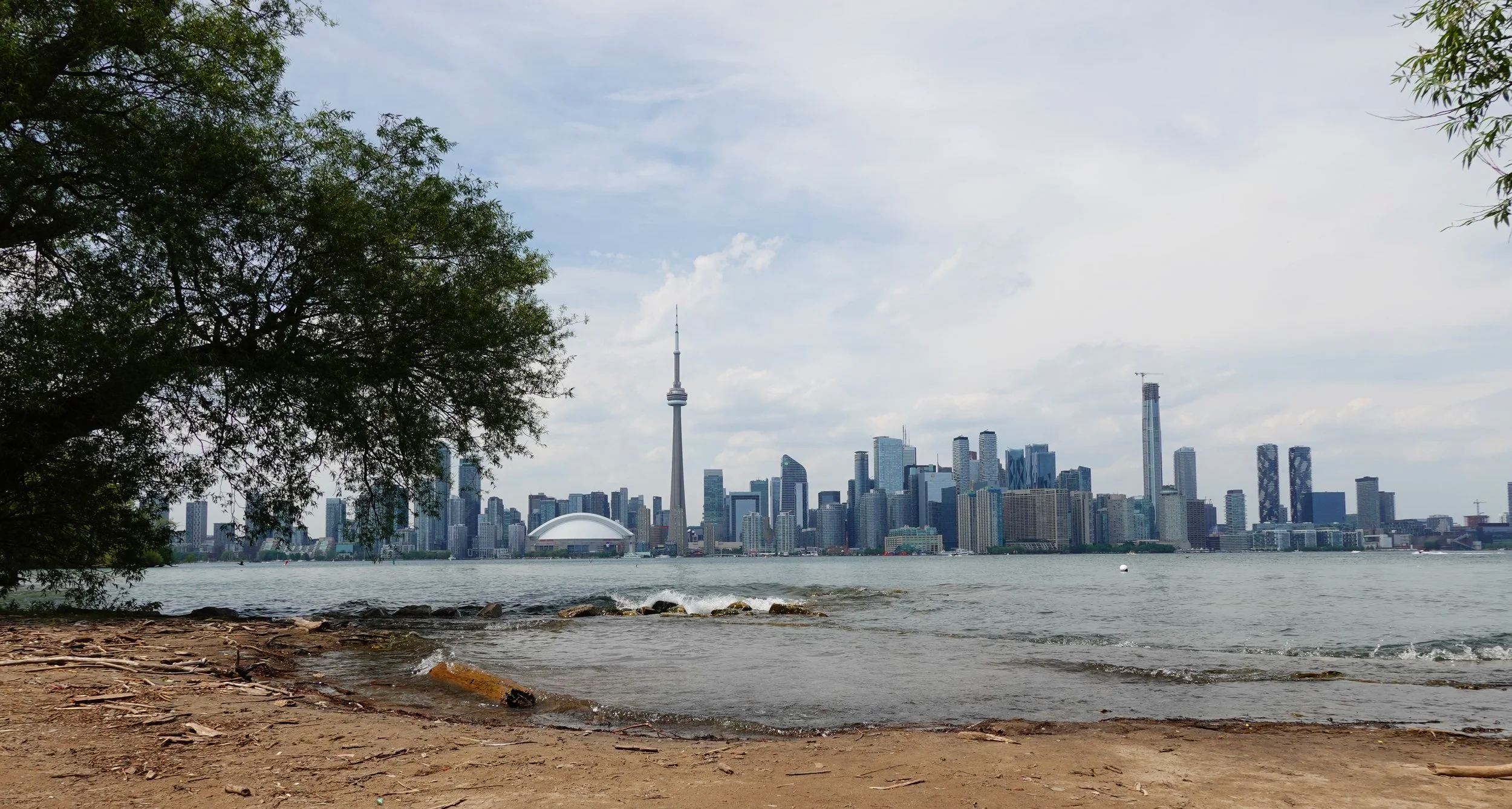
Foodie Guide from Toronto to Montréal: Canadian Cuisines You Have to Try
One of the best ways to understand Canada is to eat your way through it. Not in a checklist way, but in a slow, curious, order-one-more-thing-for-the-table kind of way. On our journey from Toronto to Montréal with Air Transat, food became the thread that connected every destination. We wandered through bustling markets, discovered neighbourhood restaurants, sampled iconic Montréal bagels, artisan chocolate, French-inspired Québécois dishes and cosy pubs, with each stop offering a taste of the local culture alongside the scenery.
This isn't a definitive guide to Canadian cuisine, because Canada is far too vast and diverse for that. Instead, it's a first-timer's foodie journey through Toronto, Ottawa, Outaouais and Montréal, built around the meals and places that left a lasting impression. Whether you're lingering over lunch with a view, picking up local treats at a market or discovering a hidden gem recommended by locals, these are the experiences that transform a great itinerary into an unforgettable one.
Canadian Cuisine you HAVE to try from Toronto to Montréal
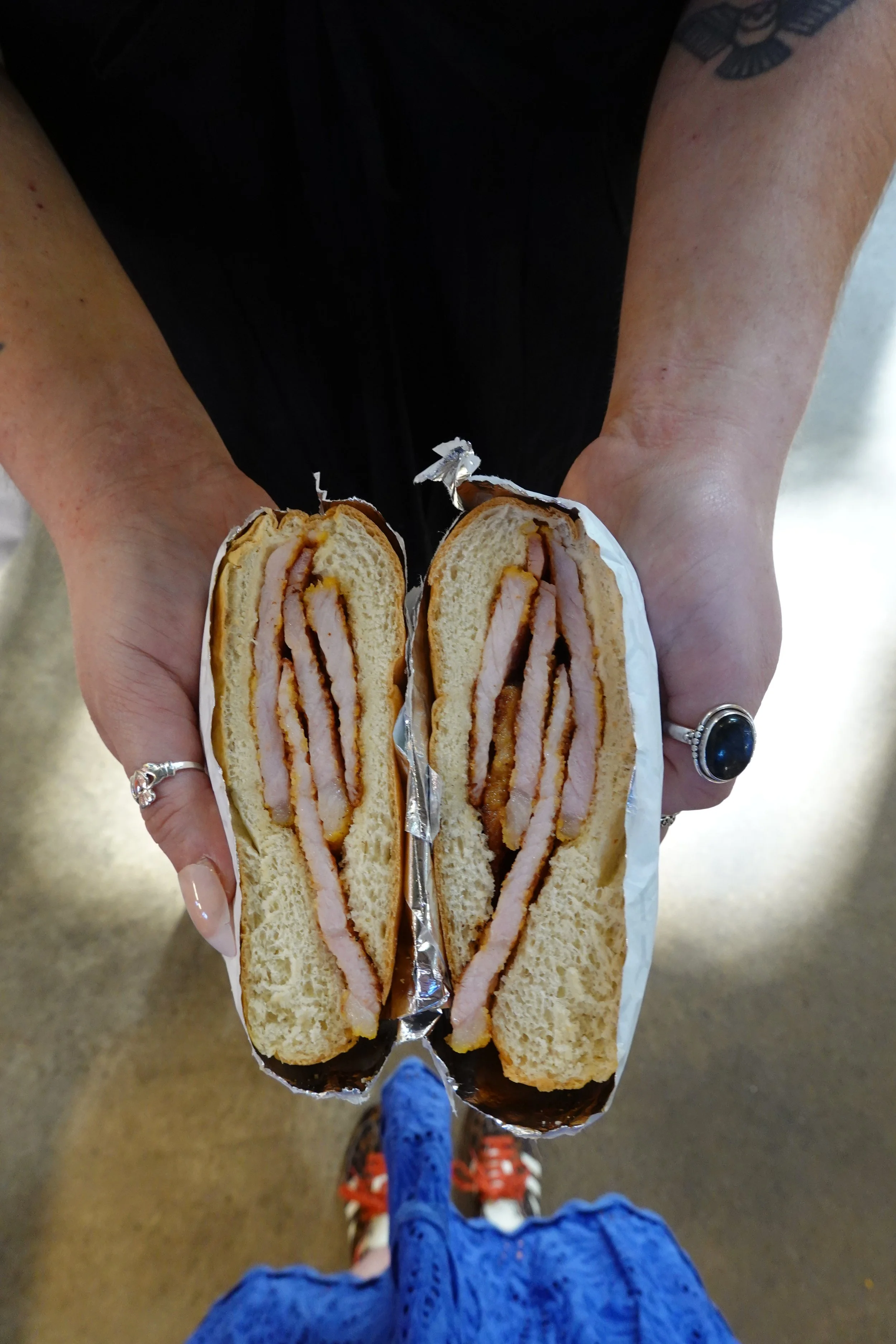
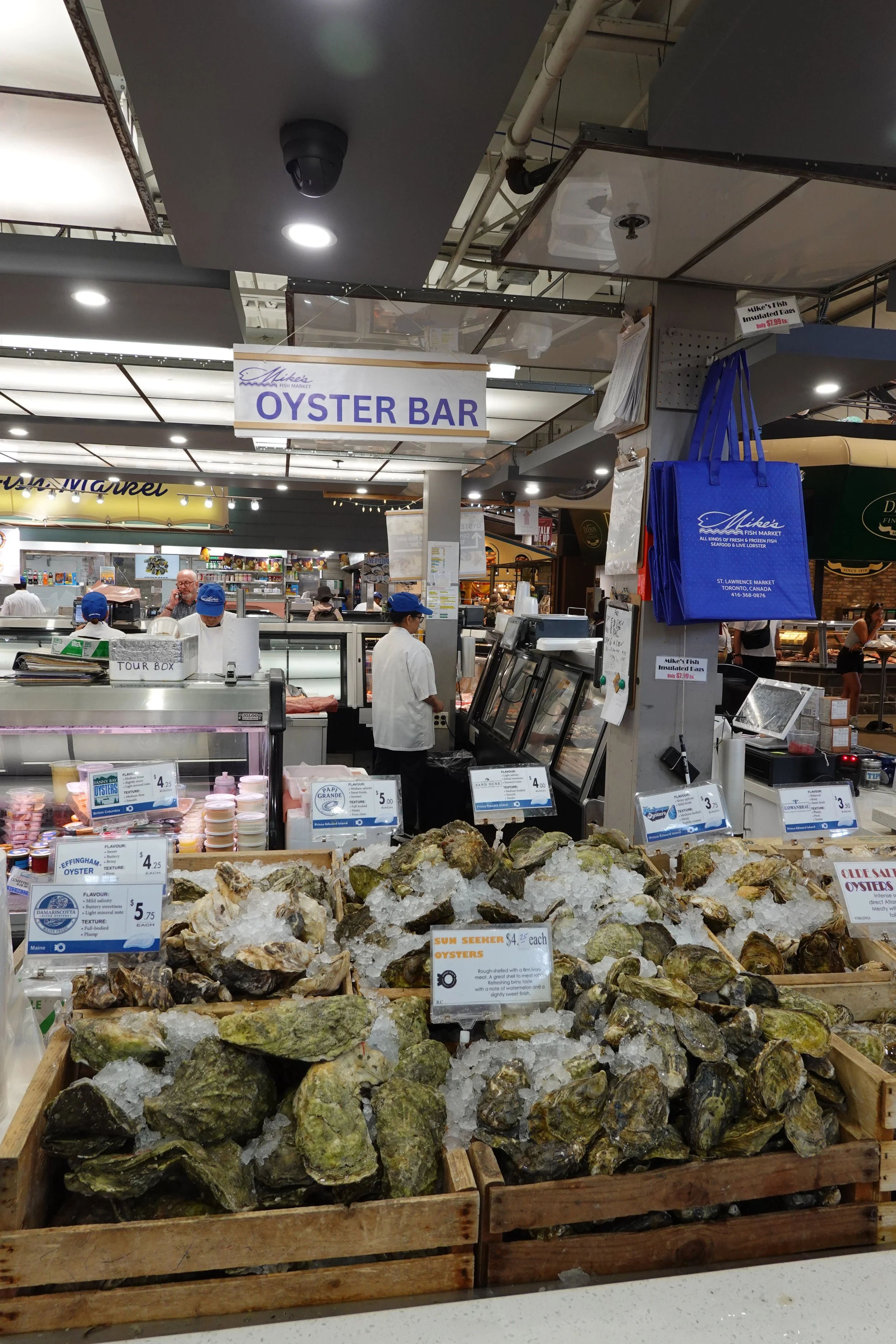
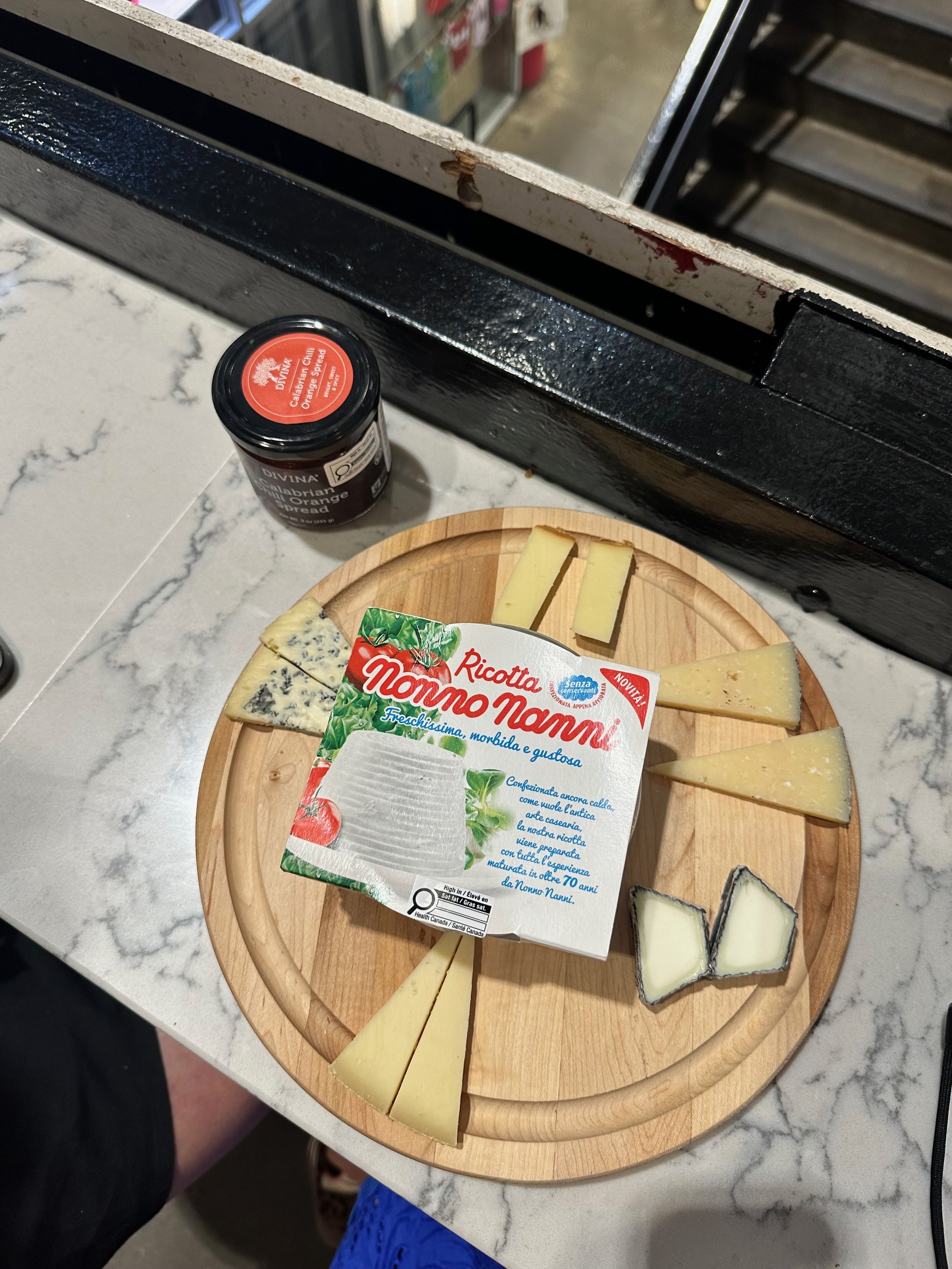
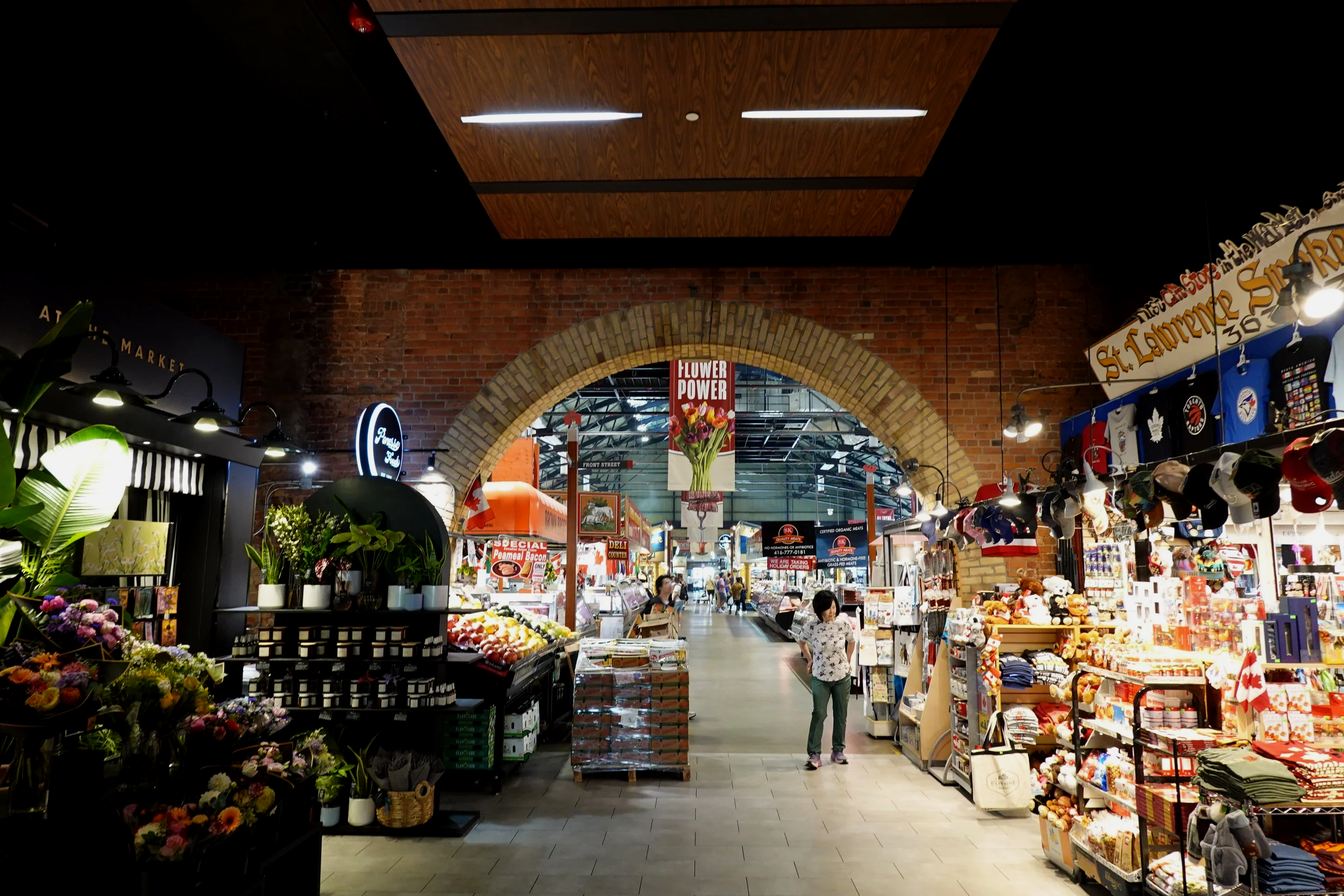
St Lawrence Market: Photography by Pippa Moyle, using a Sony RX100 VII from MPB
Peameal bacon sandwich: Toronto’s most famous local dish, usually served on a soft bun with mustard.
Canadian oysters: Toronto restaurants and markets commonly serve oysters from Prince Edward Island and Canada’s Atlantic coast.
Québec cheeses: The province produces excellent soft, washed-rind, blue and raw-milk cheeses.
Butter tarts: Small pastry cases filled with a rich, buttery sugar filling. It’s one of Ontario’s best-known desserts.
Tourtière: A traditional Québécois meat pie, generally filled with seasoned minced pork, beef or veal.
Poutine: Chips topped with fresh cheese curds and hot gravy; Québec’s most internationally famous comfort food.
Nanaimo bars: A no-bake Canadian slice with a biscuit and coconut base, custard-style centre and chocolate topping
Maple-glazed or maple-smoked dishes: Maple syrup appears in everything from breakfast dishes to salmon, bacon and desserts. You should also try Maple Taffy too (boiling maple syrup poured onto clean snow or ice).
BeaverTails: Made famous at Ottawa’s ByWard Market, these sweet treats are warm, hand-stretched fried dough, covered with toppings ranging from classic cinnamon sugar to maple and chocolate.

The best ways to explore Canadian Cuisines from Toronto to Montréal
Start in Toronto with a market
Photography by Pippa Moyle, using a Sony RX100 VII from MPB
In Toronto, begin at St. Lawrence Market. It is one of the easiest ways to get a sense of the city through food, especially if you join a tour with a local context. We joined the Culinary Adventure Co Tour led by the brilliant Kevin and sampled some of the delicacies and fresh produce from St Lawrence Market, whilst learning all about the history.
Look out for peameal bacon, local cheeses (especially the Québec goat’s cheese), charcuterie, oysters, baked goods and the rhythm of vendors setting up for the day. A particular favourite of ours was the Ice Wine.
Markets are useful when you are new to a city because they remove the pressure of picking one perfect dish. You can taste a little, ask questions and get a feel for what locals actually eat.
Add chocolate and neighbourhood dining
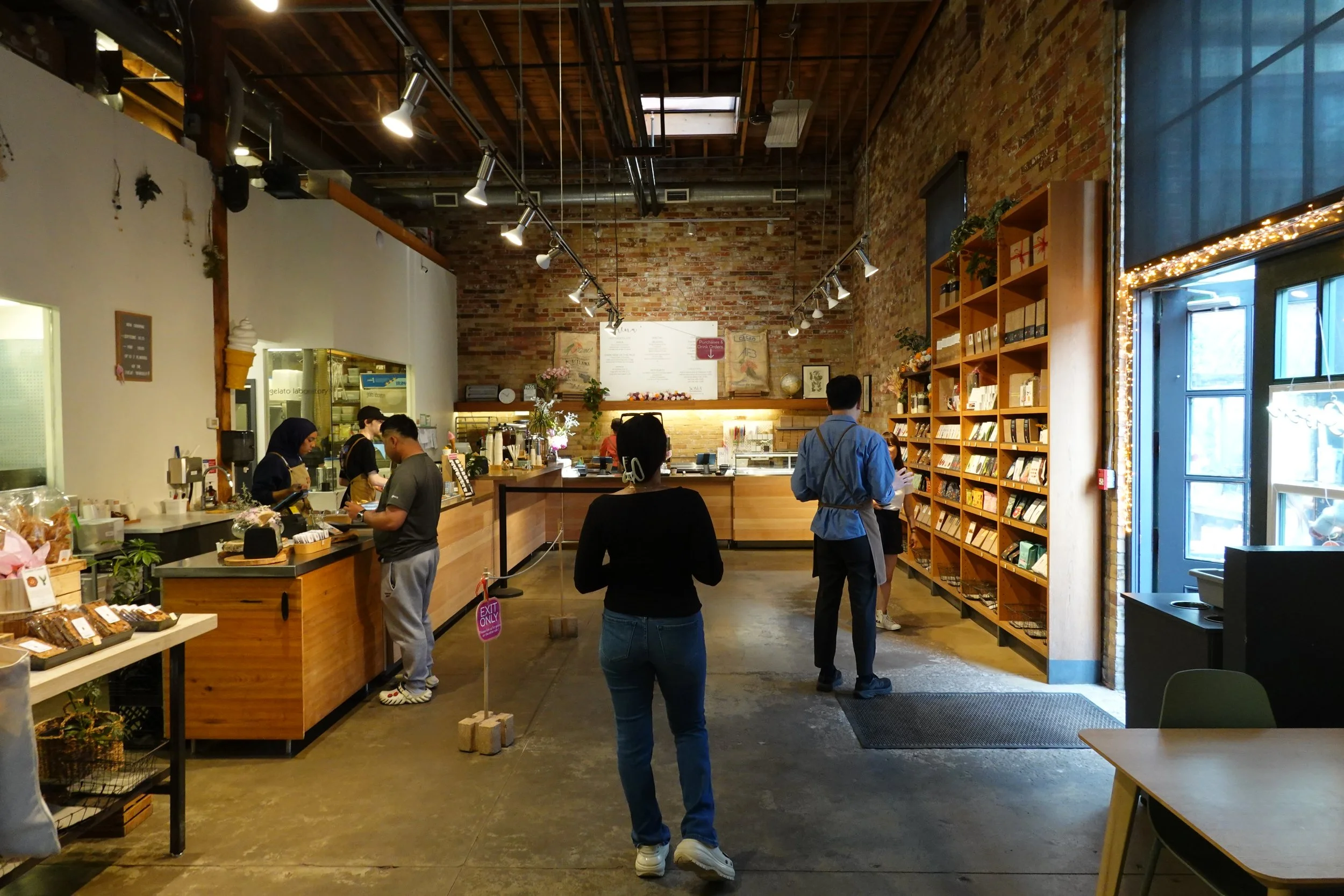
SOMA Chocolatemaker: Photography by Pippa Moyle, using a Sony RX100 VII from MPB
The Distillery District gives you a different kind of food stop. SOMA Chocolatemaker is a must if you love bean-to-bar chocolate, truffles or rich drinking chocolate. It also makes an excellent place to pick up gifts, and we ended up getting some unique chocolate to take home with us.
For restaurants, Toronto is all about range as there is so much to try. Grey Gardens in Kensington Market gives you seasonal ingredients, seafood and handmade pasta in a relaxed wine-bar setting. Conejo Negro in Little Portugal brings Creole, Caribbean and Latin flavours into a lively neighbourhood dining room. The joy of Toronto is that one day can take you from market classics to contemporary global cooking without it feeling forced. For a lunch stop, try El Catrin Destileria for something light but delicious.
Don’t skip the festival food
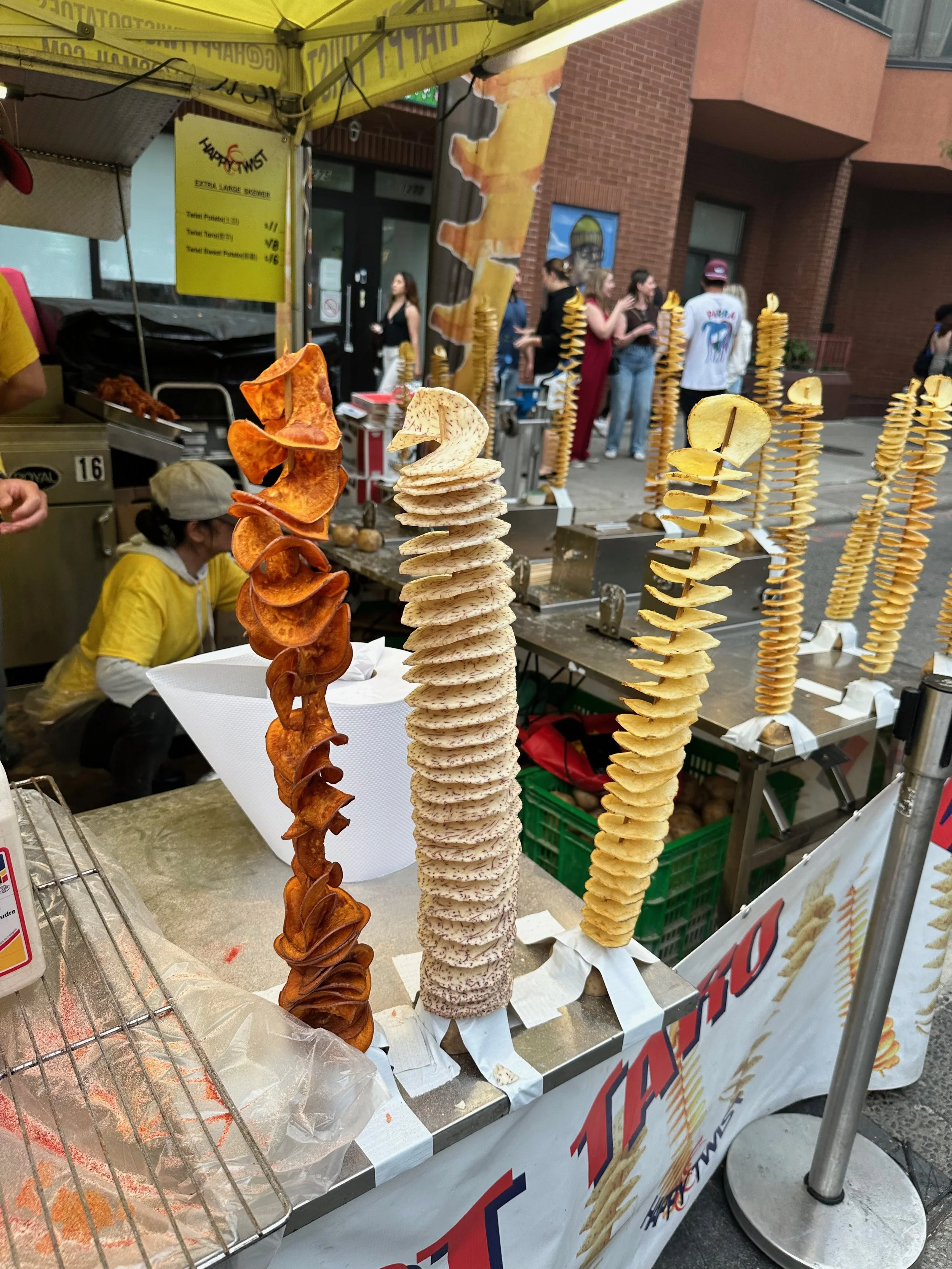
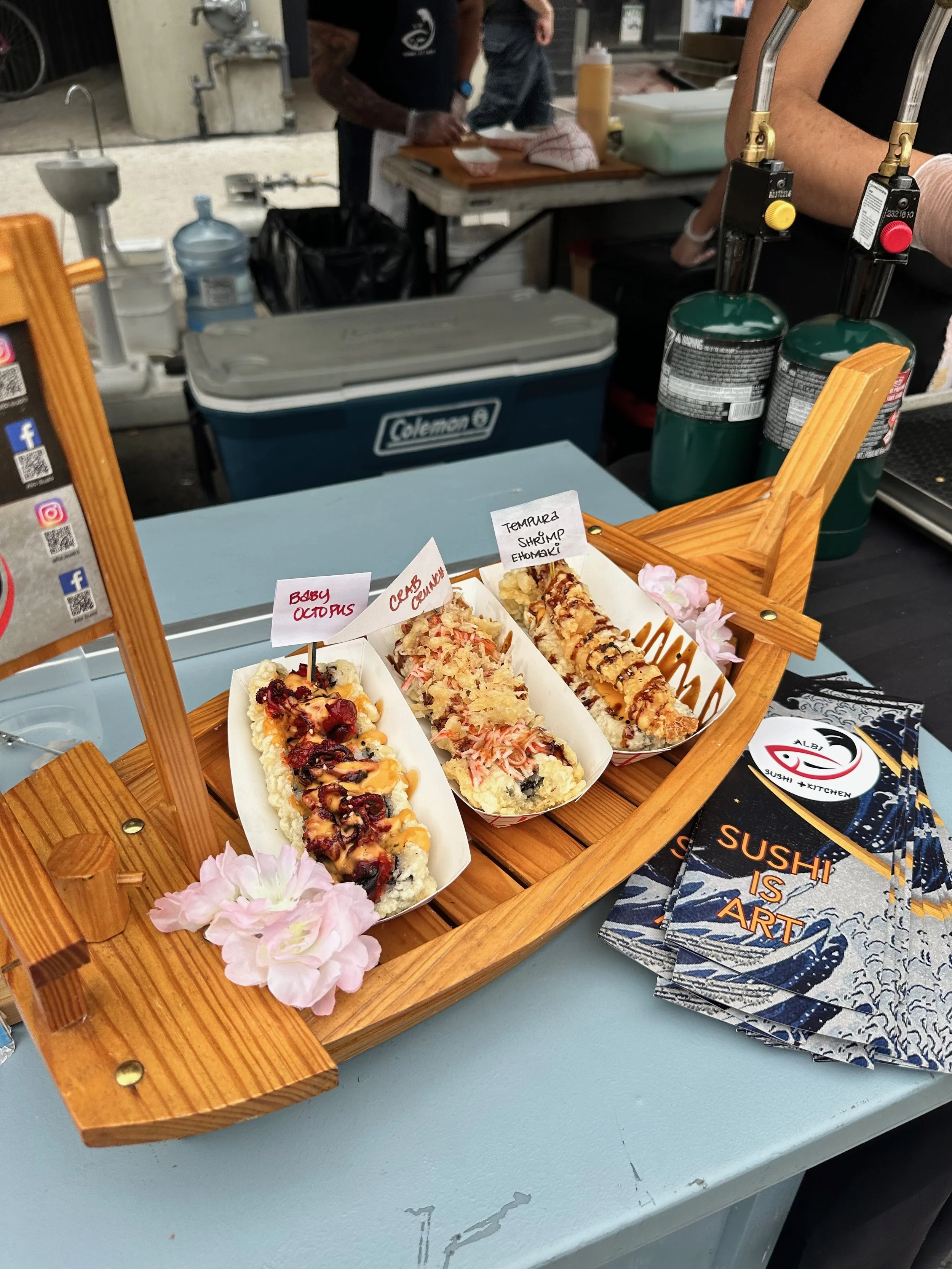
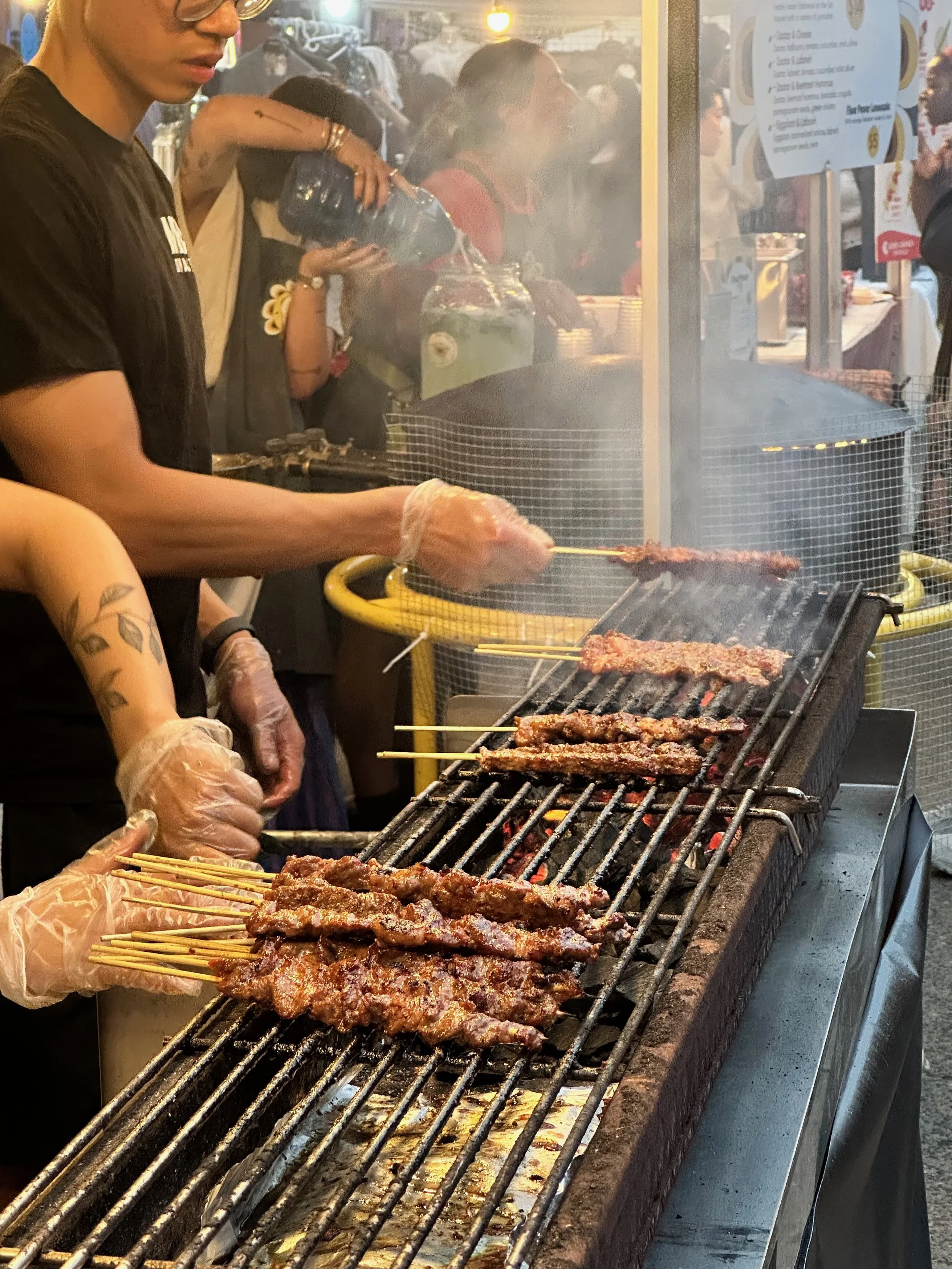
If your visit lines up with a street festival such as Do West Fest, go hungry. Food vendors, pop-up stalls, bustling patios and neighbourhood restaurants all become part of the experience, creating a lively atmosphere that spills out onto the streets. It's the perfect opportunity to try a little bit of everything while exploring one of Toronto's most creative neighbourhoods.
Street Festival food that caught the most attention included skewers of meat cooked over the BBQ, roast corn, tornado potatoes and tacos.
Try bagels in Outaouais

Photography by Pippa Moyle, using a Sony RX100 VII from MPB
Moving into Québec, bagels become part of the story. Bobino Bagel in Gatineau is a bright, local stop near the Canadian Museum of History, serving Montréal-style bagels, coffee and sweet treats. It is an easy lunch moment that shows how food does not always need to be formal to be memorable.
The best travel meals are sometimes the ones that come at exactly the right point in the day: after a museum, before a scenic drive, when you are ready to sit down and refuel.
Make room for Québec cooking
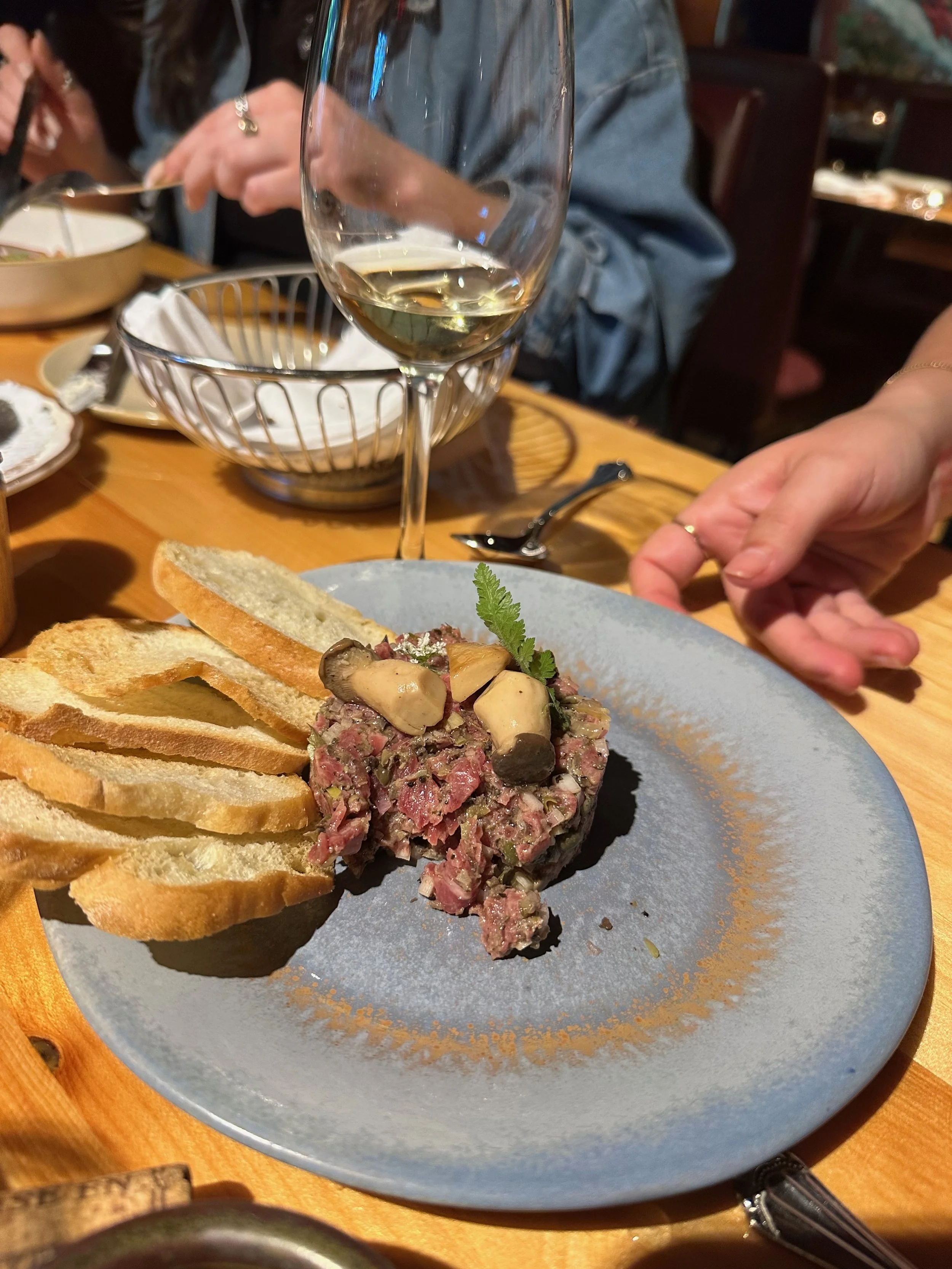
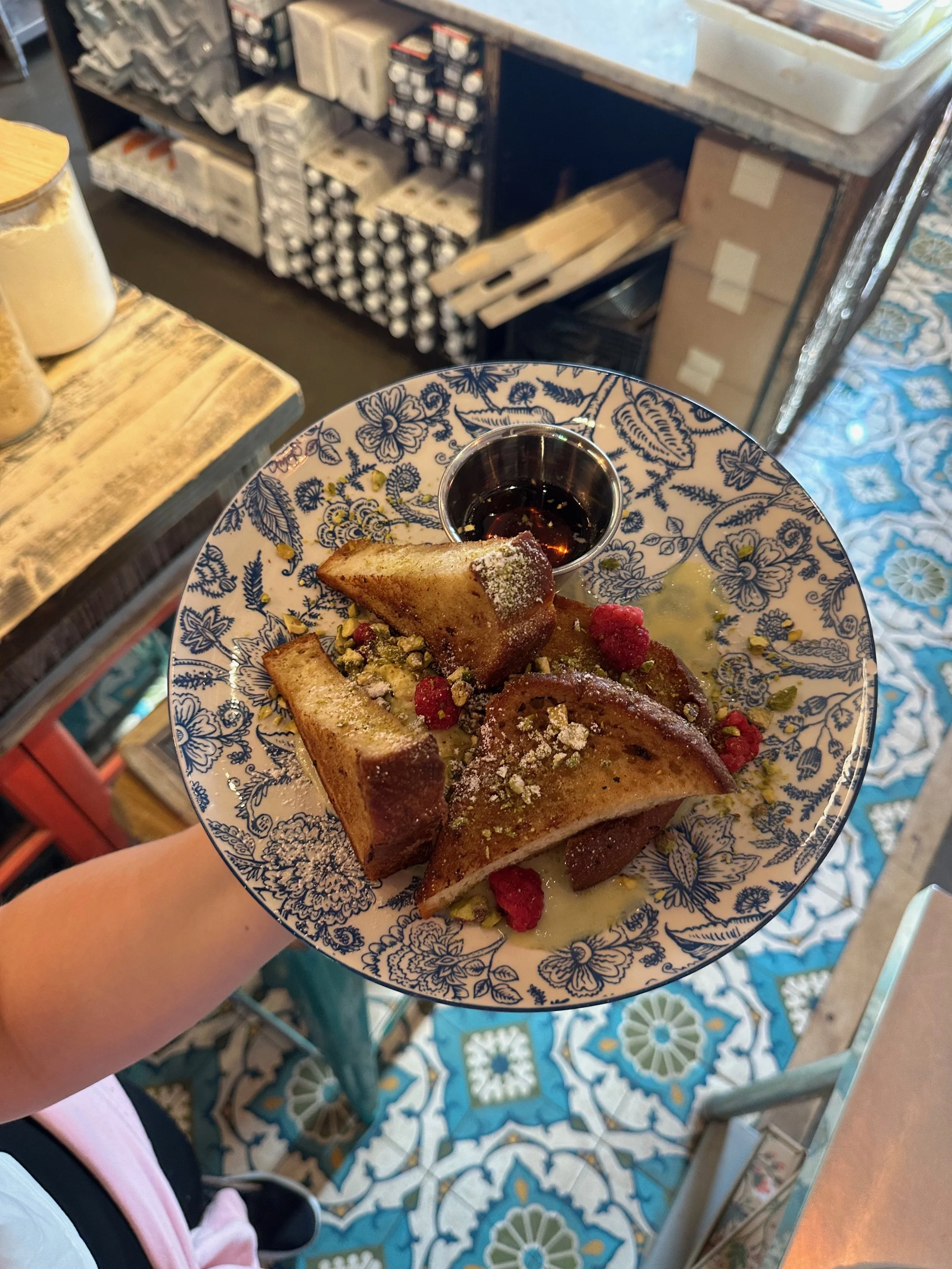
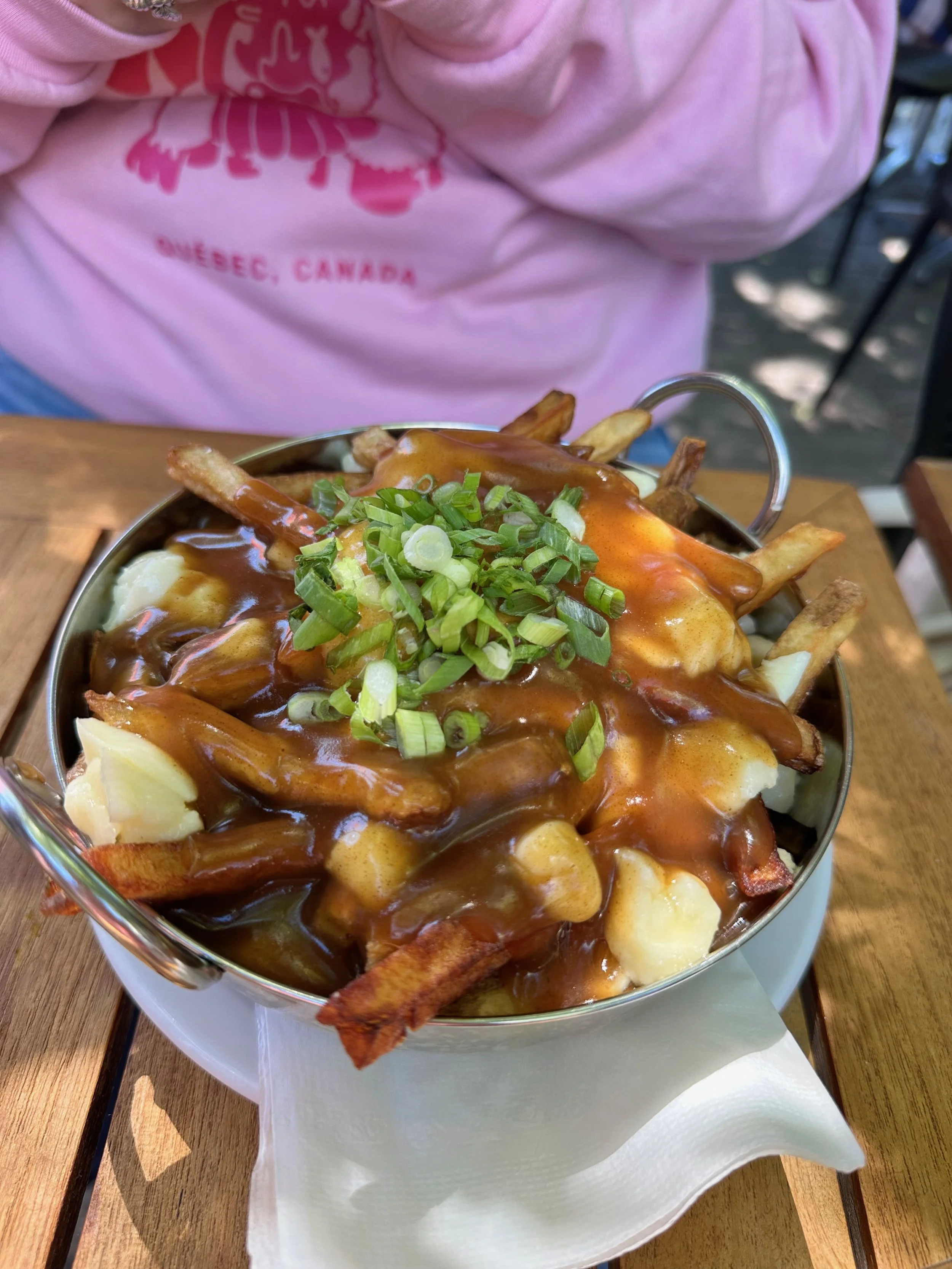
In Chelsea, there is plenty of choice. For breakfast, Biscotti & Cie is a great spot with breakfast classics and great drink choices. For Dinner, L'Oree du Bois brings a more classic Québec dining experience, with French cuisine, local ingredients and a rustic setting near Gatineau Park. This is the meal to slow down for. After a day of museums, bagels, gin tasting and village exploring, it gives the Outaouais stop a sense of occasion and taste for the local dishes.
Chelsea Pub, meanwhile, is a more casual option for the next day, ideal after an e-bike ride through Gatineau Park. Think comfort, local atmosphere and a proper pause before heading back to Ottawa station for the train to Montréal.
Finish in Montréal with markets and neighbourhood restaurants
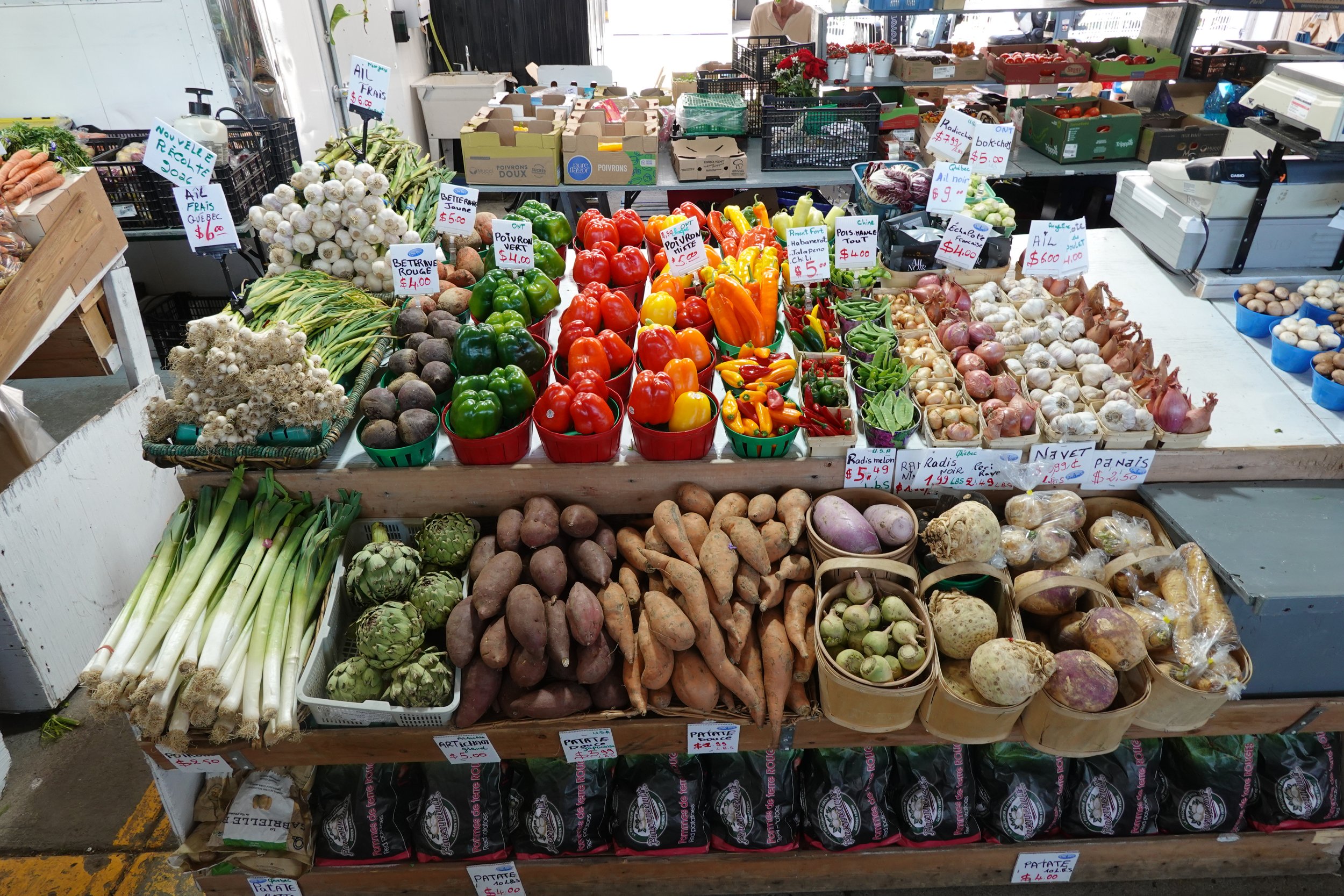
Jean-Talon Market: Photography by Pippa Moyle, using a Sony RX100 VII from MPB
Montréal is a dream final stop for food lovers. Jean-Talon Market should be high on the list: produce, local specialities, cheese, bakeries, flowers, snacks and the kind of market energy that makes you want to cancel your next plan and keep grazing.
For restaurants, build in variety. Monarque brings French classics and grand architecture in Old Montréal. It is also close to lots of bars and pubs in Old Montréal, which is great for exploring. Juliette Plaza Bistro is a great lunch spot offering shareable plates and seasonal ingredients. Larrys is casual, cosy and brilliant for an evening that feels more neighbourhood than formal - cuisine provided by famous Montréal Chef Ruby Gatt.
What to order
Across the route, try a mix rather than chasing one iconic dish. Look for peameal bacon in Toronto, local chocolate, oysters or seafood if available, Montréal-style bagels, Québec cheeses, market-fresh produce, French-inspired dishes, craft drinks and anything that's in season. Every stop has its own specialties, so embracing a little variety gives you a much better taste of the region than sticking to the obvious tourist favourites.
The best foodie advice is simple: ask what a place is proud of, then order that. Whether it's a family recipe, a locally sourced ingredient or the dish everyone keeps coming back for, those recommendations often lead to the most memorable meals and the kind of experiences you won't find in a guidebook.
Final bite
A Toronto to Montréal route works so well because every stop has a different food personality. Toronto is diverse and energetic, Outaouais is local and rooted in landscape, and Montréal is creative, indulgent and endlessly snackable. Fly in hungry, leave space in the itinerary, and treat the meals as part of the reason to go.
This article was created in partnership with Air Transat as part of the City Girl Guide to Canada.