What You Need to Know When Flying to Canada from the UK
Planning a trip to Canada can feel like a mammoth task. The country is vast, journey times can be longer than expected and the weather can change quickly, so a little preparation makes the whole experience much easier.
For the City Girl Guide to Canada, we flew with Air Transat, voted the World’s Best Leisure Airline for the seventh time at the 2025 Skytrax World Airline Awards to explore Ontario and Quebec. Air Transat had already come highly recommended by City Girl Network members who regularly fly between the UK and Canada, particularly for its direct routes and good-value fares.
Here is what we learned about preparing for the journey.
Choose your route before planning the trip
Your arrival and departure cities can shape your entire itinerary.
We flew into Toronto and returned from Montréal with Air Transat, which meant we could travel naturally from west to east without returning to our starting point. Between the two flights, we visited Toronto, Niagara Falls, Ottawa, Outaouais and Montréal.
This type of multi-city journey can save time and make a longer route feel much more manageable. Before booking a standard return flight, check whether arriving in one Canadian city and flying home from another would suit your plans better.
Check whether your flight is direct
A direct flight can make a big difference, particularly if you are planning a shorter trip to Canada (Canadian city break anyone?).
Air Transat operates direct services from London Gatwick to Toronto, Montreal and Ottawa (some are seasonal) and from Manchester, Glasgow and Dublin to Toronto. to Canadian cities including Toronto, Montréal and Ottawa, although some routes are seasonal. If you’d like to combine a trip to Western Canada with a stop over in one of Air Transat’s hubs, this is easily done thanks to their partnership with Porter, offering easy one-stop connections to destinations including Vancouver, Calgary, Edmonton and Winnipeg.
Always check the schedule for your travel dates before building the rest of your itinerary.
Apply for your eTA
Most British citizens flying to Canada need an Electronic Travel Authorization, known as an eTA, rather than a visitor visa.
The eTA is electronically linked to your passport and is also required when transiting through a Canadian airport. Applications are made online through the official Government of Canada website and currently cost CAN$7.
You will need a valid passport, email address and payment card to apply. Many applications are approved quickly, but some travellers may be asked for additional information, so do not leave it until you reach the airport.
Your eTA is linked to the passport used in the application. If you renew or replace that passport, you will need to apply for a new eTA.
Check the official Government of Canada guidance to confirm which travel document applies to you, and avoid unofficial websites that may charge additional fees.
Arrive at the airport early
Air Transat advises passengers to arrive for check-in at least three hours before an international flight.
Allow additional time for your journey to the airport, bag drop, security and buying anything you need before boarding. Long-haul travel is much less stressful when you are not watching the clock.
It is also worth checking which terminal you are flying from and whether online check-in is available.

Understand your baggage allowance
Check exactly what is included in your fare before packing.
Your baggage allowance may depend on the travel class, fare type or extras you have selected. Knowing this in advance helps you avoid unexpected airport charges and decide whether you need to add a checked suitcase.
Canada trips often require more variety than a standard city break. Our itinerary included restaurants, markets, cycling, train travel, city walks and a Nordic spa, so we needed clothing for several different types of day.
Pack for changeable weather
Do not assume that travelling in summer guarantees constant sunshine.
For a Canada city trip, we recommend packing:
Comfortable trainers or walking shoes
Layers for changing temperatures
A lightweight waterproof jacket
Sunglasses and SPF
A reusable water bottle
A portable phone charger
Swimwear and sandals for spas, pools or lakes
Check the local forecast shortly before travelling, particularly when visiting more than one province.

Photography by Anete Lūsiņa
Keep important information easy to access
Save your flight details, accommodation confirmations, insurance documents and onward travel bookings somewhere you can reach quickly.
It is useful to download copies to your phone so they remain available without Wi-Fi or mobile data. You may also want to keep your first hotel address readily available for immigration forms or airport transfers.
Make sure your travel insurance covers the activities included in your itinerary, as well as medical costs, delays and lost luggage.
Plan a simple first evening
Flights from the UK often arrive in Canada during the afternoon or early evening because of the time difference.
Our flight landed in Toronto at 15:40, which gave us enough time to travel into the city, check in and have dinner without trying to fit in a full evening of sightseeing.
Keep your first night relaxed. A short walk, an easy dinner and a reasonably early bedtime can help you adjust to the new time zone. Save the packed itinerary for the following morning.
Think carefully about onward travel
Canada is bigger than it looks on a map. Two places that appear close together may still involve several hours of travel.
Check journey times before adding too many destinations and try to build a route that moves in one direction. Trains worked particularly well for our journey through Eastern Canada, allowing us to travel between major cities without hiring a car or returning to the airport.
Leave some breathing room around longer journeys, as delays can affect tours, restaurant bookings and check-in times.
Read about our experience of travelling from Toronto to Montreal with Via Rail.

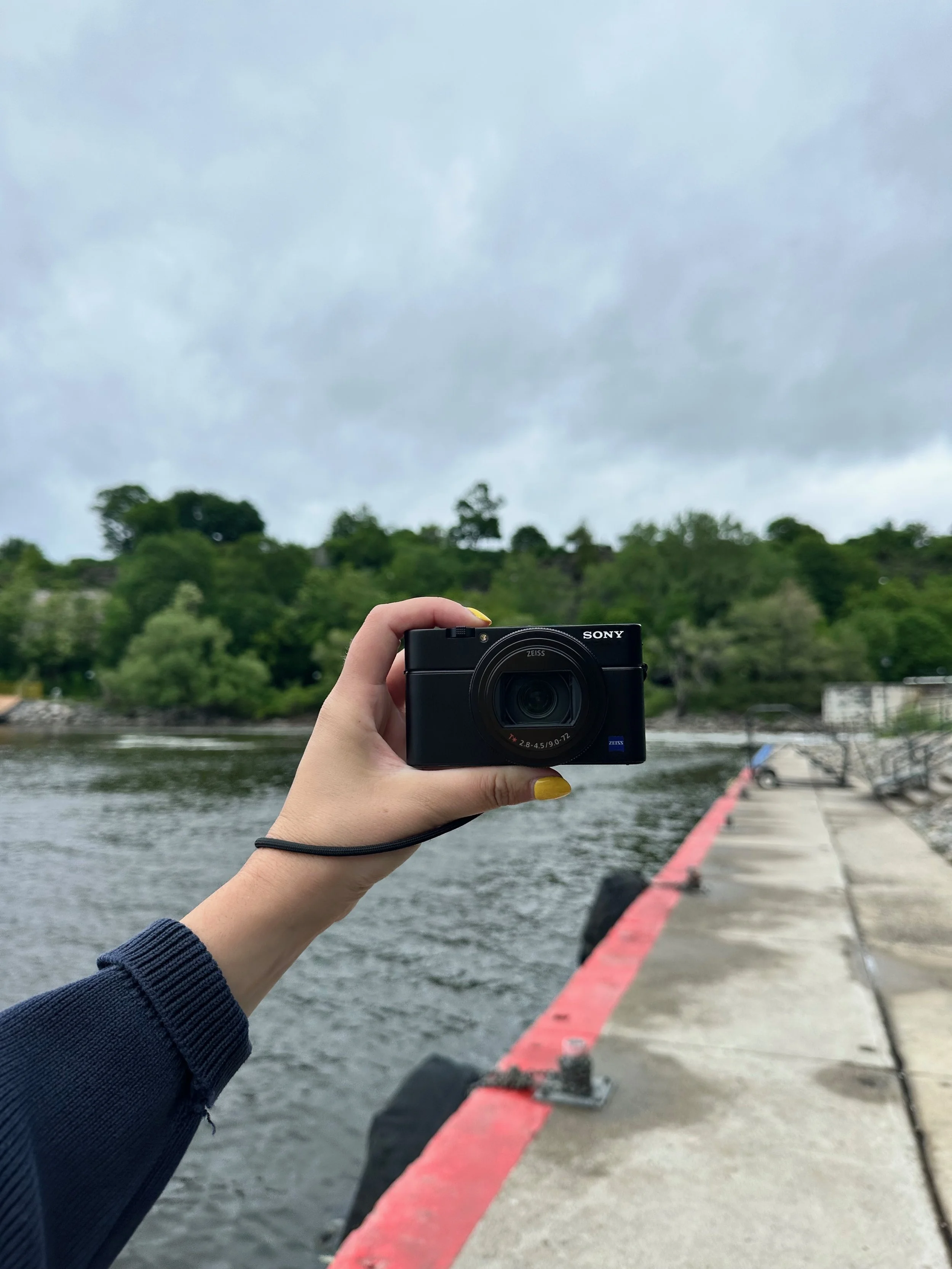
Photography by Pippa Moyle, using a Sony RX100 VII from MPB
Before you fly
Before leaving for the airport, check:
Your passport and eTA
Your flight status and terminal
Your baggage allowance
Airport check-in times
Travel insurance
Accommodation details
Transfers from the airport
Any onward train or transport bookings
The weather forecast
Flying to Canada from the UK is straightforward once the essential planning is done. For us, travelling directly with Air Transat into Toronto and home from Montréal created a clear route through Eastern Canada and helped us make the most of every day away.
This article was created in partnership with Air Transat as part of the City Girl Guide to Canada.