City Girl Travel Guide to Toronto
Planning a trip to Toronto? This travel guide covers the neighbourhoods to know, the best things to do, where to eat and drink, where to stay and how to make the city part of a wider Canada itinerary. Whether you’re organising a girls’ trip, travelling solo or planning a bucket-list adventure, Toronto is an energetic and easy-to-shape city break.
We visited the city with Destination Toronto as part of the City Girl Guide to Canada, in partnership with Air Transat. Flying directly from London Gatwick to Toronto made the city an accessible first stop from the UK, particularly for travellers continuing by VIA Rail to Ottawa, Québec and Montréal.
Why Visit Toronto
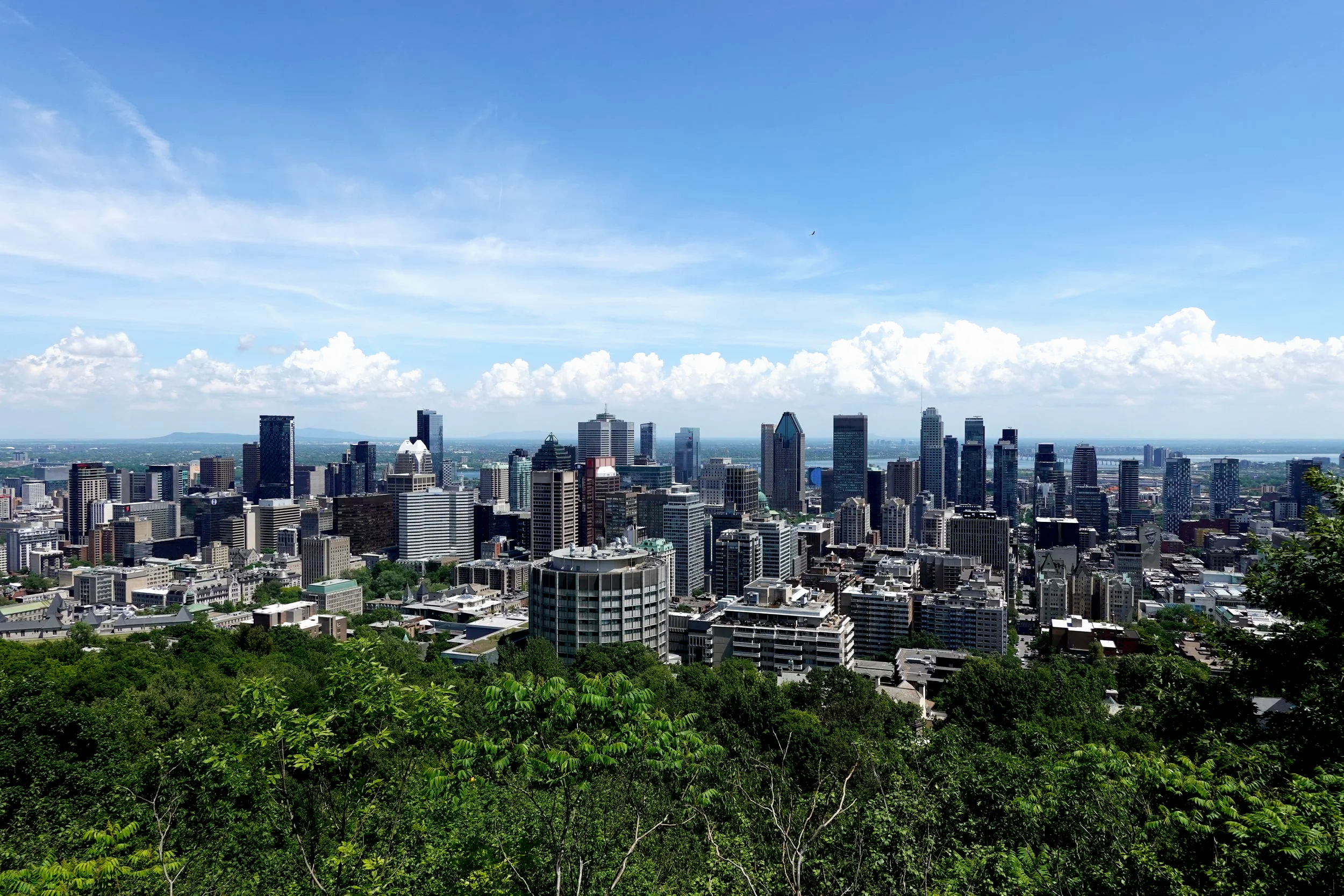
Toronto combines the scale and skyline of a major North American city with creative neighbourhoods, food markets, festivals, waterfront views and green spaces. The variety is what makes it especially well suited to a girls’ trip, solo city break or romantic adventure: you can build your days around food, shopping, cocktails, culture, museums, neighbourhood wandering or time beside Lake Ontario.
Rather than rushing between landmarks, choose a few areas, book one or two memorable experiences and leave enough space for the city to surprise you. Toronto’s best moments often come from moving between its distinct neighbourhoods and seeing how quickly the atmosphere changes.
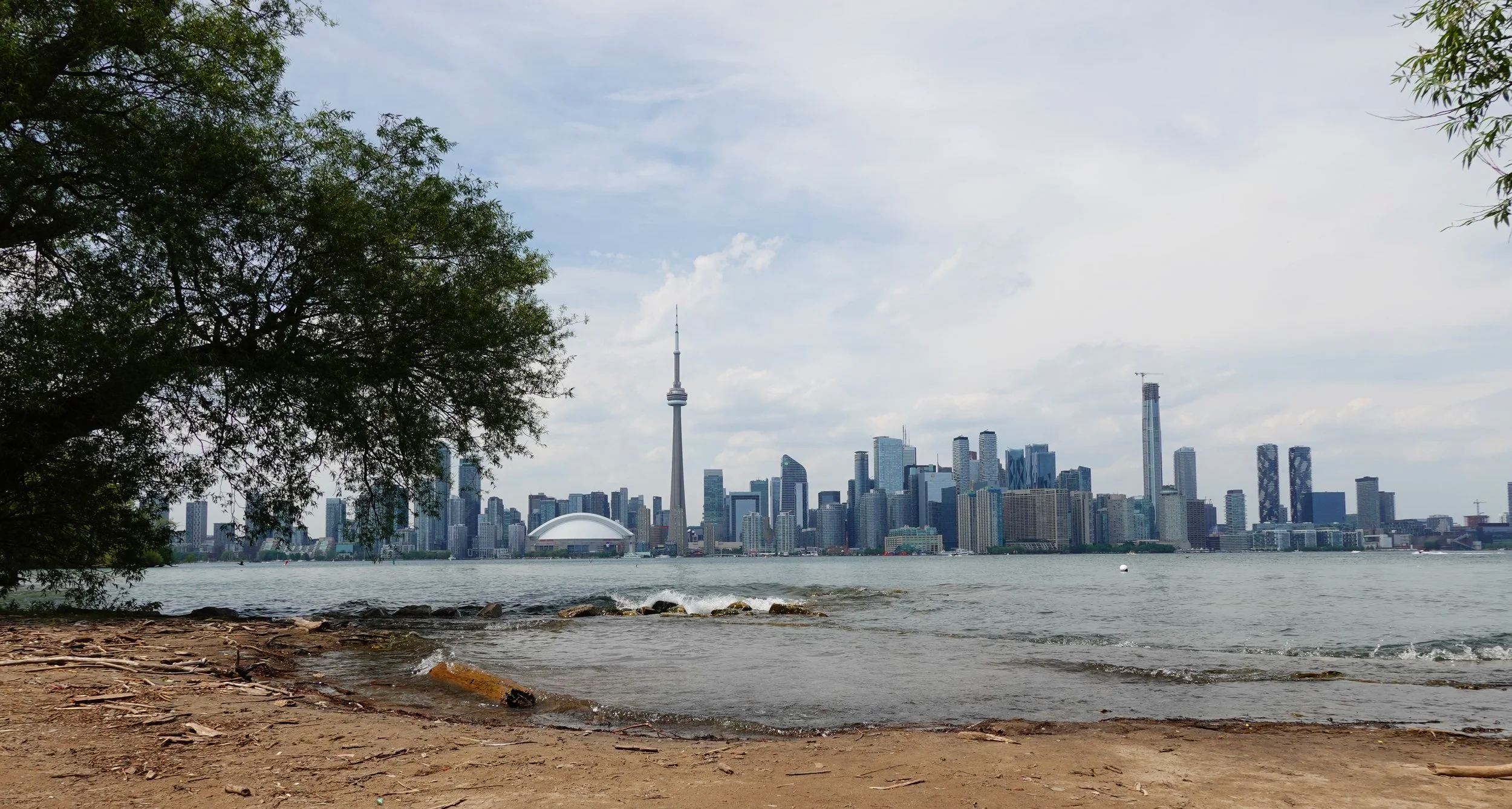
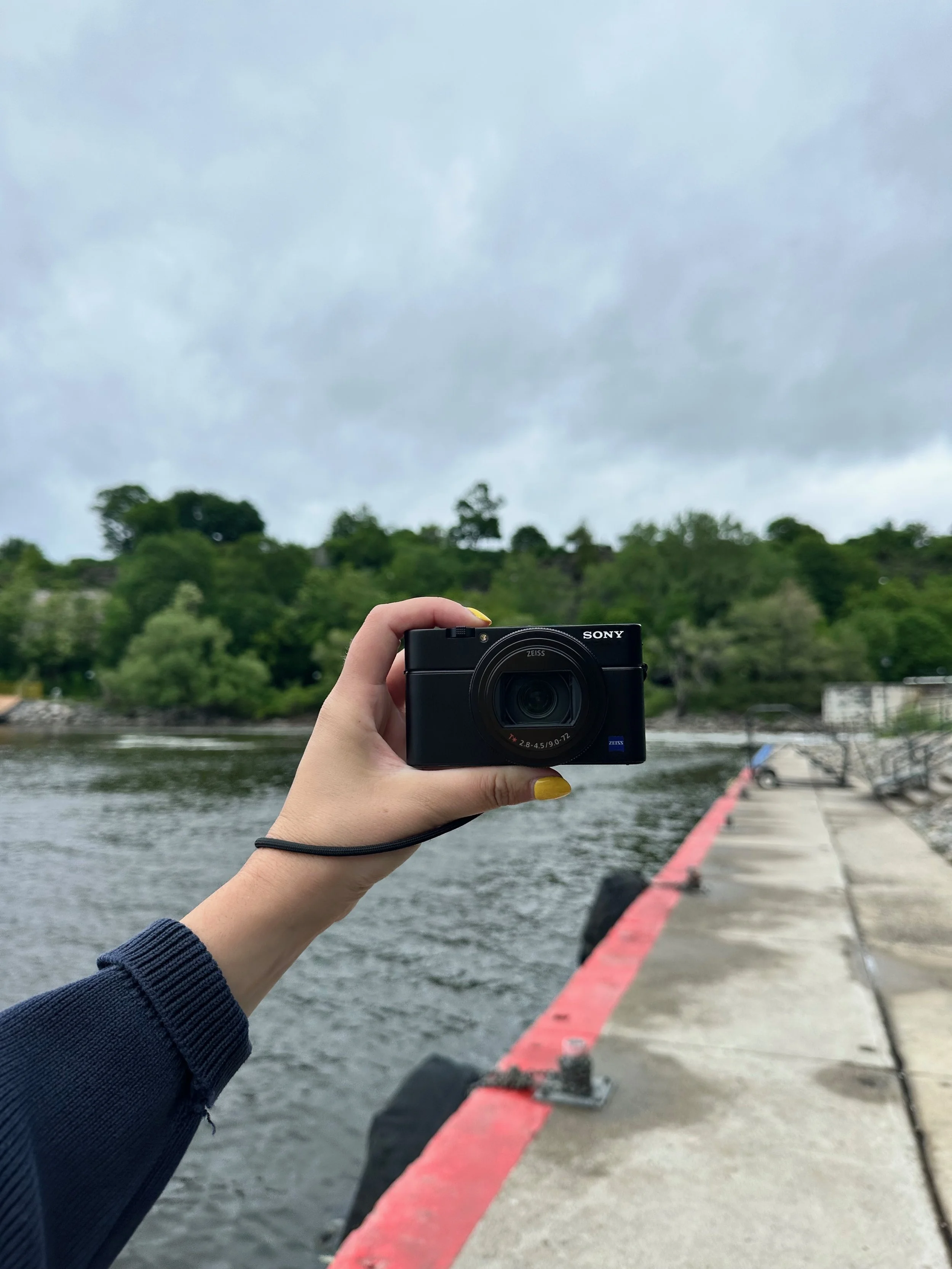
Photography by Pippa Moyle, using a Sony RX100 VII from MPB
Toronto’s Neighbourhoods
Toronto is a city of neighbourhoods, each with its own identity. These are the areas worth knowing before you plan your days:
Downtown, Old Town and St Lawrence: Best for first-time visitors, landmark sights and historic streets, with St Lawrence Market, the waterfront and major transport links close by.
Kensington Market and Chinatown: A colourful, multicultural pocket for vintage shopping, murals, dim sum, casual food and independent businesses.
The Distillery District: A pedestrian-only area of Victorian industrial buildings, cobblestone streets, galleries, boutiques, restaurants and artisan food stops.
Yorkville: Toronto’s polished luxury neighbourhood, known for designer shopping, fine dining, elegant streets and the Royal Ontario Museum.
Queen West and West Queen West: The city’s art and design hub, filled with street art, independent boutiques, galleries, creative restaurants and lively bars.
Little Portugal and Dundas West: A strong choice for restaurants, cocktails, live music and community events, including Do West Fest.
Little Italy and College Street: Go for traditional Italian restaurants, espresso bars, gelato, wine bars and a lively evening atmosphere.
The Danforth: Toronto’s Greektown, where tavernas, bakeries and specialist food shops sit alongside a strong Greek cultural identity.
The Beaches and Leslieville: Pair a relaxed Lake Ontario boardwalk with independent boutiques, brunch spots, cafés and a village-like east-end feel.
Liberty Village and King West: Former industrial districts now known for converted warehouses, restaurants, rooftop patios, bars and nightlife.
Harbourfront and the Waterfront: Best for lakeside walks, parks, cultural venues, cycling routes and ferries to the Toronto Islands.

What to Do in Toronto
Toronto has enough to fill a week, but these experiences give you a strong mix of food, neighbourhood culture and time outdoors.
Explore Toronto’s Food Culture
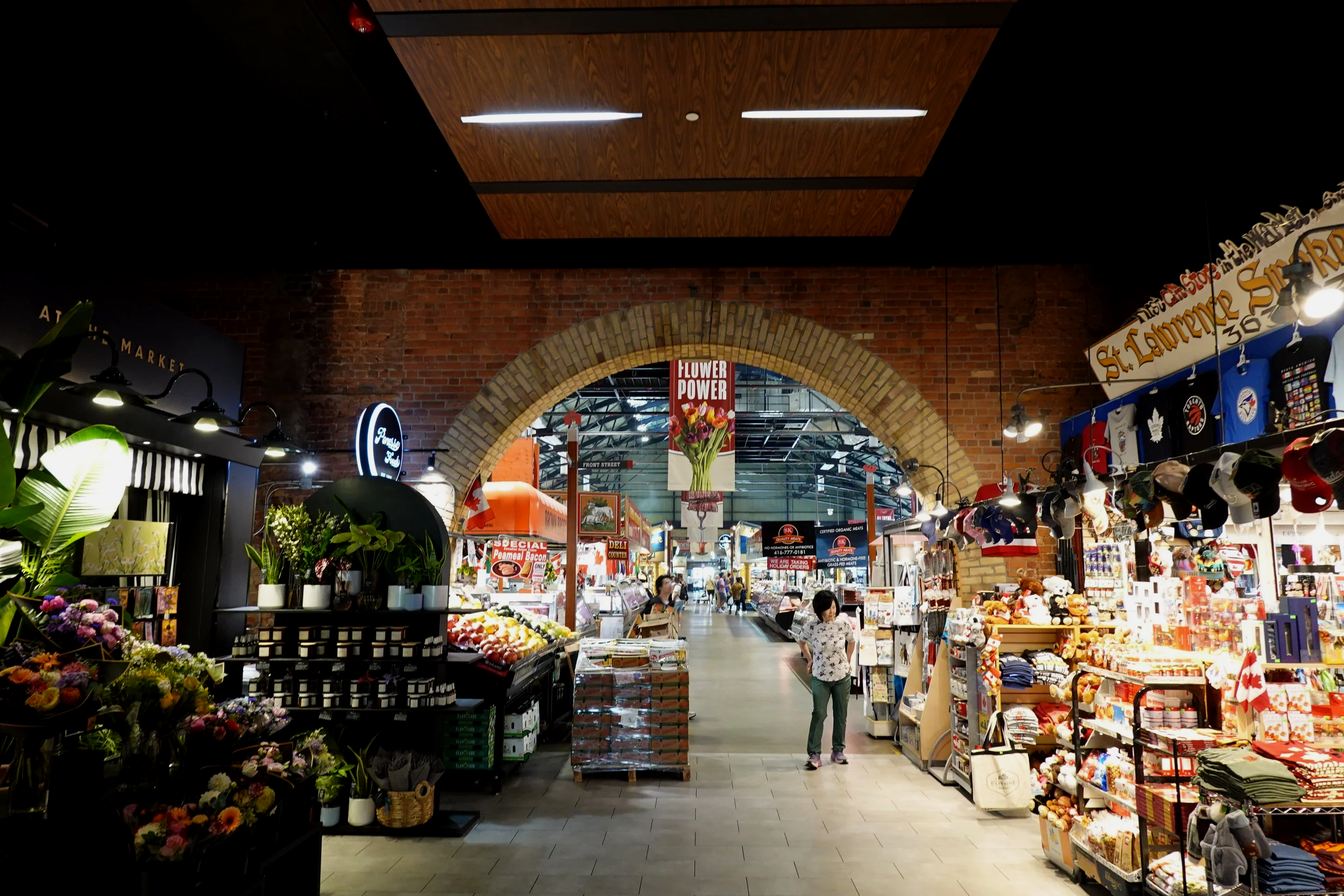
Photography by Pippa Moyle, using a Sony RX100 VII from MPB
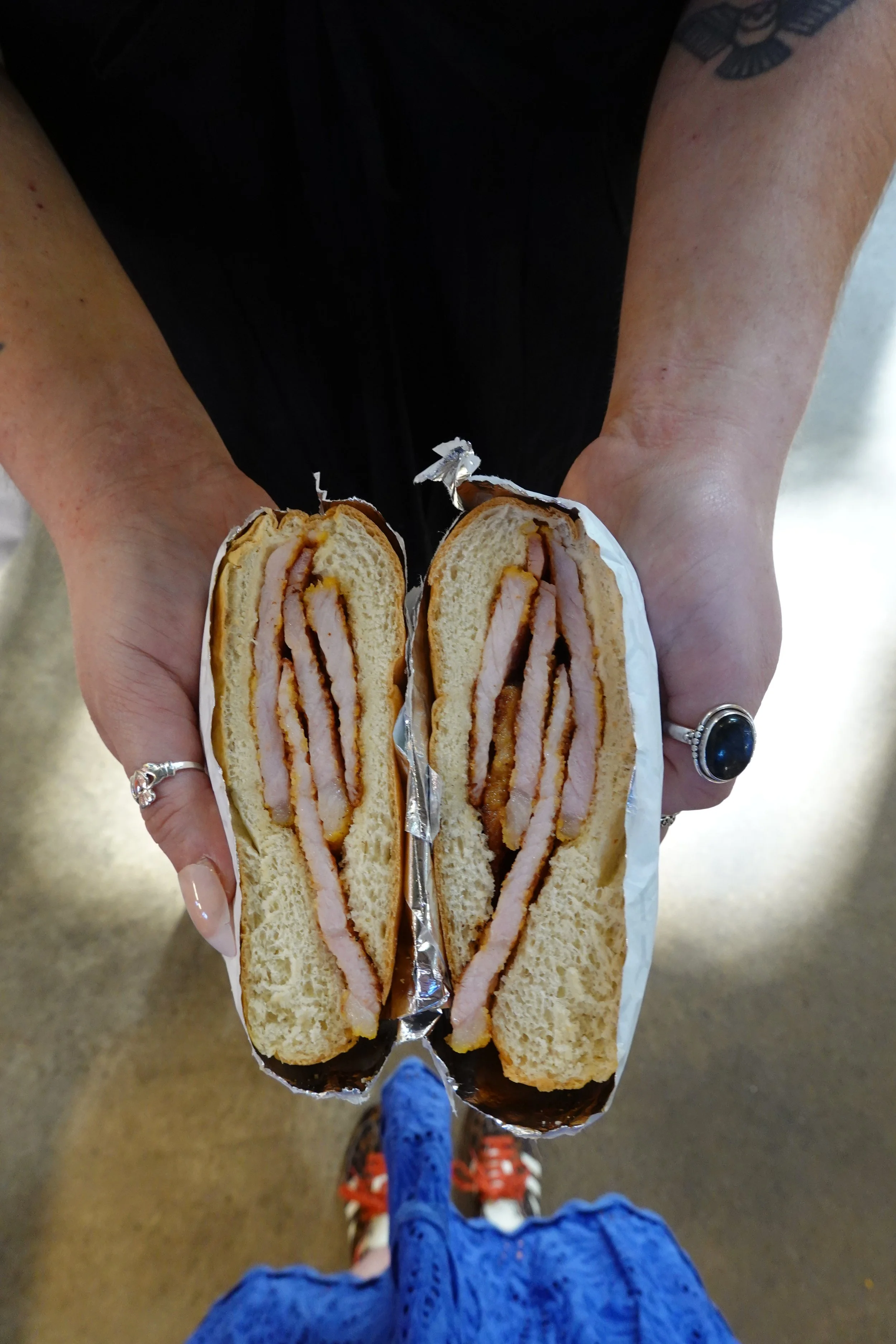
St Lawrence Market is one of the best places to begin. The Culinary Adventure Co VIP Early Access Food Tour lets you experience the market before it fully opens, when the atmosphere is calmer and there is more time to meet vendors and hear the stories behind the food. Tastings can include a peameal bacon sandwich, Ontario charcuterie, PEI oysters, coffee, tea and other market favourites.
It works particularly well for solo travellers because it gives the morning structure, a clear meeting point and the chance to experience a major food destination with a guide. For groups, it is a sociable and generous way to start the day.
✦ City Girl Highlight ✦
Take a VIP Food Tour of St Lawrence Market
The early-access format is what makes this experience feel special. You see the market before the busiest crowds arrive, get context on the city’s food culture and taste far more than a few token samples.
City Girl Tip: Eat a very light breakfast or skip it. This is a proper food-focused experience and you will not leave hungry.
Escape to Toronto Islands


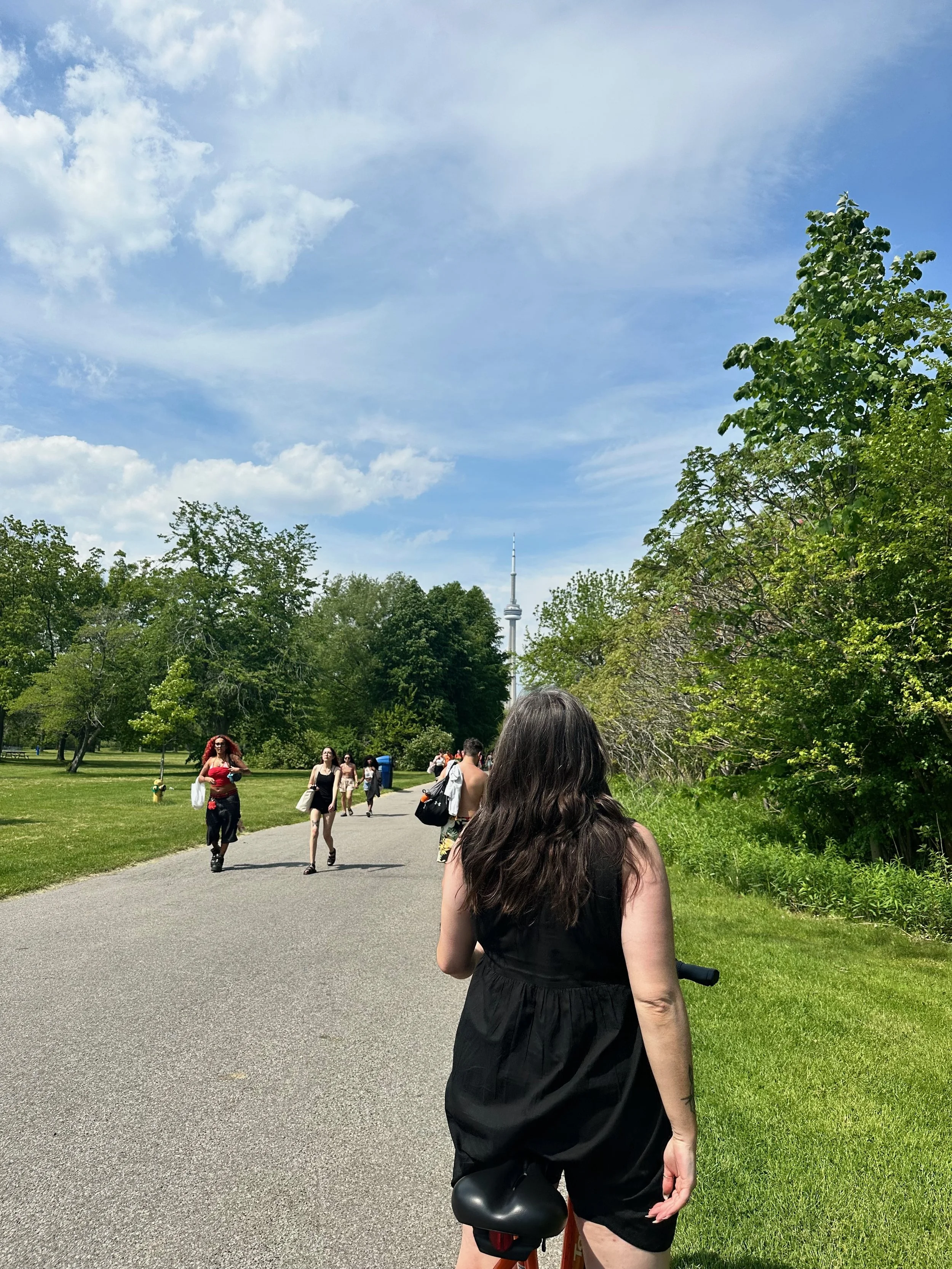
A short ferry ride from downtown takes you to beaches, lagoons, gardens, picnic spots and some of the city’s best skyline views. You can explore on foot, but cycling makes it easier to move between Centre Island, Ward’s Island and Hanlan’s Point without making the afternoon feel over-planned.
Centre Island is the easiest place to begin and usually has bike rentals available on a first-come, first-served basis. Ward’s Island feels quieter and more residential, while Hanlan’s Point has a whole iconic cultural history of its own.
Hanlan’s Point is Canada’s oldest surviving queer space and hosted Canada's first Gay Pride in 1971. It’s home to the world’s largest rainbow road, created by Travis Myers, who painted a 600-metre rainbow road at Beach Road on Hanlan’s Point. The beach itself is also one of two nudist beaches in the country.
✦ City Girl Highlight ✦
Go Cycling Around Toronto Islands
This is one of the best activities for balancing a busy city itinerary. It feels scenic, relaxed and memorable, while remaining close enough to downtown to fit into a single afternoon.
City Girl Tip: Check ferry times before setting off and bring an extra layer. It can feel noticeably cooler beside the water.
Experience Toronto’s Creative Side
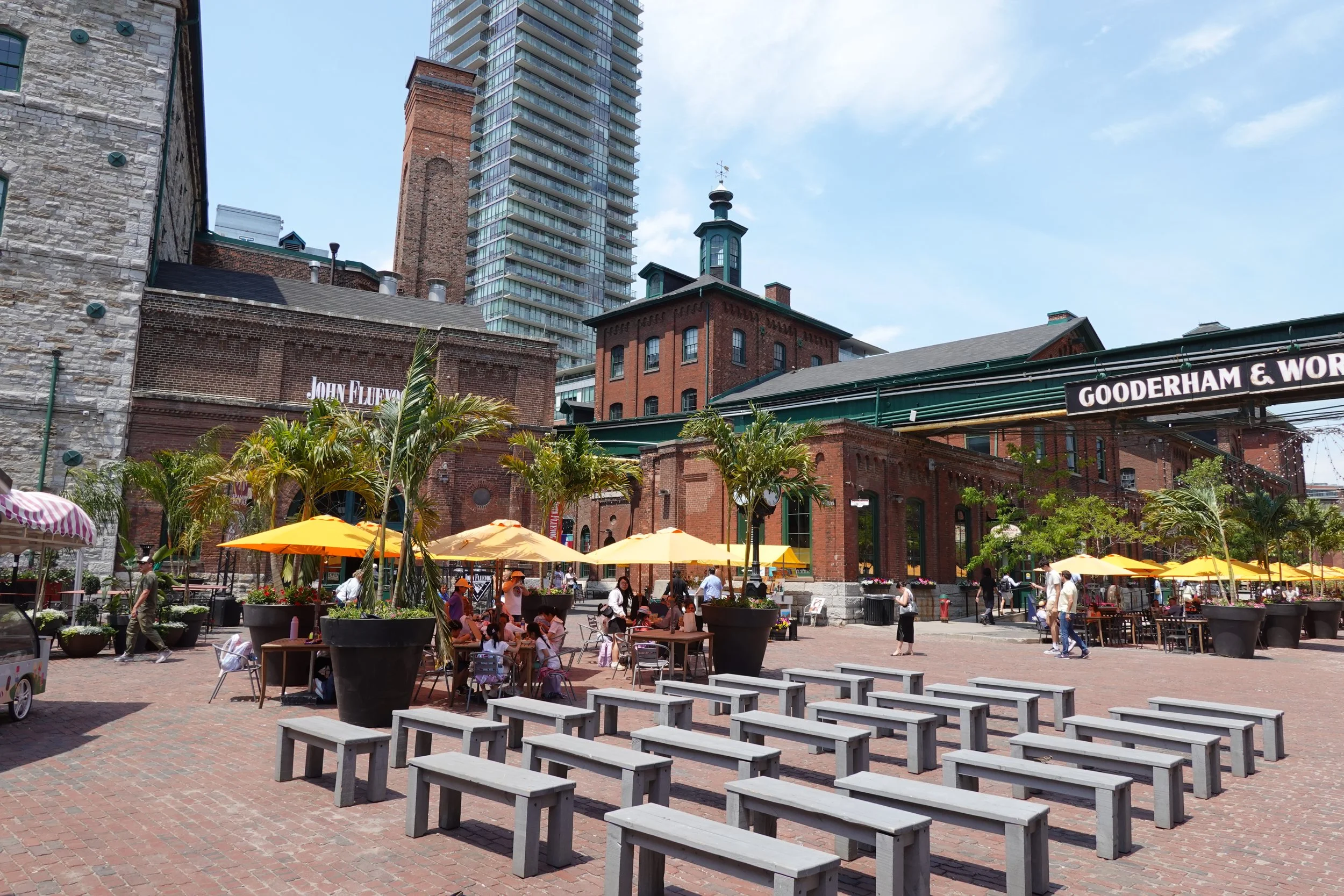
Distillery District: Photography by Pippa Moyle, using a Sony RX100 VII from MPB
West Queen West, Kensington Market and Little Portugal are ideal for browsing, eating and stopping wherever catches your eye. The Distillery District offers a more polished contrast, with preserved Victorian industrial buildings, independent shops, galleries and SOMA Chocolatemaker.
When your visit coincides with Do West Fest, Dundas Street West becomes a pedestrian-only cultural corridor filled with live music, food vendors, art, patios and community programming. It is a lively way to experience Toronto beyond the standard visitor checklist.
✦ City Girl Highlight ✦
Find Toronto’s Best Events and Festivals
Toronto’s events calendar is packed with street festivals, live music, food events, exhibitions and cultural celebrations throughout the year. Check the Destination Toronto website before your trip to see what is happening during your visit and build a local event into your itinerary.
City Girl Tip: Search by your travel dates before booking your plans. You may discover a neighbourhood festival, seasonal event or one-off experience that becomes a highlight of the trip.
More Things to Add to Your Toronto Itinerary
Spend a slow morning or afternoon exploring the Distillery District and stop at SOMA Chocolatemaker for artisan chocolate or gifts.
Browse West Queen West’s independent shops, galleries and cafés.
Wander around Kensington Market without a fixed route, making time for vintage stores, street art and casual food.
Walk along the waterfront for lake air and open views, even when you don’t have time to take the ferry.
Where to Eat and Drink in Toronto
Toronto’s food scene deserves to shape the itinerary rather than simply fill the gaps between activities. These were the places that stood out during our visit.
Markets and Food Experiences

St Lawrence Market: Photography by Pippa Moyle, using a Sony RX100 VII from MPB
St Lawrence Market: Toronto’s best-known food market, home to permanent traders, local produce and classic food stops. Its farmers’ market takes place every Saturday.Open all year round, Tuesday to Sunday (closed Monday), with a Farmer’s Market in the building opposite on a Saturday.
Kensington Market: Explore an eclectic mix of international restaurants, bakeries, specialty grocers, vintage shops and colourful street art.Open 7 days a week, but individual retailers have their own operating hours.
World Food Market: An outdoor food market near Yonge Street serving affordable dishes inspired by cuisines from around the world.Open every day. 11.30am - late.
Trinity Bellwoods Farmers’ Market: Shop local produce, bread and artisan food every Tuesday from May to October.Open Tuesdays 3pm - 7pm, May - October.
Withrow Park Farmers’ Market: This relaxed Saturday market brings together farmers, bakers and independent food producers from late May until mid-October.Open Saturdays 9am - 1pm, May - October.
The Junction Farmers Market:Browse locally produced fruit, vegetables, pastries and specialty food in the Junction; check its latest dates before visiting.Open Saturdays 9am - 1pm, May - October.
Cabbagetown Farmers’ Market: A community-focused market offering fresh produce, preserves, baked goods and locally made food on selected dates.Open Tuesdays 3pm - 7pm, May - October.
Underpass Park Farmers’ Market: Look out for local produce and prepared food in a distinctive sheltered setting beneath the city’s overpasses in Corktown.Open Thursdays 4.30pm - 7.30pm, May - October.
Downsview Park Merchants Market: A large indoor flea market combining international food stalls with produce, clothing, antiques and household finds.Every Saturday and Sunday from 10am - 5pm.
Toronto Restaurants Worth Booking


Grey Gardens, Kensington Market (left photo): A creative, seasonal neighbourhood restaurant with seafood-forward cooking, handmade pasta and a relaxed wine-bar feel. It feels special without becoming overly formal. (Tried, tested and loved by us!)
Conejo Negro, Little Portugal (right photo): A vibrant restaurant blending Creole, Caribbean and Latin-inspired flavours. The cooking is bold and layered, while the atmosphere is warm, lively and polished. (Tried, tested and loved by us!)
Plus recommendations from City Girls…
Akira Back, Entertainment District: A Japanese-Korean fusion restaurant inside the BISHA Hotel, named after and created by Michelin Star Chef Akira Back. Standout dishes include Sashimi Tacos and their iconic Toro Caviar
Edulis, Niagara Neighbourhood: A highly popular restaurant with a strong focus on seafood, vegetables and wild mushrooms inspired by Spanish and French traditions.
Lyla, West Queen West: A Mediterranean restaurant that blends traditional methods with Asian influences. Think Spanish croquettes that are a combination of jamon iberico béchamel, hamachi sashimi and chili aioli.
Breakfast, Lunch and Casual Dining


El Catrin, Distillery District: A lively Mexican restaurant with bold dishes, a striking interior and an easy location for lunch while exploring the district. (Tried, tested and loved by us!)
Plus recommendations from City Girls…
Bear Steak Sandwiches, Little Italy: Hailed as the ‘best steak sandwich I’ve ever had’ by one of our Manchester Girls, meat eaters simply cannot skip this!
Bernhardt’s, Little Portugal: A French Bistro adored for their seasonal soft serve and rotisserie chicken with Québecois-style gravy
Stefano’s Diner, Little Portugal: An all-vegan diner serving dishes like lasagne, ‘chicken’ piccata, and plant-based burgers.
Pizzeria Badiali, Dovercourt Road and Markham Street: Classic New York-style pizza slices that always has a line outside but is absolutely worth the hype.
Pho Real, Vaughan: Slightly outside of Toronto but worth the trip for those craving delicious Vietnamese food. Think perfected beef pho, seafood spring rolls and bun cha.
Masa Deli, Dovercourt Village: A Latin-American deli known for its huge egg sandwiches and latin-inspired burritos.
Egg Club, Garden District: Japanese-Inspired Breakfast with incredible concoctions like a hash brown sandwich with sweet mashed potato as the filling and soft japanese milk bread.
Where to Stay in Toronto
For a City Girl-style visit, stay somewhere with personality and easy access to restaurants, cafés, independent shops and public transport.
Our Top Recommendation: Gladstone House

We stayed at Gladstone House in West Queen West, one of Toronto’s most iconic boutique hotels. It combines Victorian architecture with contemporary design, locally curated art and a strong connection to the city’s creative community.
The neighbourhood is a major part of the appeal. With galleries, boutiques, cafés, restaurants and music venues nearby, you can begin exploring as soon as you step outside. It’s the perfect place to stay for travellers who want food, culture and transport within easy reach.
✦ City Girl Highlight ✦
Best Toronto Neighbourhoods to Stay In
West Queen West: Best for creativity, independent businesses, food and a more local atmosphere.
Downtown and the Waterfront: Best for first-time visitors who want major attractions, Union Station and ferry connections close by.
Kensington Market: Best for an eclectic atmosphere, casual food and vintage shopping.
The Distillery District: Best for heritage architecture and a polished, pedestrian-friendly setting.
When to Visit Toronto
Toronto works as a year-round city break, but late spring and summer are especially appealing for festivals, patios, waterfront walks and cycling on Toronto Islands.
Spring: Spring brings milder days and a city beginning to move outdoors again. It is a good time for neighbourhood exploration before the busiest summer period.
Summer: Summer is ideal for ferries, beaches, cycling, outdoor dining and street festivals. We visited in June, when the city felt lively and the programme of open-air events was beginning to build.
Autumn: Autumn suits travellers who prefer cooler walking weather, seasonal menus and a slightly slower pace.
Winter: Winter offers a different version of the city, with museums, restaurants, indoor markets and neighbourhood bars becoming more central to the itinerary. Pack properly for cold weather and plan fewer long outdoor stretches.
Practical Transport Tips for Toronto
Toronto is easy to explore without hiring a car, especially if you plan each day around one or two neighbouring areas. The TTC network combines subway trains, streetcars and buses, while walking and cycling are often the best ways to experience the city’s neighbourhoods.
Pay by PRESTO or contactless card: Tap a PRESTO card or contactless payment method when boarding. TTC fares include a two-hour transfer window across the subway, streetcars and buses.
Use the subway for longer journeys: The subway is generally the quickest way to cross the city, while buses and streetcars help you reach neighbourhoods away from the main lines.
Take at least one streetcar journey: Toronto’s red streetcars are both practical and part of the city experience, with useful routes through areas including Queen West, Dundas West and Chinatown.
Plan each day by neighbourhood: Avoid crossing the city repeatedly. Group nearby areas together, such as St Lawrence Market, the Distillery District and the waterfront.
Walk whenever you can: Downtown Toronto is very walkable, and exploring on foot makes it easier to discover independent shops, cafés, restaurants and side streets.
Use Bike Share for shorter journeys: Bike Share Toronto has stations across downtown and is particularly useful along the waterfront and on the city’s cycling routes.
Take the ferry to Toronto Islands: Ferries leave from the Jack Layton Ferry Terminal and connect downtown with Centre Island, Ward’s Island and Hanlan’s Point. Tickets can be bought in advance or at the ferry terminal.
Use the UP Express from Pearson Airport: The UP Express connects Toronto Pearson Airport with Union Station in around 25 minutes, making it one of the simplest ways to reach downtown.
Keep taxis and rideshares for convenience: Uber, Lyft and taxis are useful when travelling with luggage, returning late at night or moving between areas that are awkward to connect by public transport.
Check routes before setting off: Use live journey planning and service alerts, particularly at weekends when subway closures or streetcar diversions may affect your route.
How to Get to Toronto from the UK
Air Transat flies non-stop from London Gatwick, Manchester and Glasgow year-round to Toronto, making the city a practical starting point for a first Canada trip from the UK. An open-jaw route also allows you to arrive in Toronto, continue east through Ontario and Québec, and fly home from Montréal without retracing the journey.
Continuing from Toronto with VIA Rail
Toronto connects easily with Ottawa and Montréal by rail. We travelled onwards with VIA Rail, which made it possible to turn a Toronto city break into a wider multi-stop itinerary while avoiding an additional internal flight.
Final Thoughts
Toronto is the kind of city that becomes more interesting as you move beyond the skyline. Its appeal lies in the mix: major-city energy, creative neighbourhoods, food markets, independent restaurants, festivals and the unexpected calm of the islands just offshore.
For a girls’ trip, there is enough variety to keep everyone interested. For solo female travellers, guided experiences, busy neighbourhoods and easy food stops make the city manageable without making it feel predictable. As the first stop on a route through Ontario and Québec, Toronto also gives a wider Canada trip a confident and exciting beginning.
Our advice is to plan around neighbourhoods, reserve the experiences that matter most and avoid trying to see everything. Toronto rewards curiosity far more than a packed checklist.
This article was created in partnership with Air Transat and Destination Toronto as part of the City Girl Guide to Canada.