City Girl Travel Guide to Montréal
Planning a trip to Canada? Montréal is one of the country's most exciting cities, known for its European charm, vibrant food scene, historic streets and buzzing nightlife. Whether you're looking for the best brunch spots, cocktail bars, neighbourhoods, attractions or hidden gems, this City Girl Guide to Montréal covers everything you need to plan the perfect Montréal city break.
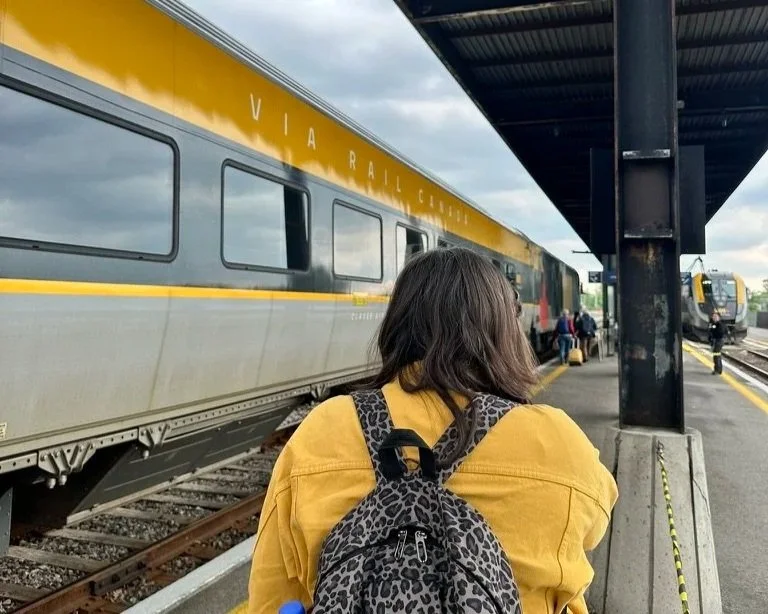
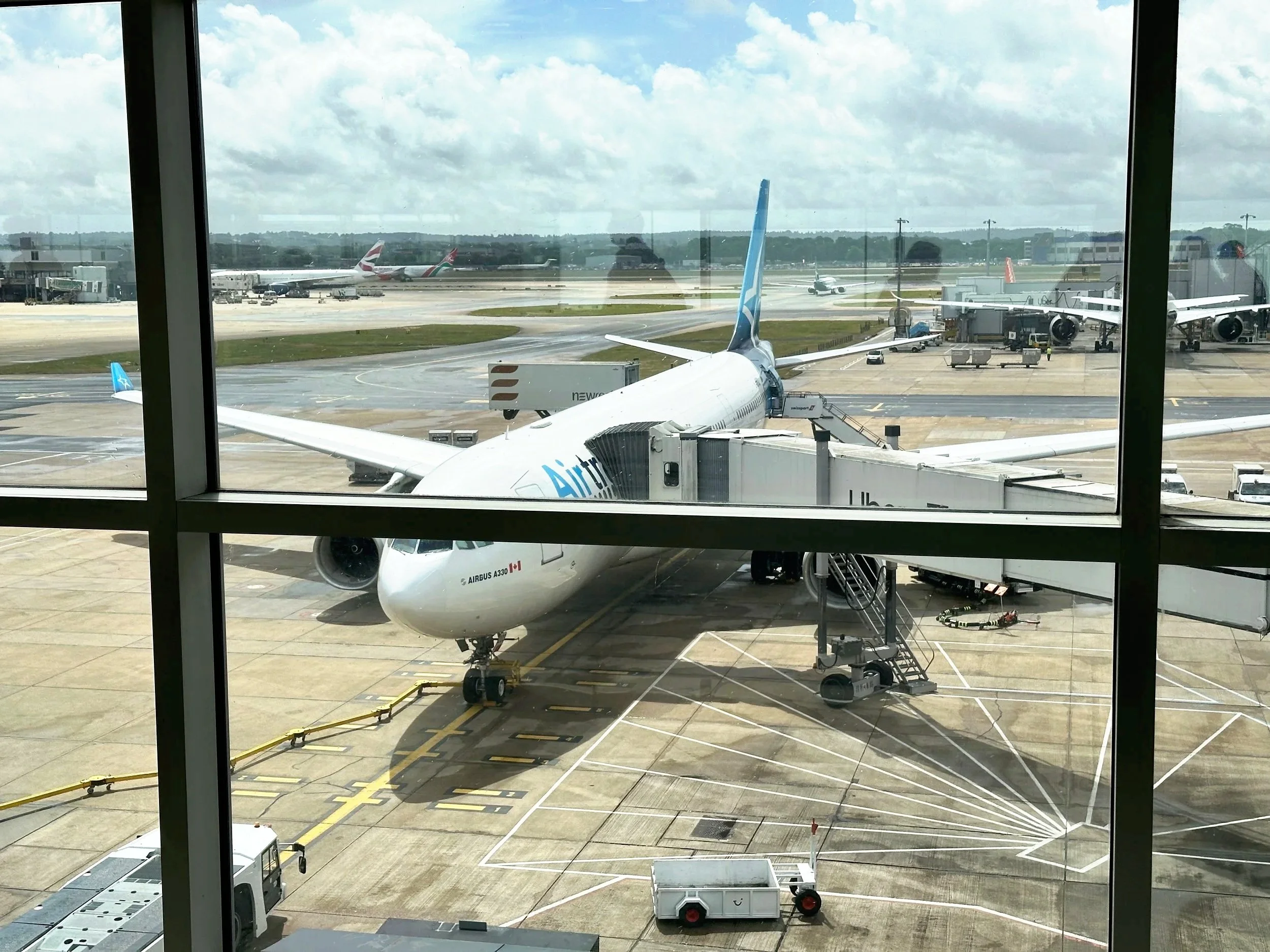
We visited Montréal with Tourisme Montréal and Bonjour Québec as part of the City Girl Guide to Canada, in partnership with Air Transat. Travelling into the city by VIA Rail and flying directly home to London Gatwick made Montréal a natural final stop after Toronto, Ottawa and Outaouais.
Why Visit Montréal
Montréal was the final stop on our tour of Canada with Air Transat, and we were very eager to explore a city that was praised by so many Canadians; many noting that it’s “the best place to party”. It has big city energy, but it also has neighbourhood charm, old port views, markets, murals, museums, bakeries, terraces and a food scene that makes every day feel slightly too short. This city is a fantastic showcase of all Québec has to offer.
Montréal was the perfect ending to our tour. After Toronto, Ottawa and Outaouais, it brought together culture, creativity and a European-feeling pace.
Montréal’s Neighbourhoods
Montréal is shaped by its neighbourhoods, each with its own atmosphere, food and cultural identity. These are the areas worth knowing before you plan your days:
Old Montréal and the Old Port: Best for cobblestone streets, historic architecture, waterfront walks, galleries and many of the city’s best-known landmarks.
Plateau-Mont-Royal: A colourful, creative neighbourhood filled with row houses, independent boutiques, brunch spots, cafés and leafy residential streets.
Mile End: Known for bagels, bakeries, coffee, natural wine and a relaxed arts scene, making it one of the best areas for food-focused wandering.
Little Italy: Centred around Jean-Talon Market, with Italian heritage, cafés, restaurants and one of the city’s most rewarding food destinations.
Downtown Montréal: A practical base for museums, shopping, major hotels and transport links, with easy access to several surrounding neighbourhoods.
The Village: One of North America’s largest LGBTQ+ districts, known for its welcoming atmosphere, nightlife and colourful pedestrian spaces in summer.
Saint-Laurent and the Quartier des Spectacles: Best for murals, festivals, live music, cultural venues and some of Montréal’s most energetic streets.
Griffintown and the Lachine Canal: A former industrial area with waterside paths, contemporary restaurants and an easy route for walking or cycling.

What to Do in Montréal
Montréal can easily fill a week, but these experiences offer a strong mix of history, food, creativity, culture and time outdoors.
Start in Old Montréal and the Old Port
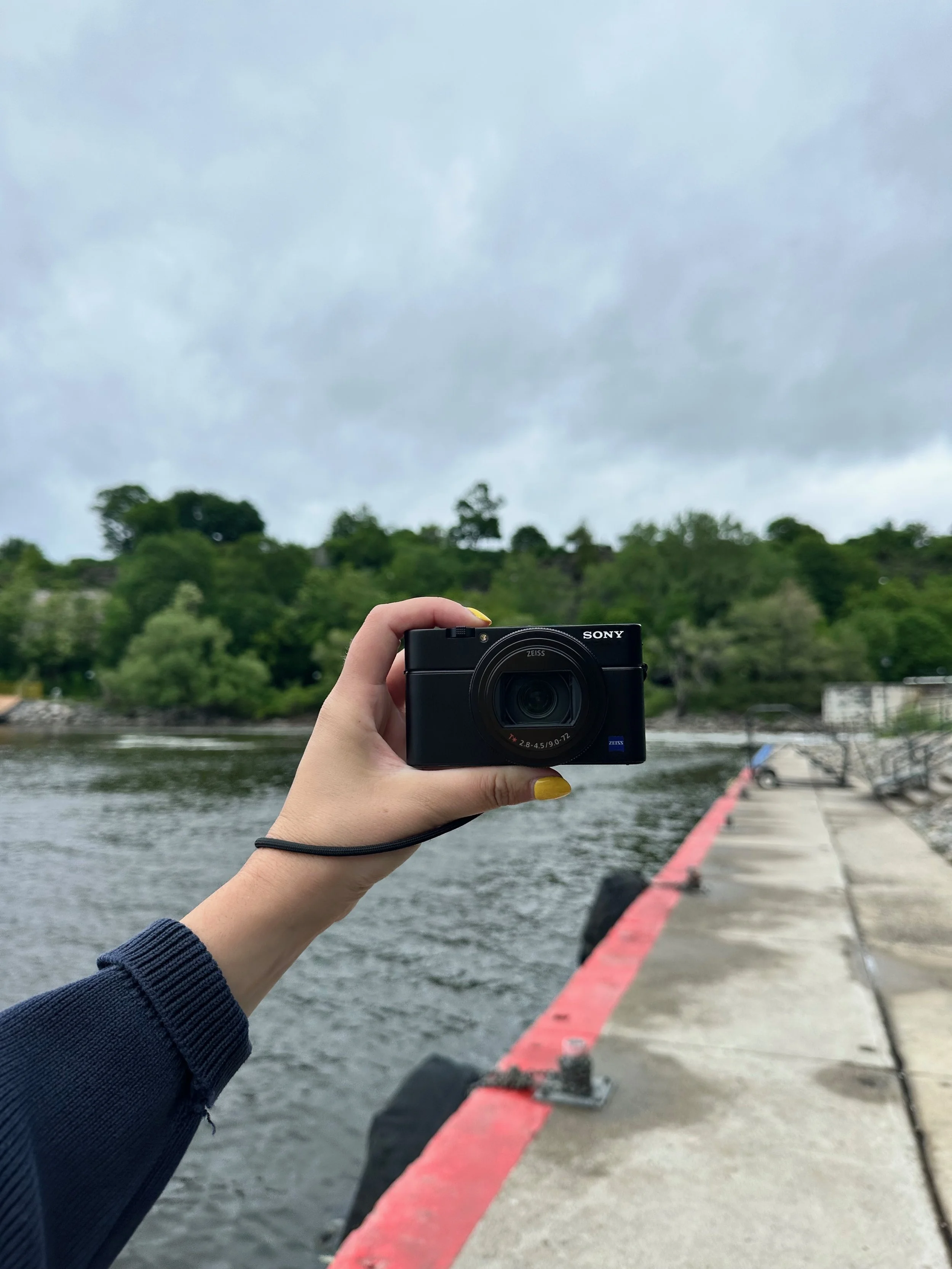
Photography by Pippa Moyle, using a Sony RX100 VII from MPB
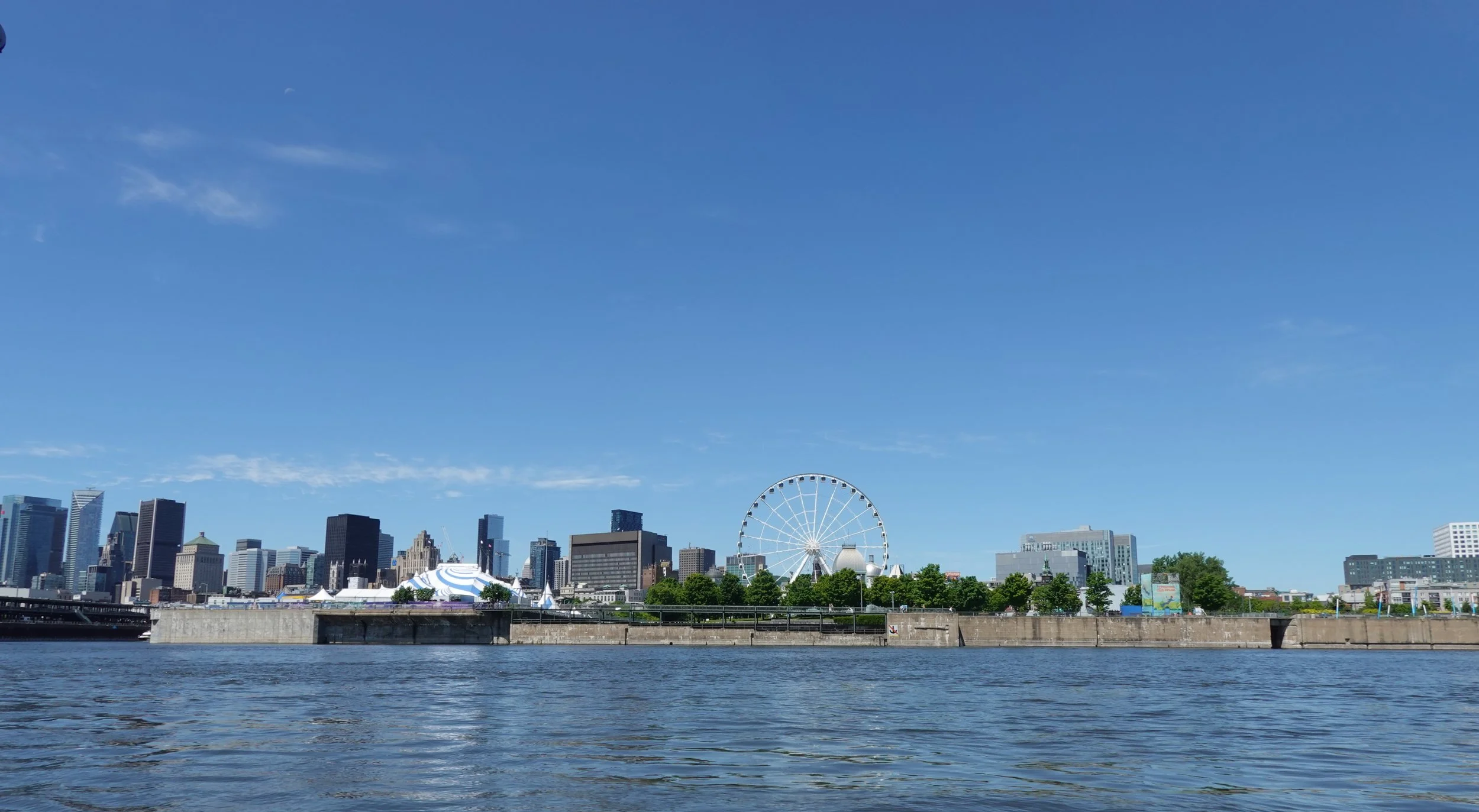
For a first visit, begin around Old Montréal and the Old Port. This is where cobblestone streets, historic architecture, waterfront views and classic visitor moments come together. A boat tour with Le Petit Navire is a gentle way to see the city from the water, especially if you want something relaxed rather than a high-speed sightseeing experience.
If you have time, add La Grande Roue de Montréal for views over the Old Port, or simply wander the waterfront and let the city unfold slowly.
Taste the City at Jean-Talon Market
Photography by Pippa Moyle, using a Sony RX100 VII from MPB
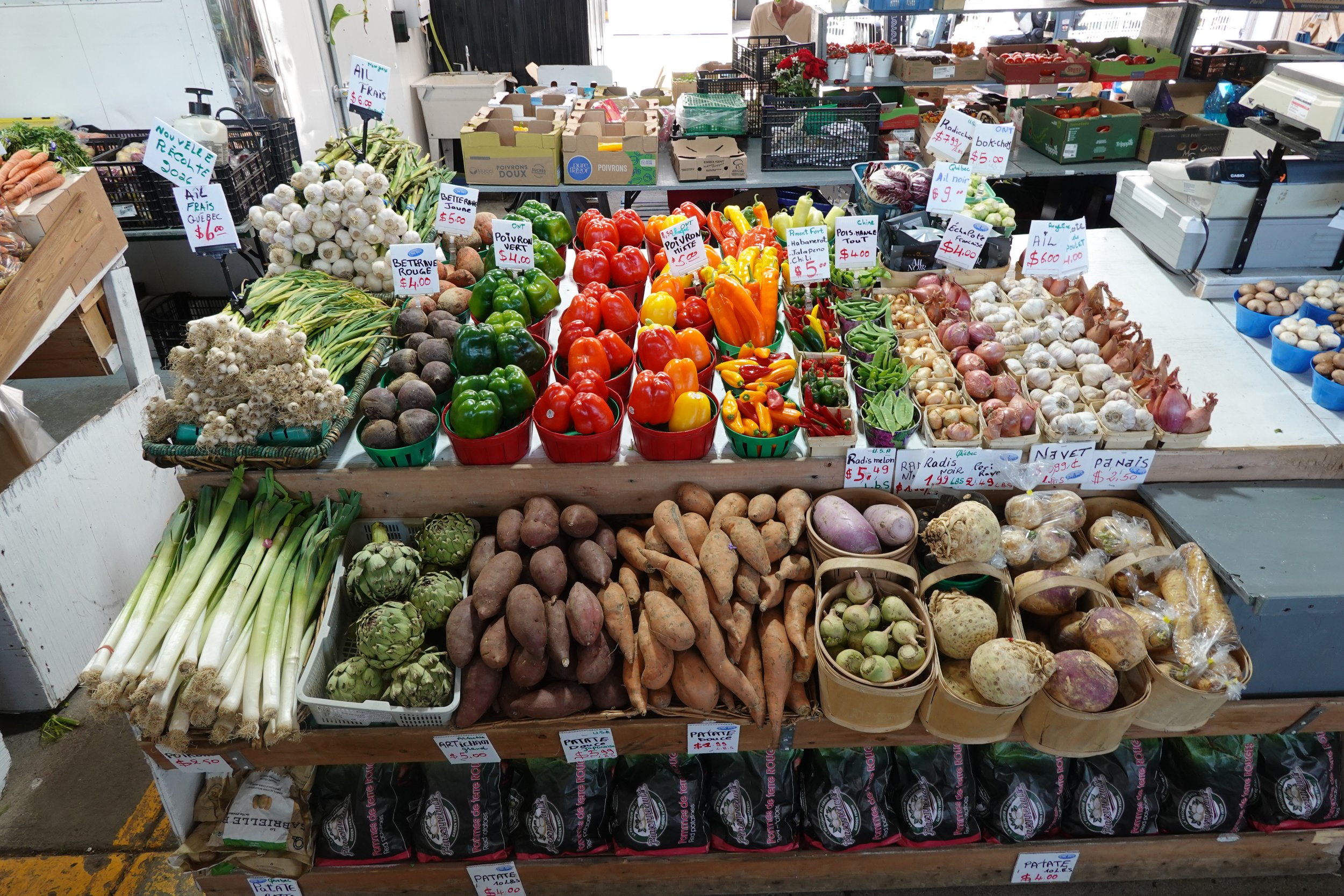
Jean-Talon Market stuns the senses with a cacophony of fresh produce, local delicacies and the lively chatter of vendors and shoppers. One of North America's largest public markets, it's the kind of place where wandering without a plan is part of the experience.
We struck up a conversation with a friendly grocer and were soon sampling sweet, sun-ripened Québec strawberries, picked at the height of the season. From overflowing fruit stalls and artisan cheeses to freshly baked pastries and local specialities, every corner offers something new to discover. It is one of North America's largest open-air markets and a brilliant place to taste, browse and understand the city's culinary personality.
Follow Montréal’s Mural Trails
Photography by Pippa Moyle, using a Sony RX100 VII from MPB
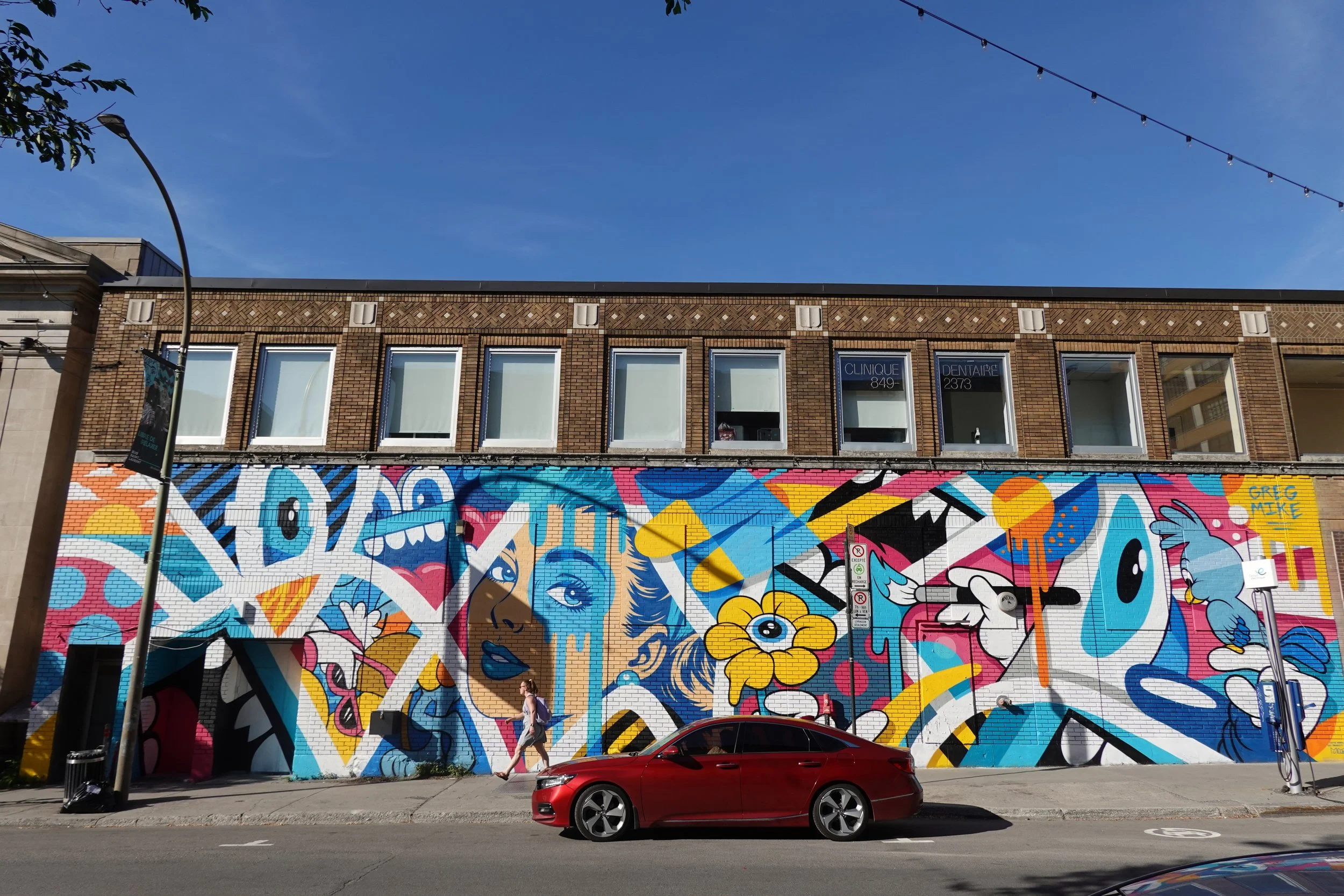
Montréal's murals are one of the best ways to experience its creative side. A guided murals walking tour adds context and helps you notice details you might otherwise miss. We were lucky enough to be in the city during the Montréal Mural Festival which meant that there was a lot of new artwork, and it was amazing to watch some of the artists paint live. Around Saint-Laurent Boulevard and surrounding streets, public art turns the city into an open-air gallery, especially during and around mural festival season.
We highly recommend booking a tour with Melanie Renaud, who specialises in street art with Space and Palacio Tours, and Carpe Diem.
Walk Through Mount Royal Park
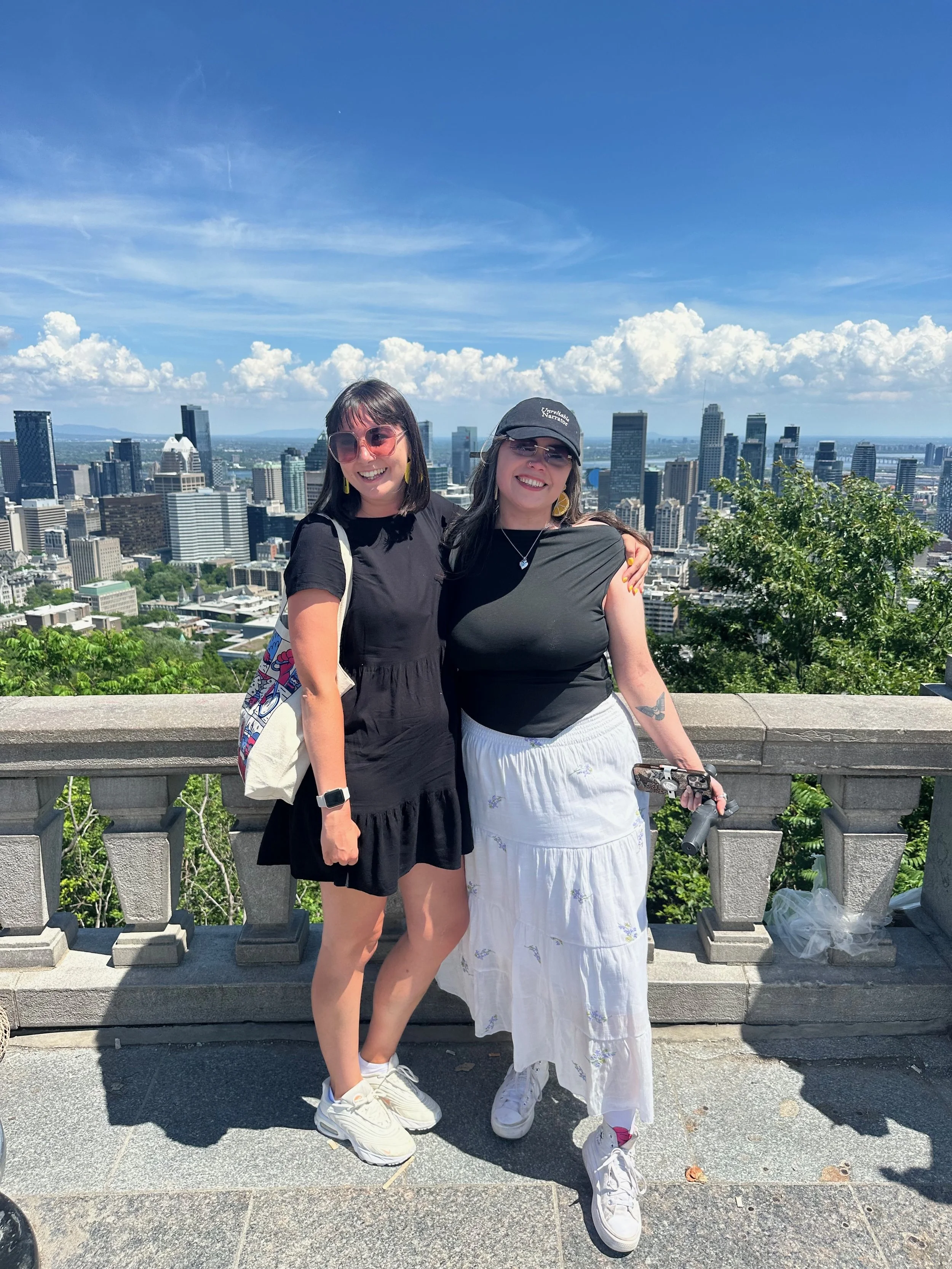
Photography by Pippa Moyle, using a Sony RX100 VII from MPB
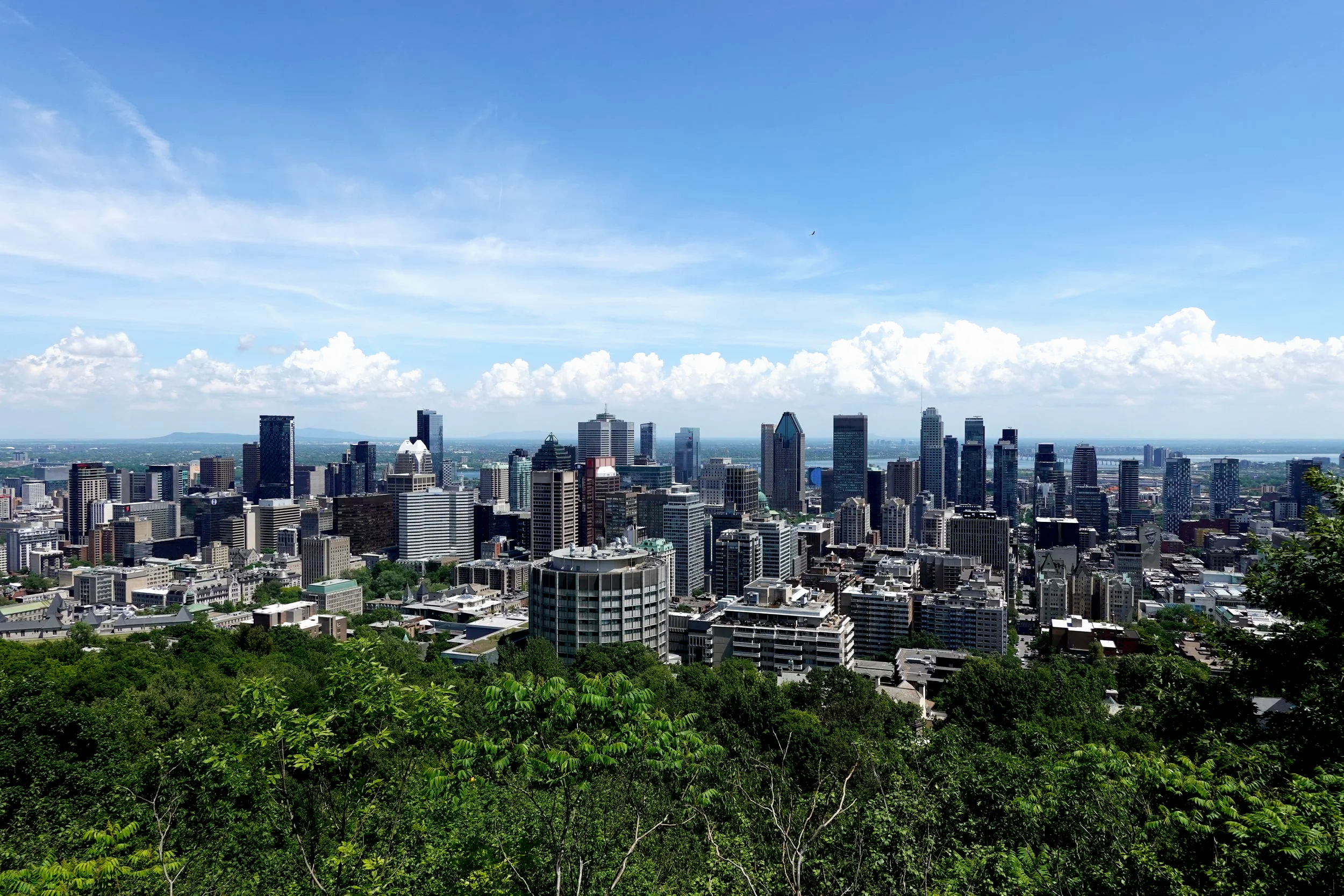
Prepare to be stunned at the view. Head to Mount Royal and the Kondiaronk Lookout. It is the best place to understand the shape of the city, and it gives you a green pause without leaving Montréal. We accessed it by taxi, who took us to the main car park and then we walked 10 minutes through to park to the lookout. After taking in the view, we strolled back down the steps to Downtown, but there are plenty of hiking trails if you want to explore the park further. We were utterly blown-away by the panoramic views of Montréal, and we were told that no building is built higher than the top of the mountain, so that nothing spoils the view.
Unwind at Bota Bota, Spa-sur-l’eau
Photography by Pierre Jarry
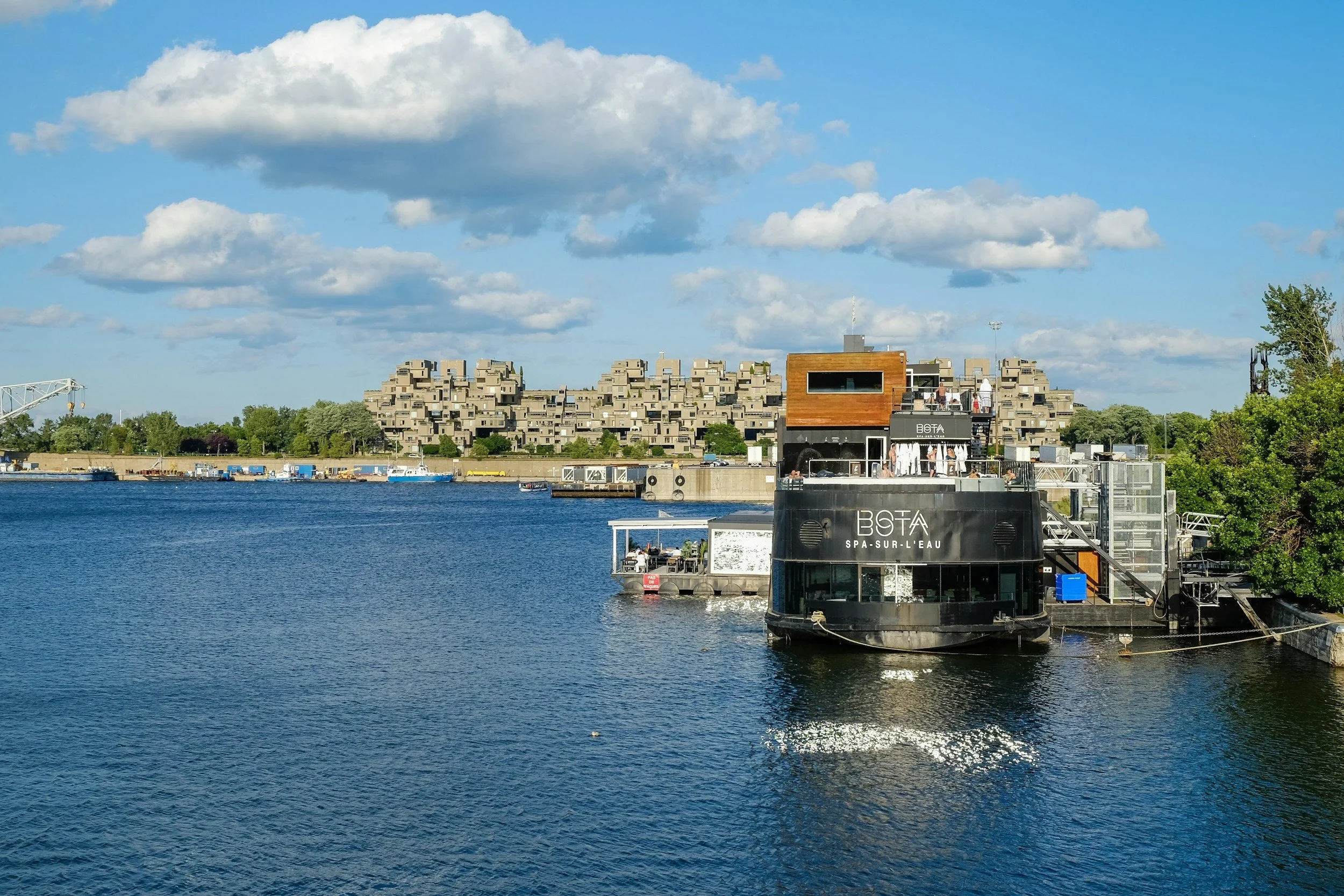
Moored in Montréal’s Old Port, Bota Bota is a floating spa set across converted ships with views over the river and city skyline. Its water circuit combines hot and cold pools, saunas, steam rooms and relaxation spaces, with massages, treatments and an on-site restaurant also available. It’s one of our favourite experiences in the city. Nothing quite beats relaxing around the pool with the Montréal skyline ahead of you.
More Things to Add to Your Montréal Itinerary
Visit the McCord Stewart Museum: Explore exhibitions covering Montréal’s social history, fashion, photography, design and the wider stories of Canada.
Explore the Underground City: Useful in winter and bad weather, this network links shopping centres, transport hubs, hotels and downtown buildings.
Walk or cycle beside the Lachine Canal: A scenic route through former industrial neighbourhoods with waterside views and plenty of places to stop.
Search for seasonal festivals: Montréal’s calendar includes food, music, comedy, art and cultural events that can become a highlight of the trip.
Spend time on a terrace: Warm-weather terrace culture is a central part of Montréal life, from rooftop drinks to relaxed neighbourhood patios.
Visit Phi: A cutting-edge art venue with frequent exhibitions and events
✦ City Girl Spotlight ✦
Save Money with the Passeport MTL
The Passeport MTL is a digital city pass offering entry to a choice of three or five Montréal attractions, plus additional discounts. With one QR code on your phone, it is an easy way to organise sightseeing while saving an average of 35%. Prices for summer–autumn 2026 start at $60 CAD plus tax, with participating experiences spanning culture, food, heritage and outdoor activities.
Where to Eat and Drink in Montréal
Montréal is a food city through and through, so meals should shape the itinerary rather than simply fill the gaps between attractions. From public markets and bagel shops to inventive restaurants and neighbourhood wine bars, the city rewards travellers who take their time at the table.
Markets and Iconic Food Experiences
Jean-Talon Market: Browse fresh produce, Québec specialities, artisan food and seasonal ingredients in the heart of Little Italy.
Le Cathcart, Downtown: A stylish food hall beneath a glass pavilion, bringing together restaurants, casual counters, bars and a lively central garden.
Time Out Market Montréal, Downtown: A large food hall inside the Eaton Centre showcasing dishes from leading local chefs alongside cocktails, desserts and cultural events.
Taste test Fairmount Bagel vs St Viateur: Pick a side in Montréal’s infamous bagel rivalry, both located in Mile End.
Montréal-style smoked meat: A classic local experience, usually served high on rye bread with mustard and best enjoyed somewhere with a little history.
Québec bakeries and pâtisseries: Make room for croissants, pastries, bread and sweet treats; independent bakeries are woven throughout the city’s neighbourhoods.
Seasonal terraces: In warmer months, patios and rooftops become an important part of the food and drink scene, particularly around Old Montréal and the Plateau.
Food Festivals: Food Festivals are a big deal in Montréal, with a whole range of them being organised every year. Make sure you check out what’s on over on Tourisme Montréal’s website when you’re planning your trip (https://www.mtl.org/en/experience/guide-montreal-food-festivals).
Montréal Restaurants Worth Booking
Monarque, Old Montréal: An elegant dining destination combining classic French technique with market-led ingredients in a beautifully restored historic space. (Tried, tested and loved by us!)
Juliette Plaza, La Petite-Patrie: A lively, creative restaurant where playful presentation, bold flavours and shareable dishes meet a relaxed neighbourhood atmosphere. (Tried, tested and loved by us!)
Larrys, Mile End: A much-loved café and wine bar serving seasonal small plates, natural wines and flavour-led cooking in an easy, local setting. (Tried, tested and loved by us!)
Kazu, Downtown: A lively Japanese restaurant known for creative izakaya-style dishes, excellent sashimi and bold daily specials.
Alma, Outremont: An intimate restaurant blending Mexican flavours with Québec ingredients, handmade tortillas and a strong seafood focus.
Portus 360, Downtown: Refined Portuguese cooking paired with Québec ingredients, an extensive wine list and panoramic city views from its revolving dining room.
Mon Lapin, Little Italy: A lively neighbourhood restaurant serving inventive, seasonal sharing plates alongside natural wines from small producers.
Lawrence, Mile End: A refined neighbourhood restaurant serving seasonal, ingredient-led dishes with a strong focus on local produce and thoughtful, unfussy cooking.
✦ City Girl Spotlight ✦
Larry’s
Opened in 2016, Larrys is the relaxed café, restaurant and wine bar from the team behind locally renowned restaurant, ‘Lawrence’. Their ethos is built around thoughtful cooking and responsibly sourced local ingredients and Larry’s is currently led by Chef Ruby Gatt. We loved sitting on its Mile End terrace and sharing asparagus with gribiche, ceviche and the best kedgeree we’ve ever tasted. It’s welcoming and exactly the kind of neighbourhood restaurant Montréal does so well.
Breakfast, Lunch and Casual Dining
Arepera, Plateau-Mont-Royal: A casual Venezuelan spot serving generously filled arepas, bowls and traditional comfort food.
Tapi Go!, Plateau-Mont-Royal: A Brazilian café specialising in naturally gluten-free tapioca crêpes with sweet and savoury fillings.
Schwartz’s, Plateau-Mont-Royal: A Montréal institution famous for hand-cut smoked meat sandwiches piled high on rye bread.
La Banquise, Plateau-Mont-Royal: A hugely popular 24-hour restaurant serving an extensive selection of classic and creative poutine.
Olive et Gourmando, Old Montréal: A much-loved café known for excellent pastries, sandwiches, salads and brunch dishes.
Le Passé Composé, Plateau-Mont-Royal and Old Montréal: A popular brunch restaurant serving generous, beautifully presented takes on breakfast classics.
Tacos Frida, Little Burgundy: A colourful neighbourhood taqueria serving authentic tacos, quesadillas and Mexican comfort food.
El Rey del Taco, Jean-Talon Market: A lively Mexican restaurant and grocery spot known for tacos, tortas and traditional dishes.
Bottega, Little Italy: A relaxed Italian restaurant specialising in wood-fired Neapolitan pizza made with quality ingredients.
Bars
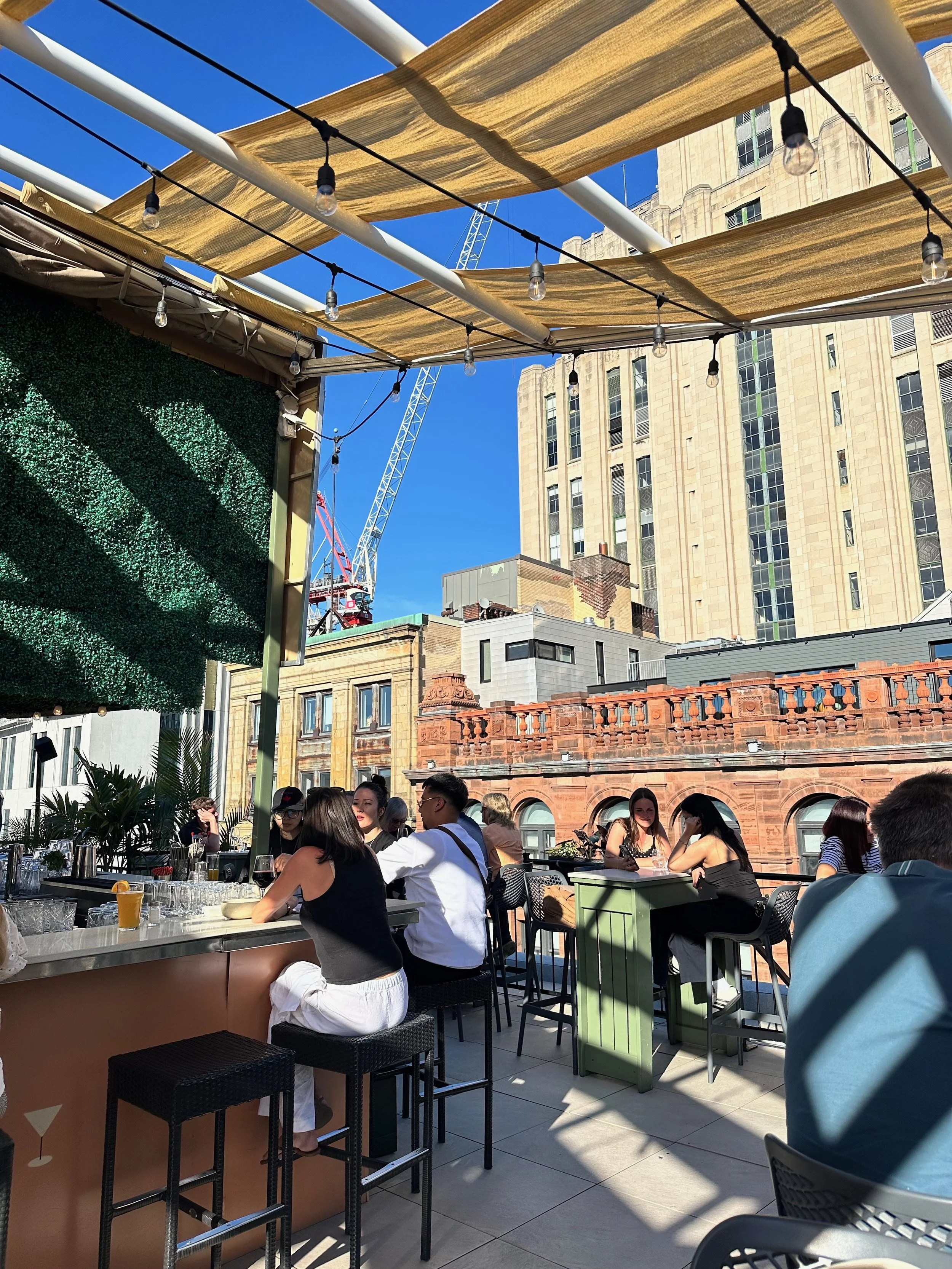
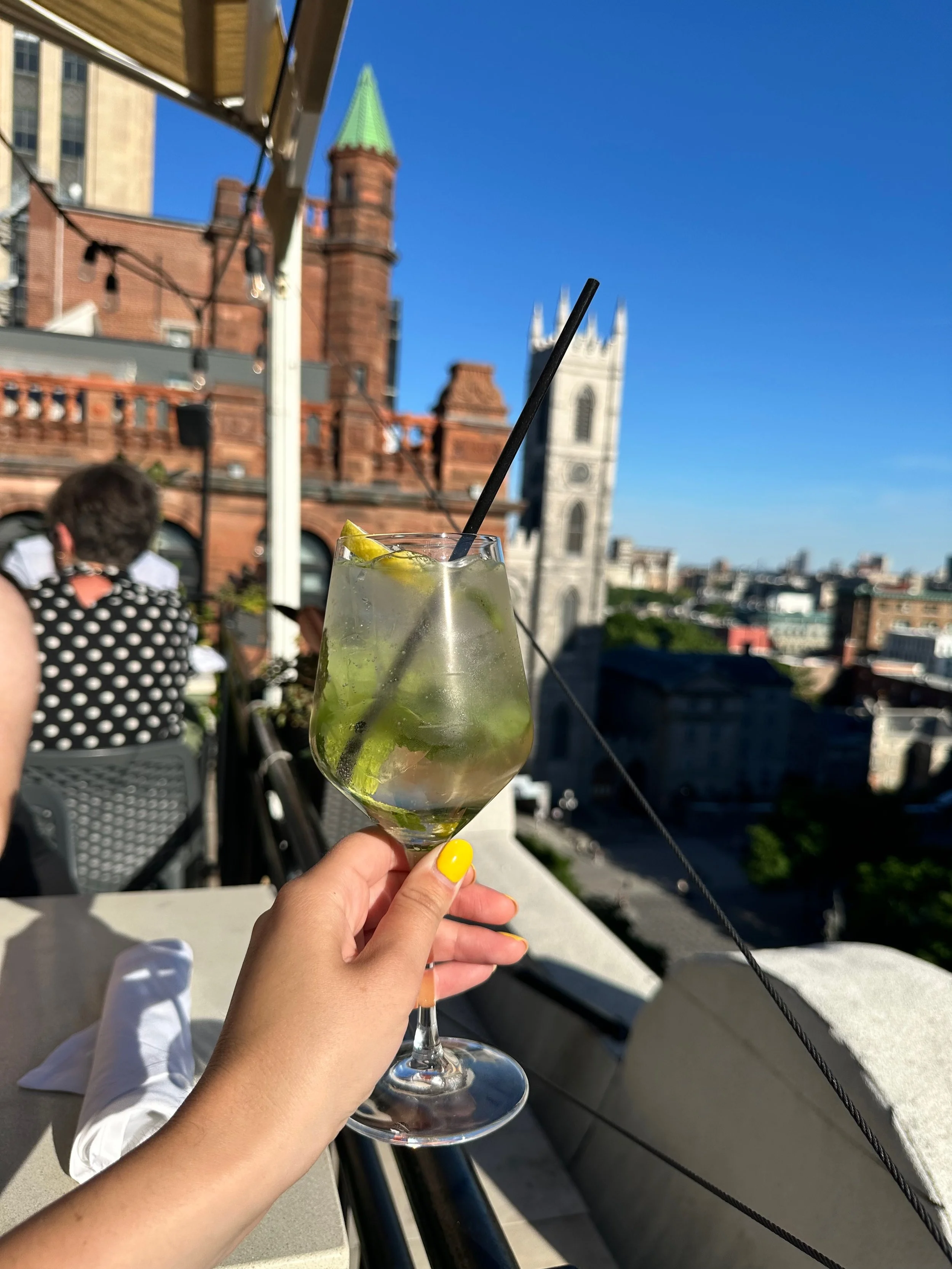
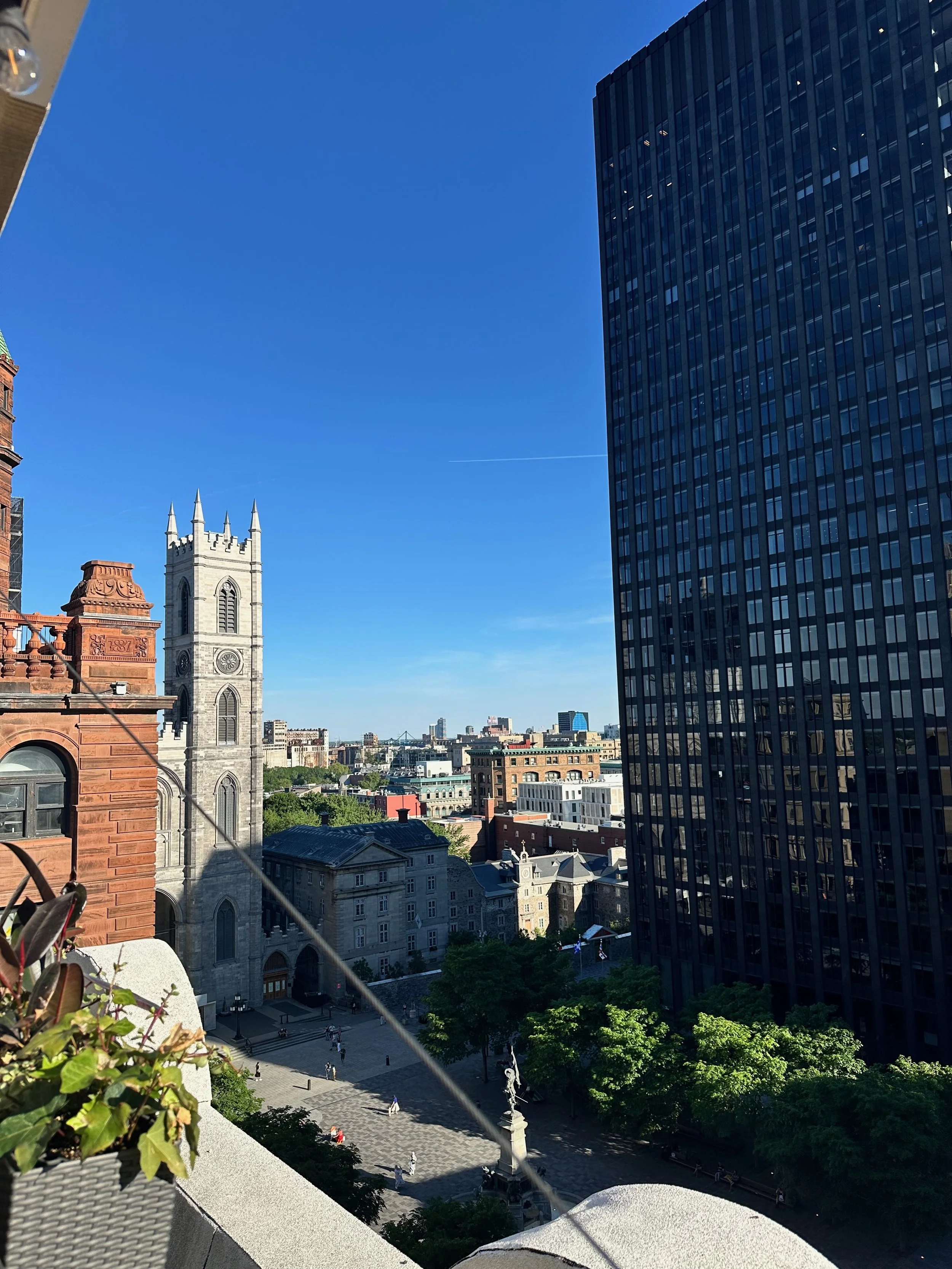
Terrasse Place d’Armes, Old Montréal: A polished rooftop terrace with cocktails, seasonal dishes and impressive views over Place d’Armes, Notre-Dame Basilica and the surrounding historic rooftops. (Tried, tested and loved by us, as shown in the photos above!)
Joie de Livres, Mile End: Montréal’s first bilingual bookstore-café-bar specialising in romance and speculative fiction, with cocktails and regular literary events.
Muze, Downtown: A Mediterranean-inspired lounge and terrace on the fifth floor of HONEYROSE Hotel, overlooking the Quartier des spectacles.
Bowie, Old Montréal: A glamorous underground speakeasy serving creative cocktails and Asian-inspired dishes in an intimate setting.
Terrasse Nelligan, Old Montréal: A stylish rooftop terrace known for cocktails, seasonal food and views across the Old Port.
Terrasse Alizé, Downtown: A lively seasonal rooftop terrace serving cocktails and Mediterranean-inspired food.
Nacarat Bar, Downtown: An elegant cocktail bar inside Fairmont The Queen Elizabeth, known for inventive drinks, live music and a glamorous atmosphere.
Terrasse St-Ambroise, Saint-Henri: A relaxed canal-side beer garden serving locally brewed beers, casual food and plenty of outdoor seating.
Pub Le Sainte-Élisabeth, Downtown: A welcoming pub best known for its hidden courtyard, where the walls are covered in thick green ivy.
Siboire Saint-Laurent, Plateau-Mont-Royal: A lively brewpub serving Québec craft beers alongside casual dishes in a relaxed setting.
Coffee Houses
For the coffee lovers among us, here’s the list for you…
Cafe Olympico(Mile End, Old Port and Downtown)
Diff (Downtown)
Melk(Downtown)
Café Cosè (Little Burgundy)
Cafè BRUT (Griffintown)
September Surf (Little Burgundy)
Café Alphabet (Mile End)
Maison Savage Café(Mile End)
Where to Stay in Montréal
For a City Girl-style stay, choose a neighbourhood that keeps food, culture and public transport close by. We found staying in Downtown to be especially convenient for a first visit, but Old Montréal, the Plateau and Mile End could offer a more distinctive local atmosphere.
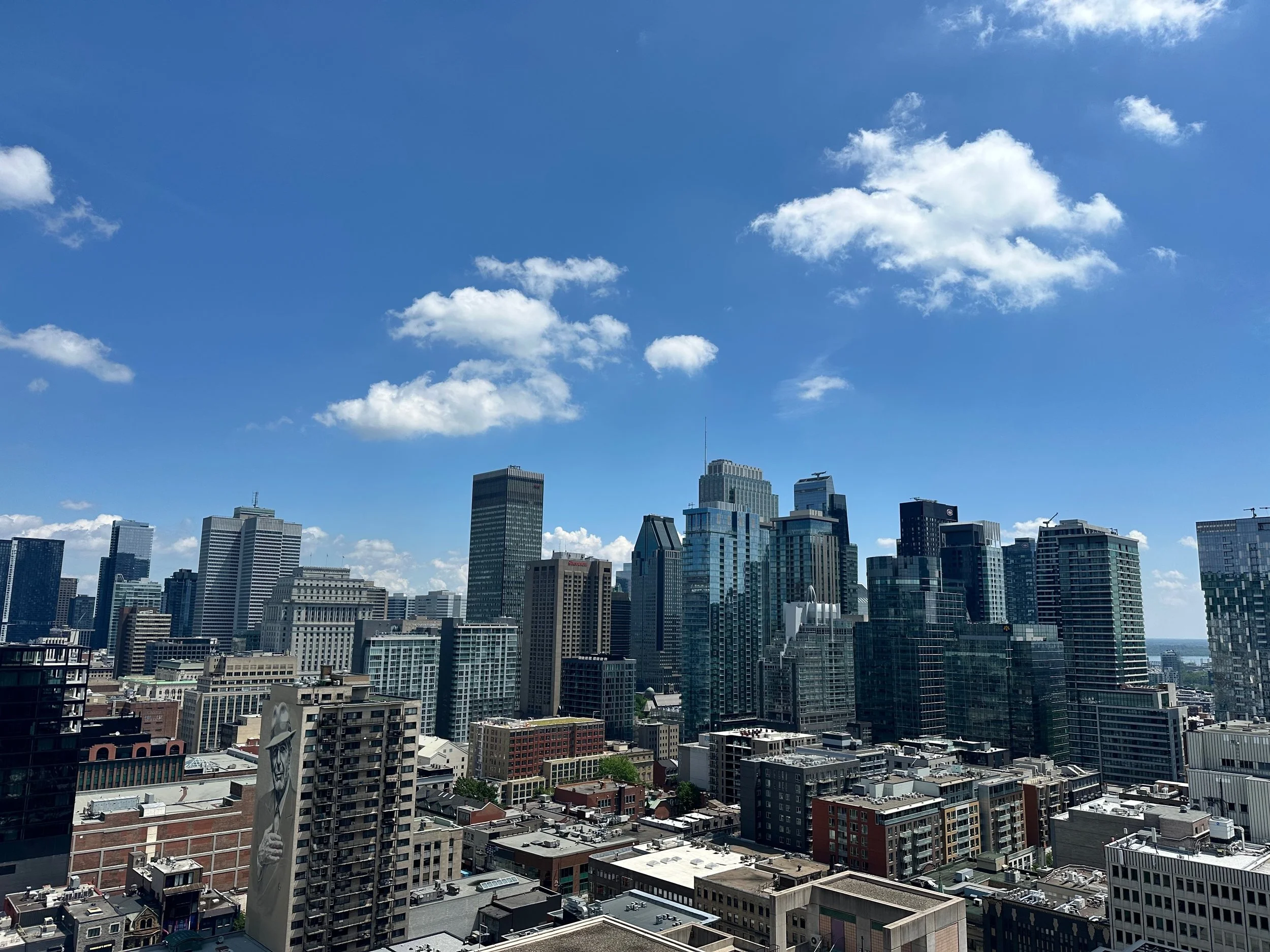
The view from Hotel Monroe
Hôtel Bonaventure Montréal
We stayed at Hôtel Bonaventure Montréal, directly opposite Central Station and close to downtown attractions. Its location made arriving by VIA Rail straightforward and gave us an easy base for reaching the Old Port, museums and surrounding neighbourhoods.
The hotel’s rooftop level is a major part of the experience, with landscaped gardens and a heated outdoor pool. Being above the surrounding streets creates a surprising sense of calm in the centre of the city.
Hotel Monroe
For our final two nights, we stayed at Hotel Monroe and were blown away by the view of Downtown from the rooftop. It’s an apart-hotel made up of studios with floor-to-ceiling glass windows and modern decor. It also has an outdoor seasonal rooftop pool and is really reasonably priced. Another hotel that we’d highly recommend.
When to Visit Montréal
Montréal is a true four-season destination, with each part of the year changing how the city feels and how you explore it.
Spring: Spring brings longer days, the return of terraces and a growing programme of outdoor events, although temperatures can still change quickly.
Summer: Summer is festival season, with outdoor dining, public art, markets and neighbourhood events filling the city. We visited in June, when Montréal felt especially lively.
Autumn: Autumn suits travellers who enjoy cooler walking weather, changing leaves on Mount Royal and a slightly calmer pace after the busiest summer months.
Winter: Winter gives Montréal a completely different character. Plan around museums, restaurants, the Underground City and seasonal events, and pack properly for very cold weather.
Practical Transport Tips for Montréal
Montréal is straightforward to explore without a car. The STM network combines the Métro and buses, while many of the most enjoyable neighbourhoods are best experienced on foot.
Use the Métro for longer journeys: The network is simple to understand and connects downtown with areas including the Plateau, Little Italy and the Village.
Consider a multi-day STM pass: A day or three-day pass can be good value when you plan to use public transport several times across your stay.
Walk within neighbourhoods: Once you arrive in an area, exploring on foot is usually the best way to find cafés, murals, boutiques and side streets.
Plan days geographically: Group nearby areas together, such as Jean-Talon Market with Little Italy or Old Montréal with the Old Port.
Use taxis for Mount Royal or late evenings: Taxis and rideshares are useful when the route is steep, public transport is less direct or you are returning late.
Try cycling in warmer months: Bike routes along the Lachine Canal and through central neighbourhoods offer another way to see the city at a slower pace.
Allow time for airport transfers: Montréal-Trudeau International Airport is outside the centre, so check traffic and public transport options before setting off.
Check seasonal service changes: Festivals, road closures, construction and winter weather can affect routes, so use live journey information.
How to Get to Montréal from the UK
Air Transat flies non-stop between London Gatwick and Montréal seasonally, with connections year-round via Toronto from London Gatwick, Manchester and Glasgow, making the city suitable as either the start or end of a Canada itinerary. We used an open-jaw route, flying into Toronto and home from Montréal so we could continue east without retracing the journey.
Continuing to Montréal with VIA Rail
Montréal connects easily with Toronto and Ottawa by rail. We arrived from Ottawa with VIA Rail at Montréal Central Station, which made the transfer into the city simple and avoided the need for another internal flight.
How Long Should You Spend in Montréal?
Three days will give you a strong first taste of Montréal, but it is easy to leave with a growing list of places you wish you had time to visit. The city feels best at a slower pace, with space for a neighbourhood breakfast, an unplanned walk, a market visit and a long dinner.
Some of our favourite moments came from simply wandering around, discovering independent boutiques, hidden courtyards, local bakeries and colourful streets. Montréal rewards curiosity, and the experiences you did not schedule can become the ones you remember most.
Final Thoughts
Montréal makes a brilliant final stop on a Toronto-to-Montréal itinerary because it feels completely different from every destination that comes before it. It also works well as a standalone city break destination. With its French heritage, European-style architecture, distinct culture and exceptional food scene, arriving in Montréal feels like stepping into a different world while still being in Canada. It brings a fresh energy to the end of the trip and leaves a lasting impression.
We flew the six and a half hour trip home with Air Transat to London Gatwick, already missing Montréal the moment the plane took off.
This article was created in partnership with Air Transat, Bonjour Quebec and Tourisme Montréal as part of the City Girl Guide to Canada.